Introduction:
Maurice Gibb: The Quiet Genius Behind the Bee Gees’ Timeless Legacy
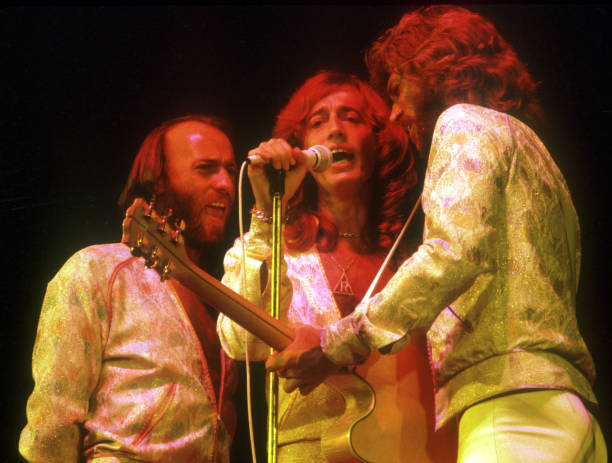
Beneath the shimmering glow of the disco ball that defined an entire generation stood a man whose brilliance rarely sought the spotlight. Maurice Gibb was the heart, the glue, and the often-overlooked architect behind one of the most influential groups in popular music history—the Bee Gees.
While audiences around the world celebrated chart-topping hits, sold-out arenas, and the dazzling success of the disco era, Maurice’s story unfolded in quieter, more complex ways. It was a life shaped by extraordinary creativity, personal struggles, unwavering resilience, and an enduring devotion to family and music.
By his mid-twenties, Maurice had already experienced a lifetime’s worth of triumphs and challenges. International fame arrived early, bringing immense pressure and the responsibility of helping preserve the Gibb family’s musical legacy.
One moment captures his essence perfectly. It is 1977, and the Bee Gees are at the height of their fame. Saturday Night Fever dominates the charts, and millions dance to songs that define a generation. Yet behind the scenes, Maurice sits alone in a hotel room, a glass of scotch in hand, quietly questioning everything. It is a powerful image of a man caught between creativity and chaos, duty and personal longing.

Born on December 22, 1949, in Douglas, Isle of Man, Maurice Ernest Gibb entered the world alongside his twin brother, Robin, and older brother Barry—three siblings destined to reshape modern music. Guided by their father Hugh, a bandleader, and encouraged by their mother Barbara, the family eventually relocated to Brisbane, Australia, where the brothers began performing as the Rattlesnakes before evolving into the Bee Gees.
While Barry naturally emerged as the frontman and Robin captivated audiences with his unmistakable vibrato, Maurice became the band’s musical foundation. A gifted multi-instrumentalist, he mastered bass, keyboards, guitar, and percussion while providing essential vocal harmonies that completed the group’s signature sound.
Deeply fascinated by arrangement and production, Maurice immersed himself in the technical side of recording. His instinctive understanding of sound helped shape classics such as “Massachusetts” and “To Love Somebody,” laying the groundwork for the sophisticated orchestration that defined the Bee Gees’ early success.
As the group evolved, Maurice’s versatility became indispensable. During periods of internal conflict and temporary separations, he explored solo work, releasing “Railroad,” a song that revealed his individuality as a songwriter and performer.
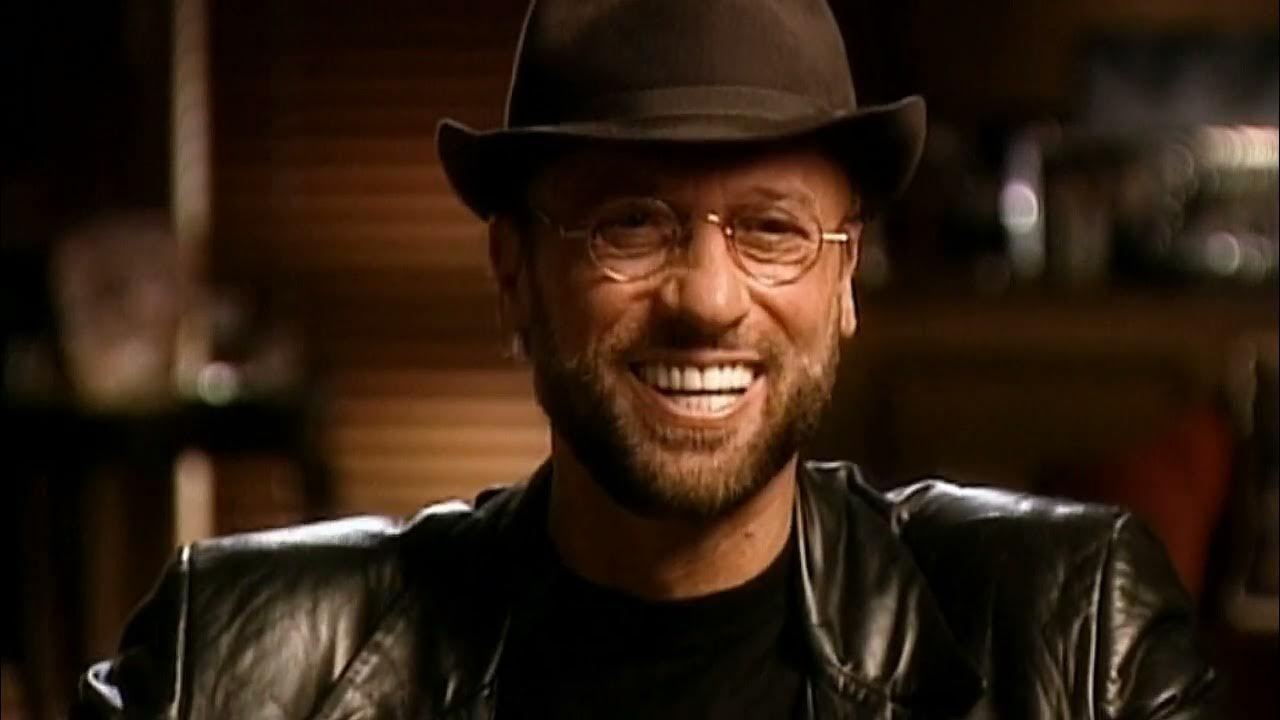
When the Bee Gees reinvented themselves during the 1970s disco explosion, Maurice’s production instincts proved vital. His contributions to songs like “Jive Talkin’” and “You Should Be Dancing” helped fuel one of the greatest comebacks in music history, culminating in the global phenomenon of the Saturday Night Fever soundtrack.
Away from the stage, however, Maurice faced profound personal challenges. His marriage to singer Lulu ended amid his struggles with alcoholism. Stability eventually arrived through his marriage to Yvonne Spenceley, whose steadfast support helped him achieve sobriety and rebuild his life. Together, they created a loving family, and Maurice later became an advocate for addiction recovery and charitable causes.
Though he explored painting, television, film, and philanthropy, music remained his truest language.
When Maurice Gibb passed away on January 12, 2003, the world lost far more than a gifted musician. It lost a quiet force whose balance, creativity, and humanity helped define an era.
His legacy lives on not only through timeless songs such as “How Deep Is Your Love” and “Tragedy,” but through the harmony he brought to music, to family, and to the lives of millions who continue to find meaning in the Bee Gees’ extraordinary catalog.
Sometimes, the people who hold everything together are the ones history remembers most fondly. Maurice Gibb was one of those rare individuals—a quiet genius whose influence will resonate for generations to come.