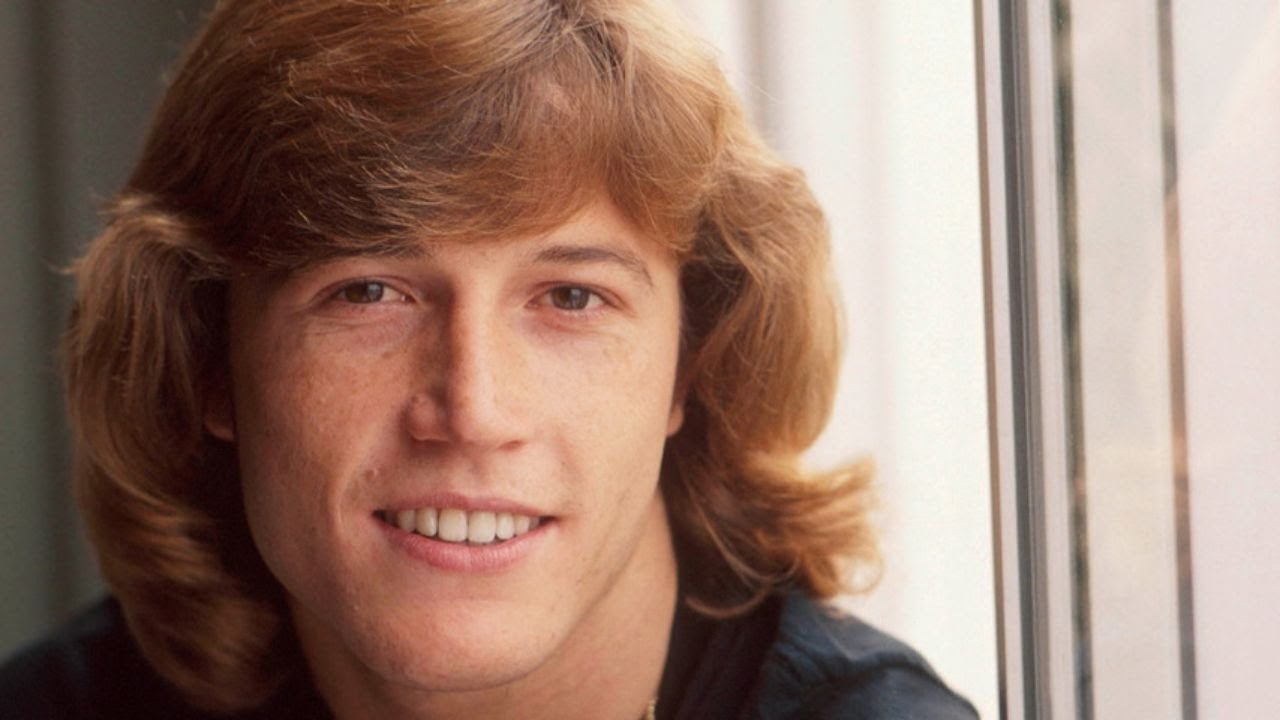
Introduction:
On March 10, 1988, the music world fell silent.
At just 30 years old, Andy Gibb—once celebrated as America’s golden boy of pop disco—passed away far too soon. His death was not marked by a farewell tour or a final curtain call. There was no carefully planned goodbye, only an abrupt silence that left millions wondering how a life filled with so much promise could end so quickly.
Less than a decade earlier, Andy had embodied the spirit of the late 1970s. Young, charismatic, and gifted with a voice that carried both warmth and vulnerability, he became one of the era’s brightest stars almost overnight. Before turning 20, he achieved an extraordinary milestone: his first three singles—“I Just Want to Be Your Everything,” “(Love Is) Thicker Than Water,” and “Shadow Dancing”—all reached No. 1 on the Billboard Hot 100.
It was a record no solo artist had achieved before.
Yet behind the magazine covers and television appearances was a young man struggling to define himself. Born into one of music’s most successful families, Andy grew up surrounded by recording studios, touring schedules, and the immense legacy of his older brothers, the Bee Gees. Music was woven into every part of his childhood, but so was expectation.
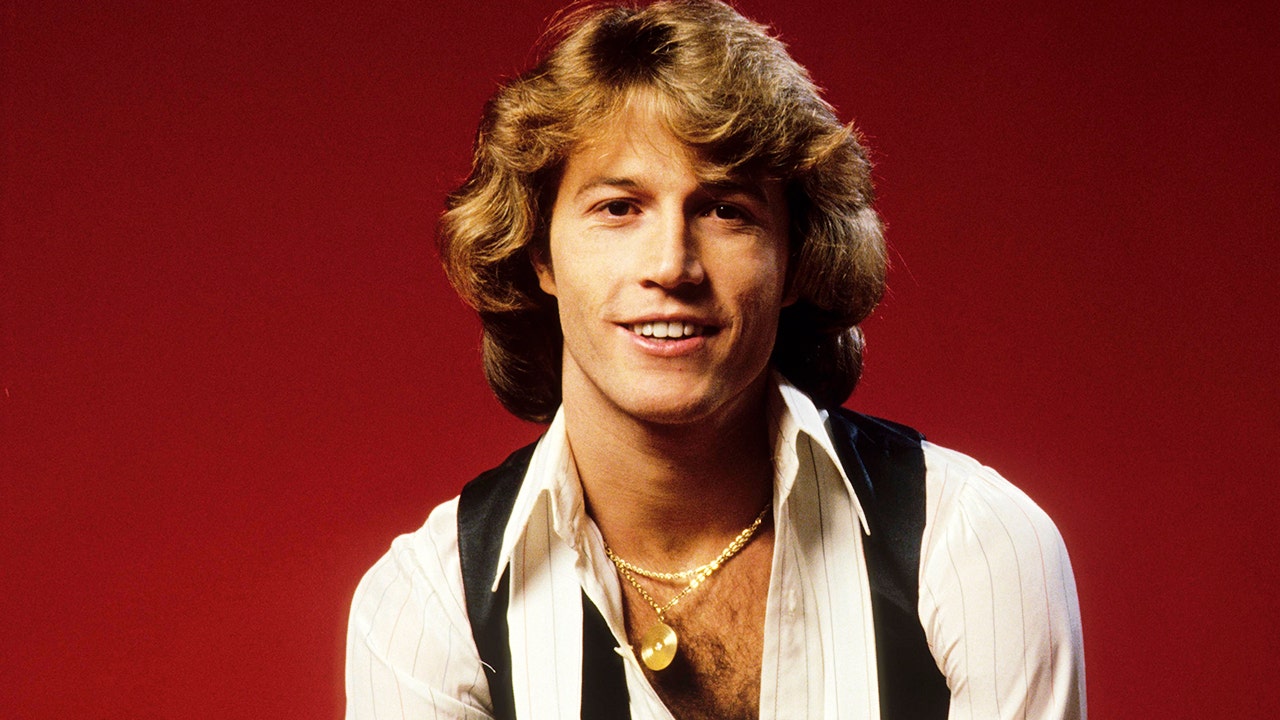
From an early age, Andy was admired not only for who he was, but for the famous surname he carried.
His brothers, especially Barry Gibb, encouraged his talent and opened doors that many aspiring artists could only dream of entering. Their support provided opportunity and protection, but it also created an invisible standard that Andy spent much of his life trying to reach.
Success arrived so quickly that he barely had time to discover who he was beyond the spotlight.
While audiences embraced him as the handsome “Prince of Pop,” Andy longed to be recognized as an artist in his own right. He wrote songs, explored his own ideas, and searched for a creative identity beyond the formulas that had made him famous. But the music industry moved fast, and there was little room for experimentation when hit records were expected.
As disco began to fade at the dawn of the 1980s, the industry shifted. Public taste changed, and the sound that had once made Andy a superstar suddenly belonged to a fading era. He continued to work tirelessly—recording music, hosting television shows, and performing live—but maintaining success required more energy than ever before.
The lights remained on, yet the pressure behind them grew heavier.

Away from the stage, Andy searched for moments of normalcy through family life, songwriting, and even flight lessons. He was not trying to escape fame; he was trying to find a version of himself that existed beyond it.
Sadly, time was not on his side.
Today, Andy Gibb is remembered for more than his chart-topping hits. His story stands as a poignant reminder of the hidden cost of early fame and the emotional weight that often accompanies extraordinary success.
His voice still carries the unmistakable emotion of an era—clear, heartfelt, and unguarded.
Some artists leave behind legends built on controversy or reinvention. Andy left something quieter but equally powerful: a collection of songs that continue to move listeners decades later and a story that reminds us that talent alone cannot protect a person from the pressures of living too fast.
Some voices fade because the world stops listening.
Others fade because the world asks too much, too soon.
Andy Gibb remains one of the most heartbreaking examples of the difference.