Introduction:
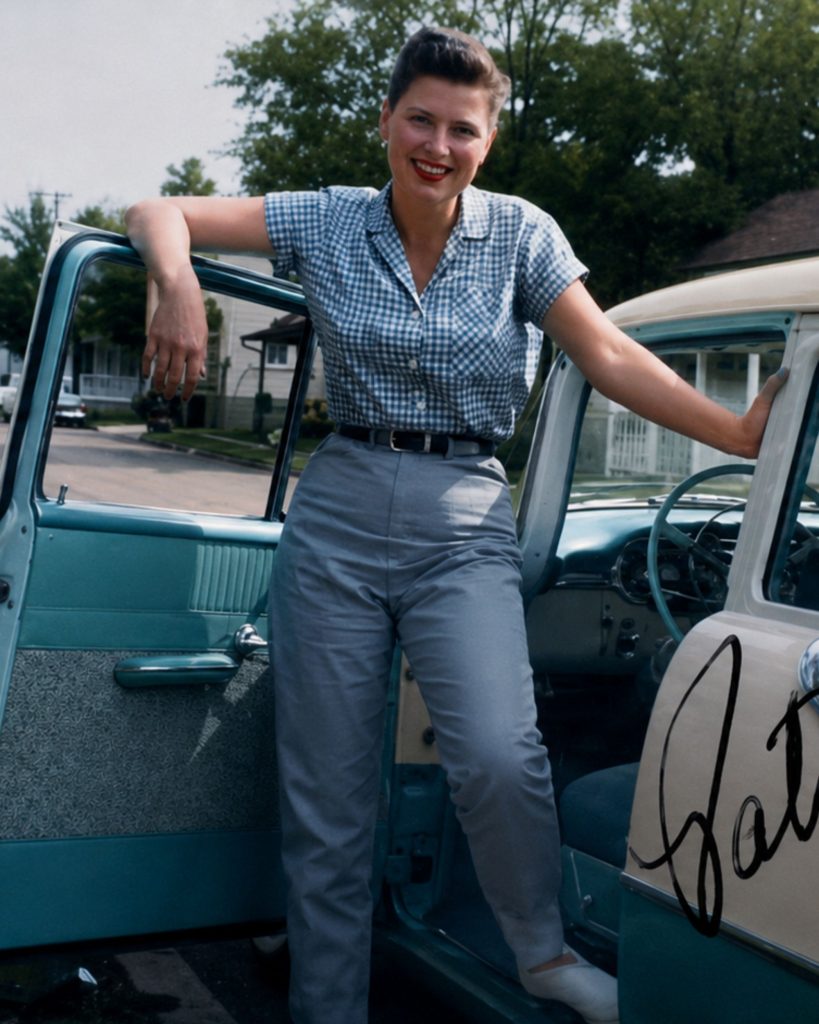
There are moments in music history when a song becomes far more than a recording. It becomes a testament to resilience, courage, and the remarkable strength of the artist behind the microphone. For Patsy Cline, that moment arrived in the summer of 1961, when she recorded what would become one of the most beloved country songs of all time—“Crazy.” What many listeners may not realize is that she sang it while still recovering from one of the most devastating accidents of her life.
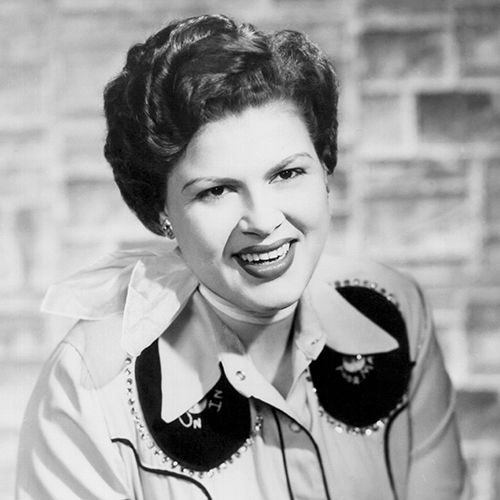
By 1961, Patsy Cline had already experienced both the excitement of success and the disappointment of uncertainty. Her breakthrough hit, “Walkin’ After Midnight,” had made her a household name in 1957, but the years that followed were far from easy. She balanced club performances, radio appearances, financial pressures, and raising two young children, all while wondering whether Nashville believed she had already reached the peak of her career.
Then everything began to change. “I Fall to Pieces” started climbing the country charts, signaling the comeback she had worked so hard to achieve. At just twenty-eight years old, Patsy finally seemed to be stepping into the career she had always dreamed of.
But fate had other plans.
On June 14, 1961, while returning home from buying fabric with her brother, Sam Hensley, their car was struck head-on after another vehicle crossed into their lane. The impact was catastrophic. Patsy was thrown through the windshield, suffering a fractured hip, broken ribs, a severely injured wrist, and a deep cut across her forehead that left a permanent scar. She spent nearly a month in the hospital, facing a painful recovery that left many wondering whether she would ever perform the same way again.
Ironically, while Patsy fought simply to stand without pain, “I Fall to Pieces” continued its remarkable climb. By August, it had reached No. 1, making her the voice country radio could no longer overlook. Yet behind that success was a woman still walking with crutches, carrying both visible and invisible reminders of the accident that had nearly taken her life.
Only weeks later, Patsy walked into Bradley Studio to record a song written by a then-rising songwriter named Willie Nelson.
That song was “Crazy.”
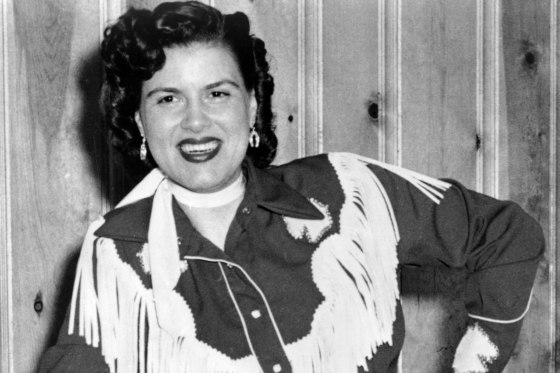
The session did not unfold easily. Still recovering from her injuries, Patsy struggled to reach the higher notes producer Owen Bradley originally envisioned. Rather than forcing the performance, the recording was paused. She returned home, lived with the song, and discovered a different approach.
When she came back to the studio, something extraordinary happened.
Instead of singing with power alone, she sang with vulnerability. Her voice carried a quiet ache that could not be manufactured. It sounded less like a polished performance and more like the honest confession of someone learning to live with heartbreak and healing at the same time.
That emotional authenticity became the soul of “Crazy.”
The recording crossed over to pop audiences, became one of the defining songs of Patsy Cline’s legendary career, and helped establish Willie Nelson as one of America’s greatest songwriters. Decades later, it remains a benchmark for vocal expression, covered by countless artists but never truly duplicated.
Perhaps the most remarkable part of this story is not simply that Patsy Cline recorded one of country music’s greatest classics.
It is when she recorded it.
She stood before the microphone with broken ribs, a healing body, crutches nearby, and a scar across her forehead that would remain for the rest of her life. She did not wait until the pain had disappeared. She transformed that pain into timeless music.
Every note of “Crazy” reminds us that some of history’s greatest performances are born not after life’s hardest battles have ended, but while they are still being fought. Patsy Cline didn’t hide her wounds—she sang through them, and in doing so, created a masterpiece that continues to touch hearts more than six decades later.