Introduction:
At 79, He Could Barely Breathe — But Merle Haggard Refused to Walk Away
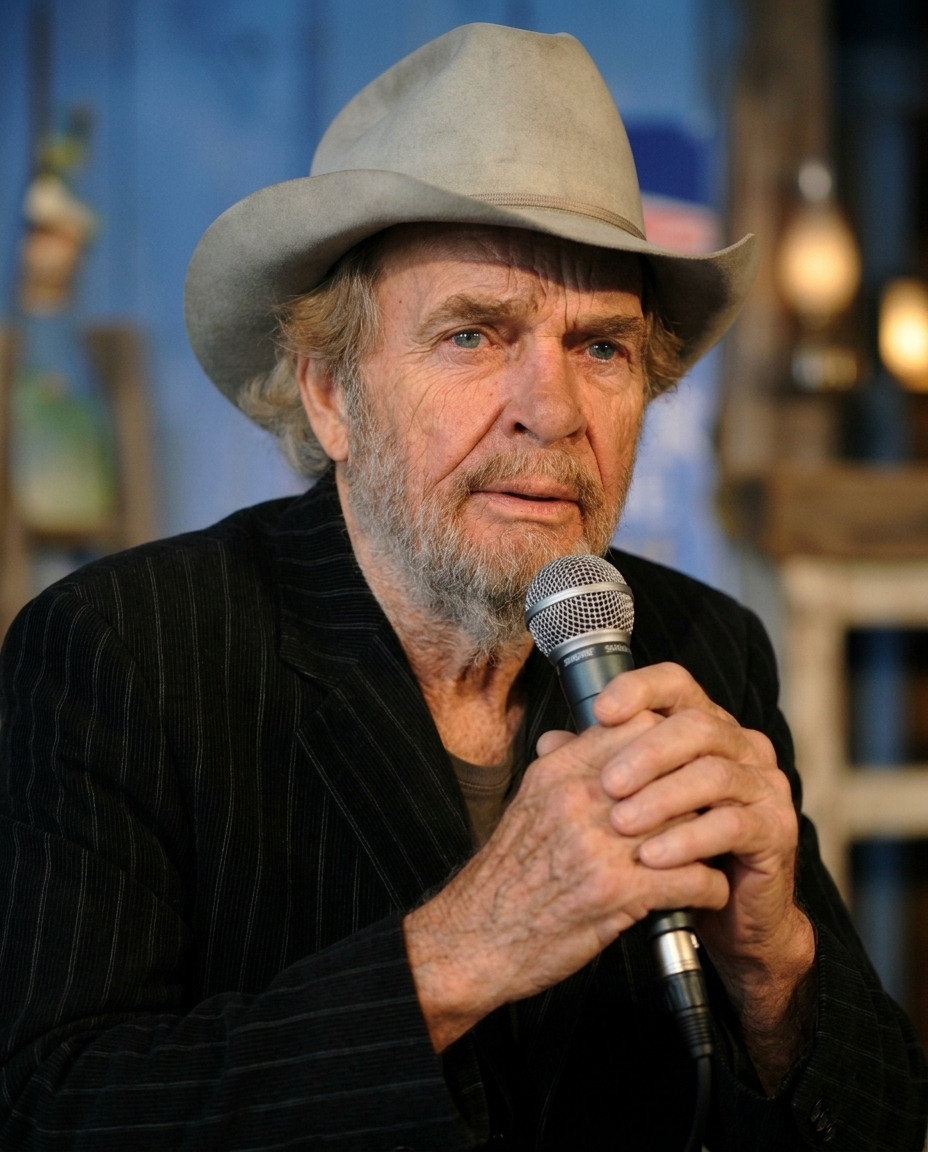
By the spring of 2016, time was no longer something Merle Haggard could outrun.
The years had crept up on him quietly, then all at once. Double pneumonia had taken hold of his lungs, turning each breath into a visible effort. Doctors urged him to stop—to cancel the shows, to rest, to accept what his body was telling him. But for a man whose life had been built on resilience, stopping was never a simple choice.
Because long before the stages, the awards, and the legacy, Merle Haggard had been a young man in San Quentin State Prison—forgotten, written off, and headed nowhere. At 20, his future seemed sealed by bad decisions and failed escapes.
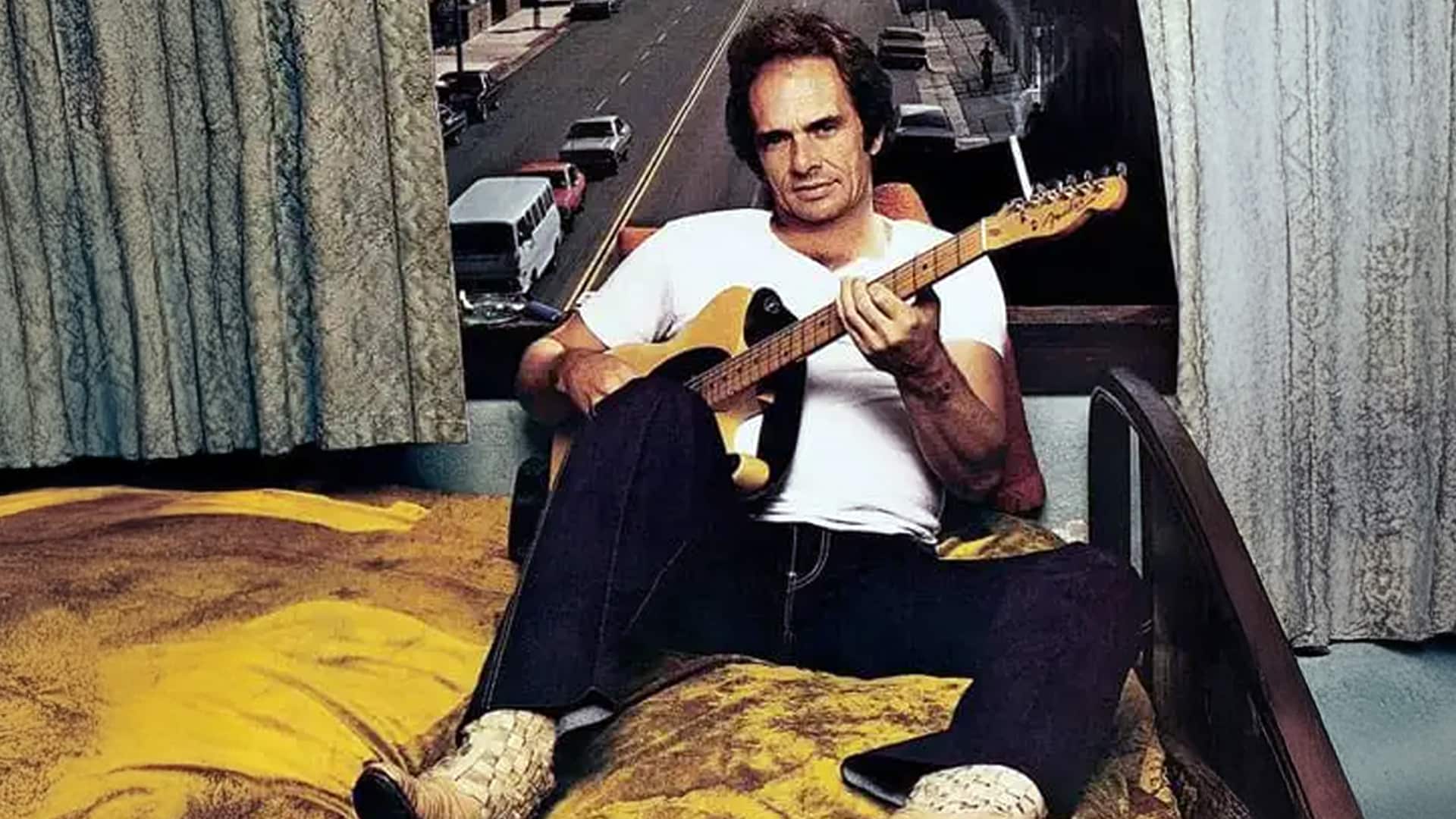
Then, in 1958, everything changed.
When Johnny Cash performed for the inmates, something shifted. Watching him stand in that prison yard, Haggard saw a possibility he had never allowed himself to imagine—a different life. A second chance.
He carried that moment with him when he walked out of prison. And over the next five decades, he transformed it into one of the most authentic and enduring careers country music had ever known. His songs weren’t polished illusions—they were lived experiences. Stories of regret, redemption, pride, and survival. In time, Merle Haggard would earn 38 number-one hits, each one echoing the hard truths of a life fully lived.
But in early 2016, even legends face limits.
The Night in Las Vegas
In February, Haggard arrived in Las Vegas for a show many believed he shouldn’t perform. Backstage, the signs were impossible to ignore—he was frail, pale, struggling even to speak without coughing. The short walk to the stage left him breathless.
Still, when the lights came up, he walked out.
For eight songs, he fought through it—leaning on the microphone stand, pausing between lines, drawing strength from a silent, reverent audience willing him forward. Then, his body gave out.
He stepped back. He couldn’t continue.
The room fell into a heavy silence—until Toby Keith walked onto the stage.
He hadn’t planned to. He didn’t need to. He simply understood. Haggard was devastated—not for himself, but for his band. For the men who depended on those shows, who had stood beside him through years of highways and hard miles.

So Toby Keith finished the performance, quietly stepping in where a legend could no longer go. It wasn’t about spotlight or applause—it was about respect. One artist carrying another across the finish line.
And to Haggard, that meant everything.
One More Show in Oakland

Most assumed Las Vegas would be his final chapter.
It wasn’t.
One week later, Merle Haggard returned to the stage in Oakland. A chair waited under the lights. Beside him stood his son, Ben Haggard, guitar in hand.
The atmosphere was different—quieter, more fragile. The audience understood they were witnessing something fleeting.
Before the music began, Haggard spoke softly:
“I can’t leave this owing you boys.”
It wasn’t pride. It was loyalty.
He sat down, lifted his violin, and began to sing “If I Could Only Fly.” His voice was thinner now, worn by time and illness—but it carried a deeper weight. This wasn’t just a performance. It was a man trying to settle every debt, to honor every mile, every memory, every person who had stood beside him.
Six days later, on April 6, 2016, Merle Haggard passed away on his 79th birthday.
But those who were in that Oakland room didn’t remember a man fading.
They remembered a man who stayed.
A man who, even when he could barely breathe, refused to walk away before the job was done.