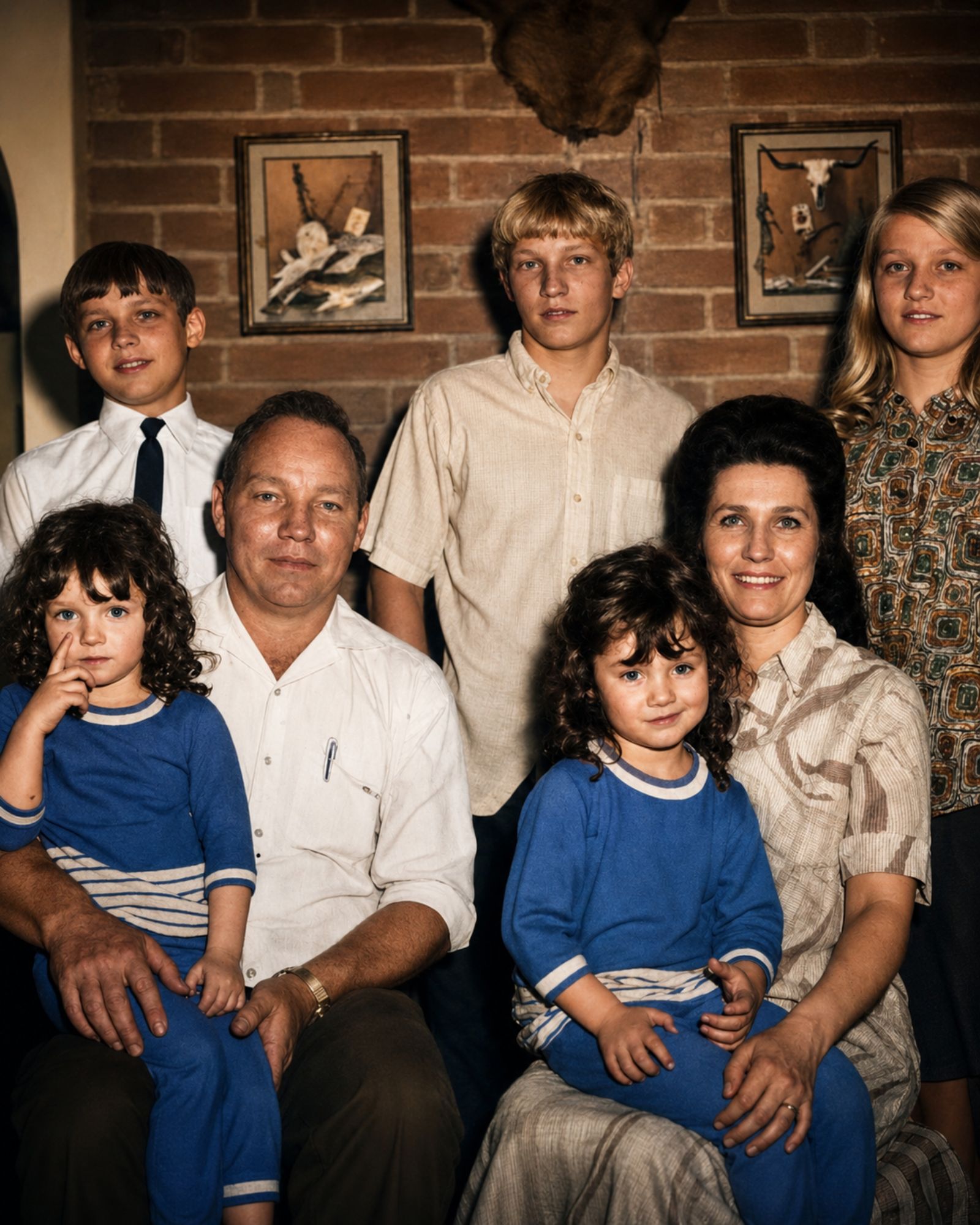
Introduction:
Everyone in Nashville Had an Opinion About Doolittle Lynn. Loretta Lived with the Part They Could Never See.
In Nashville, stories travel fast. A single rumor, a heated argument, or a drunken mistake can become a permanent label in the eyes of the public. Few people understood that reality better than Doolittle “Doo” Lynn, the husband of country music legend Loretta Lynn. To many outsiders, he was remembered as the hard-drinking, rough-edged man behind one of country music’s greatest stars. But Loretta Lynn knew a version of him that the world never truly saw.
Long before the awards, sold-out concerts, and Hall of Fame honors, Loretta was a young woman from rural Kentucky with a remarkable voice and a dream she had not yet fully embraced. It was Doo who recognized that dream first. While others saw only a wife and mother struggling to make ends meet, he saw potential. More importantly, he acted on it.
Doo bought Loretta her first guitar and encouraged her to sing. He drove her to radio stations, local performances, and small venues at a time when success seemed impossibly far away. Their early years were not glamorous. They were filled with financial hardship, uncertainty, and long days of simply trying to survive. Yet through those difficult beginnings, Doo believed that Loretta’s voice could take her somewhere extraordinary.

That belief helped launch a career that would eventually change country music forever.
But their story was never a simple tale of devotion and support. Loretta never pretended otherwise. Throughout her life, she spoke openly about the painful realities of her marriage. Doo struggled with alcohol. Their relationship was marked by fierce arguments, emotional wounds, and moments of deep hurt. The marriage that helped build a star also became the source of some of her greatest pain.
Rather than hide those experiences, Loretta transformed them into music.
Songs such as “Don’t Come Home A-Drinkin’,” “Fist City,” and “You Ain’t Woman Enough” were more than chart-topping hits. They were reflections of real-life struggles, delivered with a level of honesty that was rare for women in country music at the time. Through her songs, Loretta gave a voice to countless women whose experiences had long been ignored or dismissed.
Her famous remark, “He never hit me one time that I didn’t hit him back twice,” was not an attempt to romanticize hardship. It was a glimpse into a complicated reality—a marriage defined by both love and conflict, loyalty and resentment, tenderness and pain.
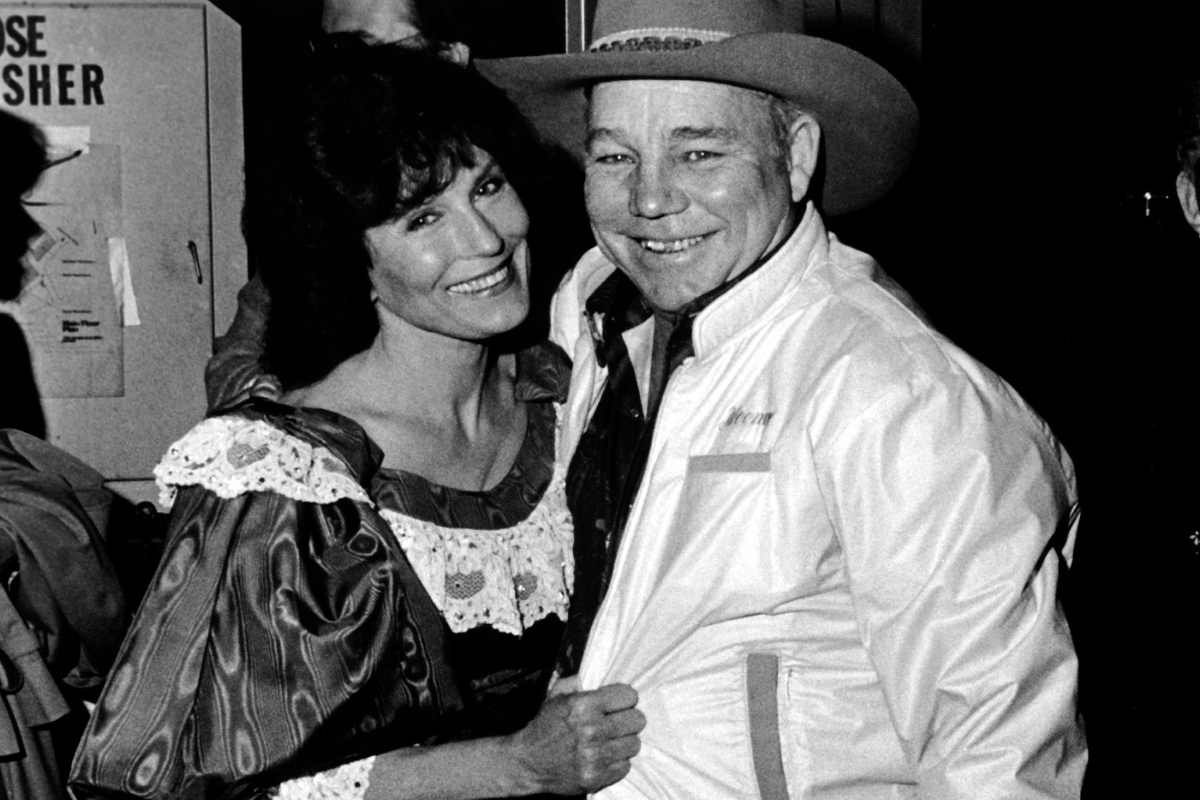
Loretta and Doo remained married for 48 years and raised six children together. Their relationship defied easy labels. It was neither a fairy tale nor a complete tragedy. It was a deeply human story, filled with contradictions that cannot be reduced to simple judgments.
That complexity is precisely why their story continues to resonate today.
Many people want heroes and villains, clear answers and simple conclusions. Real life rarely offers such certainty. Doolittle Lynn played a crucial role in Loretta’s rise to stardom, and he also left scars that found their way into her music. Both truths exist side by side.
Perhaps that is the lasting lesson of Loretta Lynn’s life. Her greatness was not born from a perfect story but from her willingness to face an imperfect one. She took heartbreak, resilience, and hard-earned wisdom and turned them into songs that spoke to generations.
Everyone in Nashville had an opinion about Doolittle Lynn. But only Loretta lived the reality. And somewhere between the public judgment and the private truth lies the story that shaped one of the most powerful voices country music has ever known.