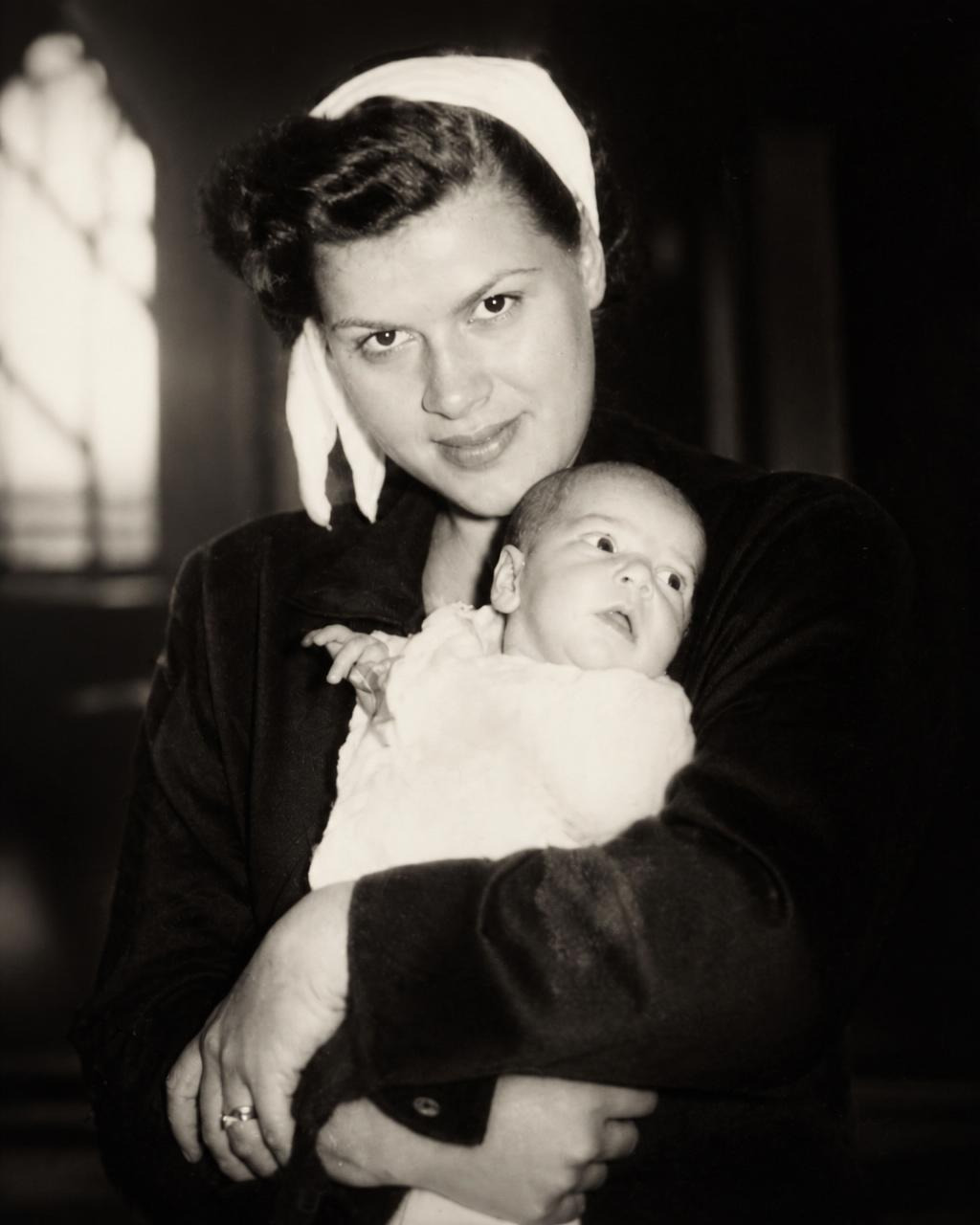
Introduction:
The Grammys Never Said Patsy Cline’s Name While She Was Alive — And That Silence Still Echoes Today
History has a way of exposing the limits of recognition.
Few stories illustrate that truth more clearly than the remarkable—and heartbreaking—legacy of Patsy Cline. Today, she is widely regarded as one of the most influential voices in country music history. Yet during her lifetime, the Grammy Awards never nominated her even once.
Not a single nomination.
The silence feels even more astonishing when viewed through the lens of her extraordinary achievements between 1961 and 1963. During that brief period, Cline recorded timeless classics including “I Fall to Pieces,” “Crazy,” and “She’s Got You”—songs that would transcend genre boundaries and help redefine American popular music.
While her voice transformed radio, the industry’s most prestigious awards seemed unable to recognize what was unfolding in real time.
Patsy Cline was far more than a country singer. She was a bridge between worlds.

At a time when musical genres were carefully separated, her recordings crossed effortlessly from country stations to mainstream pop audiences. Her emotional delivery, rich tone, and unmistakable authenticity connected with listeners from every background.
She proved that a woman from Winchester, Virginia could captivate an entire nation simply by singing the truth.
But the Recording Academy was still young, and its understanding of country music remained limited. With only one country category available during much of that era, recognition was scarce. Even so, Cline’s absence from the nominations remains difficult to explain.
She was not merely successful—she was reshaping the sound of popular music.
Some artists are celebrated immediately. Others are fully understood only after they are gone. Patsy Cline, it seems, was both too early and too important for the system around her.
Everything changed on March 5, 1963.
Returning home from a benefit performance, Cline boarded a small plane piloted by Randy Hughes. After stopping in Dyersburg, Tennessee, to refuel, the aircraft took off despite poor weather conditions and warnings about limited visibility.
Just twenty-two minutes later, the plane crashed in the woods outside Camden, Tennessee.
Patsy Cline was only 30 years old.
The news devastated fans and fellow musicians alike. In just a few short years, she had created a body of work that felt far greater than the time she had been given.
Yet her story did not end there.
In 1967, the release of Her Greatest Hits introduced her music to a new generation. The album went on to sell more than 10 million copies, earned Diamond certification, and became one of the longest-charting albums ever released by a female artist.
That remarkable success revealed a painful truth: the world was still catching up to her.
Her music endured because it was never driven by trends. It was timeless—filled with warmth, vulnerability, strength, and an emotional honesty that made every lyric feel deeply personal.
Recognition eventually arrived, but far too late.
In 1973, Patsy Cline became the first solo female artist inducted into the Country Music Hall of Fame. More than two decades later, in 1995, she finally received a Grammy Lifetime Achievement Award—32 years after her death.
By then, the irony was impossible to ignore.
The institution that had overlooked her during her lifetime ultimately had to acknowledge what generations of listeners already knew: her influence was simply too significant to deny.
There is a quiet story often repeated about a conversation Cline had with fellow singer Dottie West at the Kansas City airport on the morning of her final flight. Depending on who tells it, her words sound like a casual remark, a warning, or an eerie moment of intuition.
Whatever the interpretation, the story endures because it reminds us that history is shaped not only by awards and accolades, but by the small, human moments that linger long after the spotlight fades.
Patsy Cline never needed Grammy nominations to validate her greatness.
Her recordings did that on their own.
The real question is not whether the Grammys missed Patsy Cline—they clearly did. The question is whether any awards system can truly recognize artists who change music before the industry has the language to describe what they have created.
Patsy Cline gave the world only a few years of unforgettable songs, but her legacy never faded.
The Grammys gave her silence.
And even now, that silence says far more about the limits of recognition than it ever could about Patsy Cline.