Introduction:
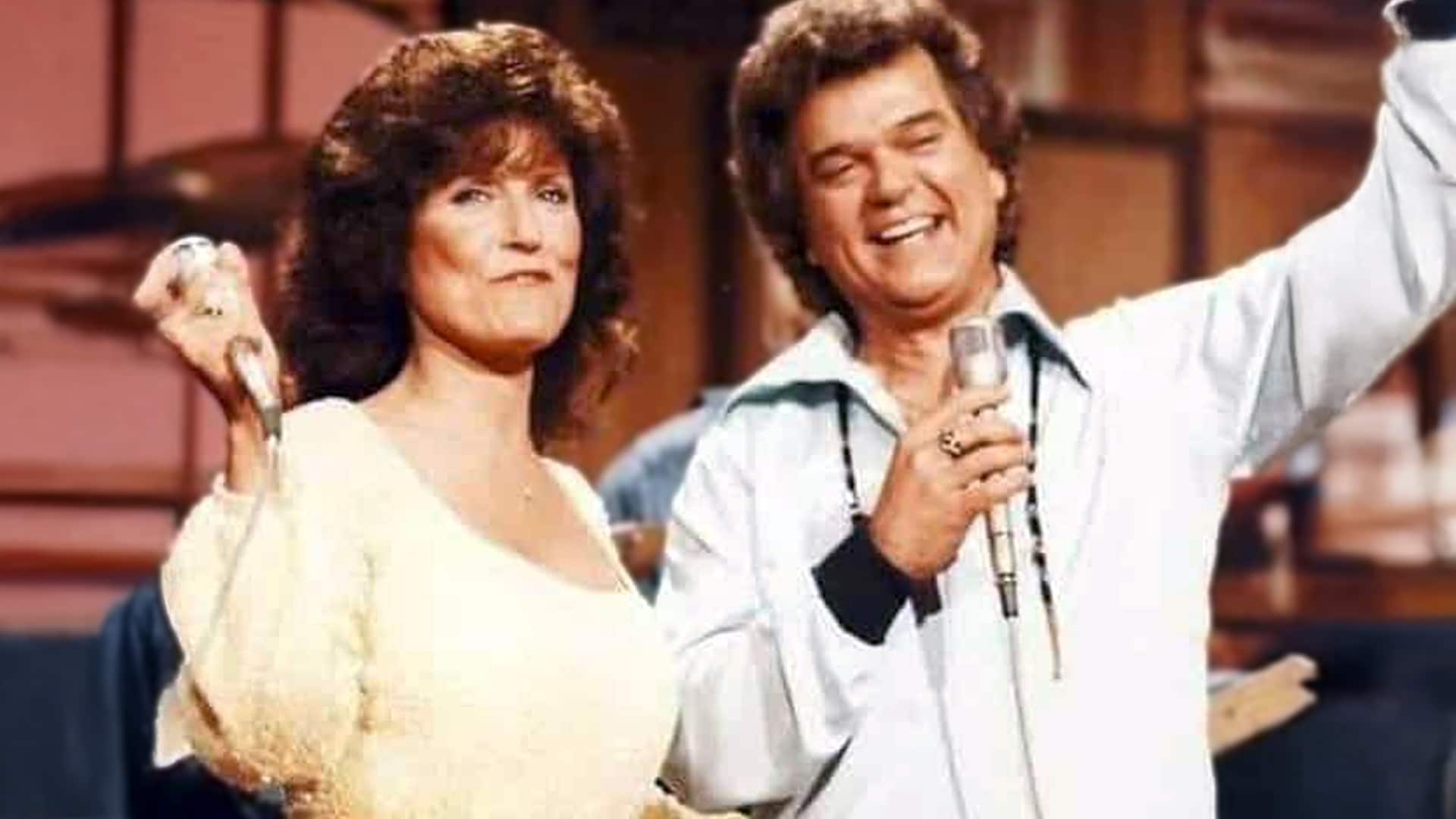
In the golden age of country music, few partnerships captured lightning in a bottle quite like Loretta Lynn and Conway Twitty. On this day in 1973, the iconic duo once again proved their unmatched chemistry by soaring to No. 1 on the Billboard Hot Country Songs chart with their electrifying duet, Louisiana Woman, Mississippi Man.
To understand the significance of this moment is to understand country music itself. Separately, Loretta Lynn and Conway Twitty were already towering figures. Lynn, often hailed as the fearless voice of working-class women, brought grit, honesty, and fire to every lyric she sang. Twitty, on the other hand, was the velvet-toned storyteller whose smooth delivery could shatter hearts in a single line. Yet when they came together, something extraordinary happened—something greater than the sum of their already formidable parts.

Released as the title track of their third collaborative studio album, “Louisiana Woman, Mississippi Man” was more than just another hit—it was a cultural moment. Penned by Becki Bluefield and Jim Owen, the song transformed a simple narrative into a vibrant, unforgettable anthem. Two lovers, divided by the mighty Mississippi River, pledge their devotion in ways that are as bold as they are playful. The Louisiana woman vows to swim across the river if she must, while the Mississippi man promises to wrestle alligators just to be by her side. It’s a concept both whimsical and deeply rooted in the storytelling traditions that define classic country music.
What set the track apart was its unmistakable Cajun flair, infusing the song with a lively rhythm that made it impossible to ignore. At a time when long-distance love songs were far from the norm in Nashville, Lynn and Twitty didn’t just embrace the idea—they elevated it, turning it into chart-topping gold. The song marked their third consecutive No. 1 hit together, solidifying their reign as the king and queen of country duets.
Their journey as a duo had already begun on a high note with After the Fire Is Gone, a Grammy-winning single that introduced the world to their undeniable chemistry. But “Louisiana Woman, Mississippi Man” proved that their success was no fluke. Over the course of their partnership, they would record ten studio albums and achieve five No. 1 hits—an extraordinary feat that few, if any, country pairings have ever matched.
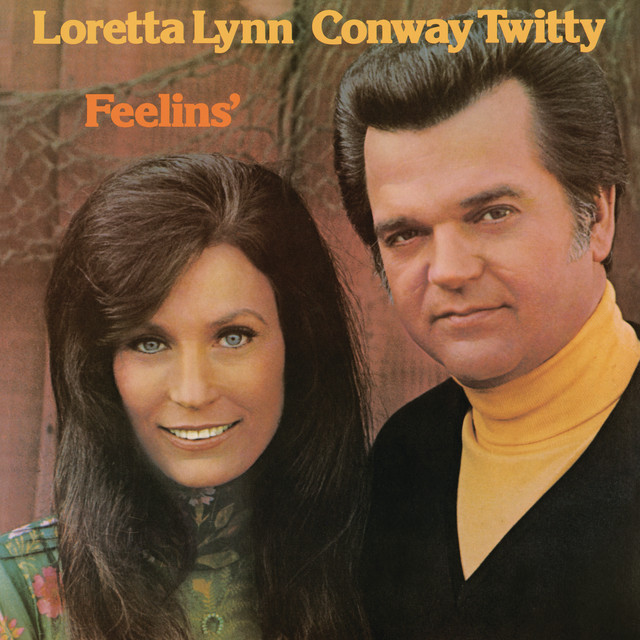
Behind the scenes, the story of this hit adds another layer of charm. Loretta often credited her husband, Doolittle Lynn, for playing a pivotal role in her career. It was he who brought this very song to her and Twitty. With a mix of curiosity and humor, Twitty reportedly quipped, “Oh my God, he’s got a song for us?” But as it turned out, Doo’s instinct was spot-on. The song didn’t just succeed—it soared.
Ultimately, the magic of “Louisiana Woman, Mississippi Man” lies in something that cannot be manufactured: authenticity. Their voices intertwined effortlessly, creating a dynamic that felt real, raw, and irresistibly compelling. It was country music theater at its finest, leaving audiences wondering whether the spark they heard was purely performance—or something more.
More than five decades later, the song endures as one of the greatest duets in country music history. It stands as a testament to an era when storytelling was king, emotions were unfiltered, and songs had the power to make listeners believe every word. Loretta Lynn and Conway Twitty didn’t just sing about love strong enough to cross a river—they made the world feel it. And that’s why their legacy, like this unforgettable song, continues to resonate long after the final note fades.