Introduction:
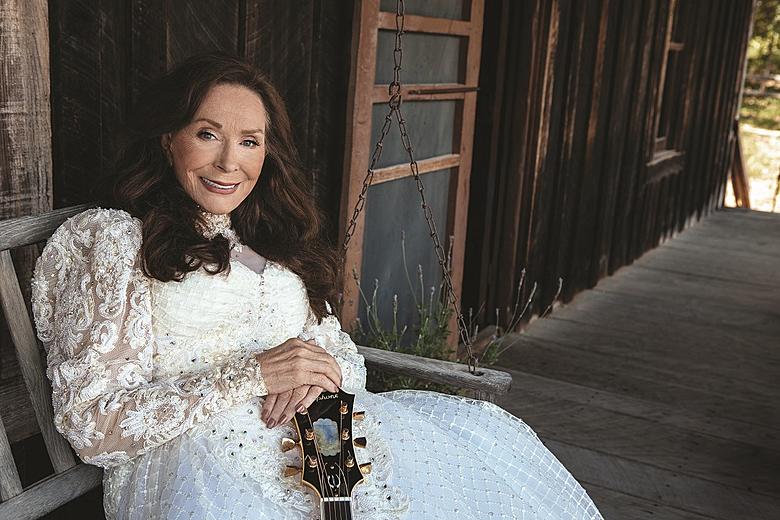
Loretta Lynn: A Life That Proved Strength Isn’t the Absence of Heartache
Some artists become legends because of their success. Others become unforgettable because they allow the world to see both their victories and their deepest wounds. Loretta Lynn was one of those rare people who did both.
In a heartfelt television conversation following the release of her memoir Still Woman Enough, Loretta reflected on the remarkable years that followed Coal Miner’s Daughter—the bestselling autobiography and Academy Award-winning film that introduced her extraordinary journey to millions. Yet as she explained, there was far more to her story than fame and awards.
After the film’s success, life brought challenges no script could have prepared her for.
The devastating loss of her beloved son, Jack Benny Lynn, changed everything. The grief was so overwhelming that she stepped away from recording for nearly a decade. For many performers, such a long absence might have marked the end of a career. For Loretta, however, it became another chapter in a story defined by resilience.

When she finally returned to the stage, something beautiful happened. The audiences had not forgotten her. Fans filled concert halls just as they always had, welcoming her home with warmth and unwavering loyalty. Rather than focusing on record sales or sold-out performances, Loretta spoke most passionately about the people who had stood beside her through every season of her life. She even expressed concern whenever ticket prices became too expensive, saying she wanted her music to remain accessible to the fans she loved so dearly.
The interview also revealed touching stories from the making of Coal Miner’s Daughter. Loretta personally chose Sissy Spacek to portray her on screen, despite never having met the actress. She believed instinct mattered more than endless screen tests, and that faith proved remarkably accurate. She spent countless nights helping Spacek learn not only how to sing like Loretta Lynn but also how to understand the spirit behind every note.
Perhaps the most emotional moments came as Loretta remembered her husband, Oliver “Doolittle” Lynn. Their marriage was far from perfect. She spoke honestly about his struggles with alcohol, the hardships they endured together, and the guilt she carried for years. Yet she never denied the deep bond they shared. Recalling his final days, she described feeding him watermelon and seeing him respond with a gentle expression that has stayed with her forever. It was a memory filled with sorrow, but also with enduring love.
Loss continued to shape her journey. She reflected on saying goodbye to close friends and fellow country legends, including Conway Twitty, Tammy Wynette, and members of her own family. Each passing left another mark on her heart. Yet even through unimaginable grief, Loretta continued to celebrate the people who had enriched her life.

Her admiration for fellow artists remained sincere and generous. She praised George Jones as the very soul of country music, believing few could ever equal his emotional depth. At the same time, she embraced newer performers like Brad Paisley, Martina McBride, Trisha Yearwood, and Garth Brooks, recognizing both their talent and their character.
Throughout the conversation, Loretta’s famous humor never disappeared. Whether laughing about the rumors surrounding her friendship with Conway Twitty or recalling playful moments on stage, she reminded viewers that laughter and heartbreak often exist side by side.
That balance may be the greatest lesson Loretta Lynn left behind. She never pretended life was easy, nor did she allow tragedy to define her completely. Instead, she met every chapter with honesty, courage, humor, and an unshakable devotion to country music and the people who loved it.
Long after the applause fades, those qualities remain at the heart of Loretta Lynn’s extraordinary legacy—one built not only on timeless songs, but on a life lived with remarkable authenticity and unwavering grace.