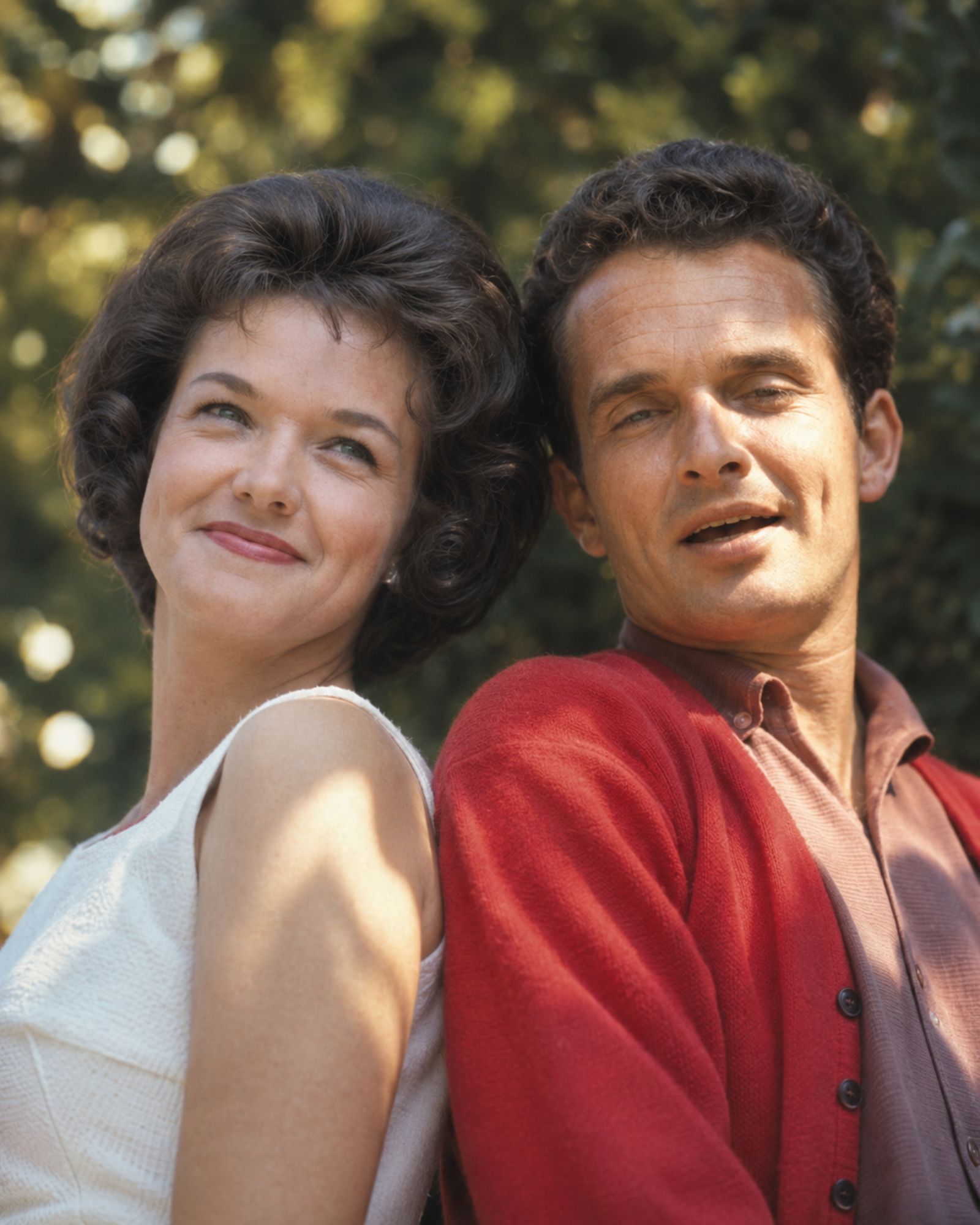
Introduction:
She Was Divorced in 1978—Yet Spent the Next 28 Years Singing Behind the Man Who Left Her
Country music has always thrived on stories of love, loss, and resilience. Yet sometimes the most powerful stories are not found in the lyrics themselves, but in the lives of the people who sing them. Few stories capture that truth more poignantly than that of Bonnie Owens—a woman whose voice helped define the Bakersfield Sound and whose remarkable devotion to music endured long after heartbreak changed her life.
For decades, Bonnie Owens stood at the heart of country music history, though she was rarely given the spotlight she deserved. While many remember her as the wife of country legends Buck Owens and later Merle Haggard, Bonnie’s true legacy runs far deeper. She was an artist, songwriter, performer, and an essential architect of one of country music’s most influential movements.

Before her marriage to Merle Haggard, Bonnie was already making her mark alongside Buck Owens. Together, they became key figures in the rise of the Bakersfield Sound—a raw, electrified alternative to Nashville’s polished productions. Bonnie wasn’t simply standing beside greatness; she was helping create it. Her voice became an integral part of the sound that resonated through dance halls, radio stations, and countless records across America.
When she married Merle Haggard in 1965, music remained at the center of her life. Beyond the stage, she took on another demanding role: helping raise Haggard’s four children from a previous marriage. Night after night, she stood beside him, providing the harmonies that enriched many of his most beloved recordings and performances.
Her contribution extended beyond singing. Bonnie co-wrote “Today I Started Loving You Again,” one of the most celebrated songs in country music history. The song’s aching message of lost love and lingering emotion reflected the kind of emotional honesty that Bonnie understood so well. It remains a timeless classic, touching generations of listeners who recognize its universal truth.
Then came the heartbreak.
In 1978, Bonnie Owens and Merle Haggard divorced. Shortly afterward, Haggard married another woman. For most people, such a chapter would have marked a clean break—both personally and professionally. Few would have expected Bonnie to remain connected to the man she once loved.
But she did.
In a decision that continues to astonish fans and historians alike, Bonnie Owens remained Merle Haggard’s backup singer for the next 28 years.

She no longer stood beside him as his wife, but she continued to stand beside him as a musician. Through changing times, changing audiences, and changing personal circumstances, Bonnie kept showing up. She never remarried. She never abandoned the music. Instead, she continued lending her unmistakable harmonies to the performances that helped cement Haggard’s legacy.
Whether motivated by loyalty, professionalism, love for the music, or perhaps a combination of all three, Bonnie’s choice revealed extraordinary strength. She refused to let personal pain define her purpose.
When Bonnie Owens passed away in 2006, she left behind a legacy that often remains overshadowed by the larger-than-life men whose careers she helped build. Yet her story deserves to be remembered on its own.
Because behind every legendary voice is often another voice carrying the harmony.
For nearly three decades after a divorce that could have ended everything, Bonnie Owens kept singing. In doing so, she became more than a supporting figure in country music history—she became one of its most enduring symbols of grace, dedication, and quiet strength.