Introduction:
Merle Haggard, Bonnie Owens, and the Love Song That Outlived a Marriage
Country music has always made room for complicated truths. A song can sound tender even when its origin is shaped by tension, memory, and emotional fracture. Few stories illustrate that duality more clearly than the intertwined lives of Merle Haggard and Bonnie Owens—a marriage, a collaboration, and a musical bond that continued long after their relationship changed.
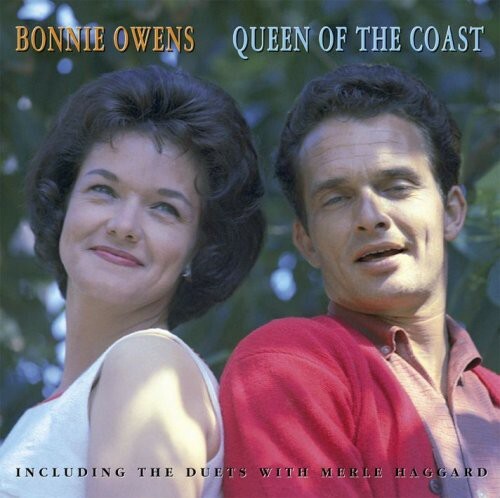
When Merle Haggard married Bonnie Owens in 1965, it already felt like a narrative drawn straight from the heart of country music history. Bonnie Owens had previously been married to Buck Owens, a defining figure of the Bakersfield sound alongside Haggard himself. But beyond the overlap of famous names, what truly defined Bonnie Owens was her quiet but powerful presence in Haggard’s artistic life. She was never just a figure in the background of photographs or a familiar face on tour. She was part of the creative process itself.
Bonnie Owens contributed in ways that often go unnoticed in traditional music histories. She was a listener before the audience ever heard a note. She understood structure, emotional pacing, and lyrical weight while songs were still forming. In an industry that tends to celebrate the voice at the microphone, her influence existed in the spaces between ideas—where unfinished songs were shaped into something complete.
A Song Born in a Quiet Moment
One of the most enduring results of their collaboration began with a simple, almost offhand line. According to long-repeated accounts, Merle Haggard once said, “I finally have time to love you again.” Bonnie Owens immediately recognized the emotional depth hidden in that sentence. Instead of letting it pass, she saw its potential and began shaping it into something larger.

From that moment of inspiration emerged “Today I Started Loving You Again,” a song that carries a rare emotional balance—equal parts regret, tenderness, and quiet acceptance. It does not rely on dramatic storytelling or elaborate explanation. Instead, it offers something more powerful: emotional recognition. Listeners hear it and often find their own experiences reflected back at them.
Over time, the song became one of the most enduring pieces associated with Haggard’s career. It was recorded by multiple artists and revisited across generations, yet its emotional center consistently traced back to the shared creative space between Haggard and Bonnie Owens.
After the Divorce, the Music Remained
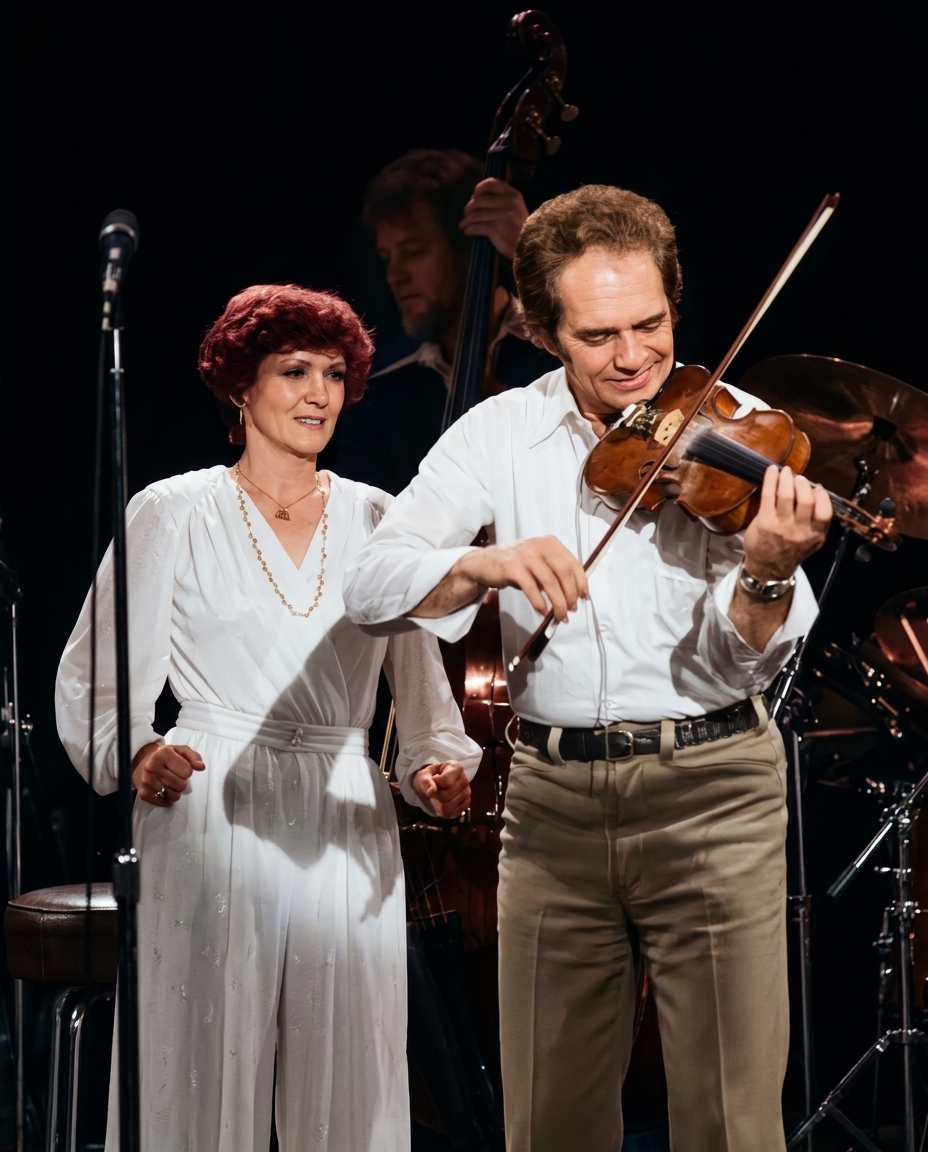
In 1978, their marriage ended. By most expectations, that would have marked the conclusion of their shared story. But country music rarely follows clean endings. Instead of disappearing from his world, Bonnie Owens continued performing alongside Haggard as a backing vocalist.
Night after night, she stood on stage while songs they had once built together filled the room. Among them was the very song that had emerged from their private emotional exchange. That contrast—between personal separation and professional continuity—gave their story a lingering emotional complexity that audiences could feel, even if they did not know every detail.
The Meaning Changed With Time
As years passed, “Today I Started Loving You Again” evolved beyond its original context. It became less a reflection of a specific relationship and more a meditation on love that survives in memory, even after change. In 1996, Haggard reportedly said, “I still love Bonnie,” a simple statement that reinforced what many had already sensed: some emotional connections do not end neatly, even when relationships do.
When Bonnie Owens passed away in 2006, and later when Merle Haggard died in 2016, the chapter closed in life—but not in music. What remained was a legacy shaped by collaboration, emotional honesty, and songs that continued to speak long after their creators had moved through different seasons of life.
Why the Story Still Matters
The story of Merle Haggard and Bonnie Owens endures because it reflects something deeply human: the way art can preserve what life transforms. Their marriage may have ended, but the music did not. And in country music, where truth often lives between sorrow and grace, that may be the closest thing to forever.