Introduction:
The Last Sanctuary: Elvis Presley’s Quiet Farewell in Hawaii
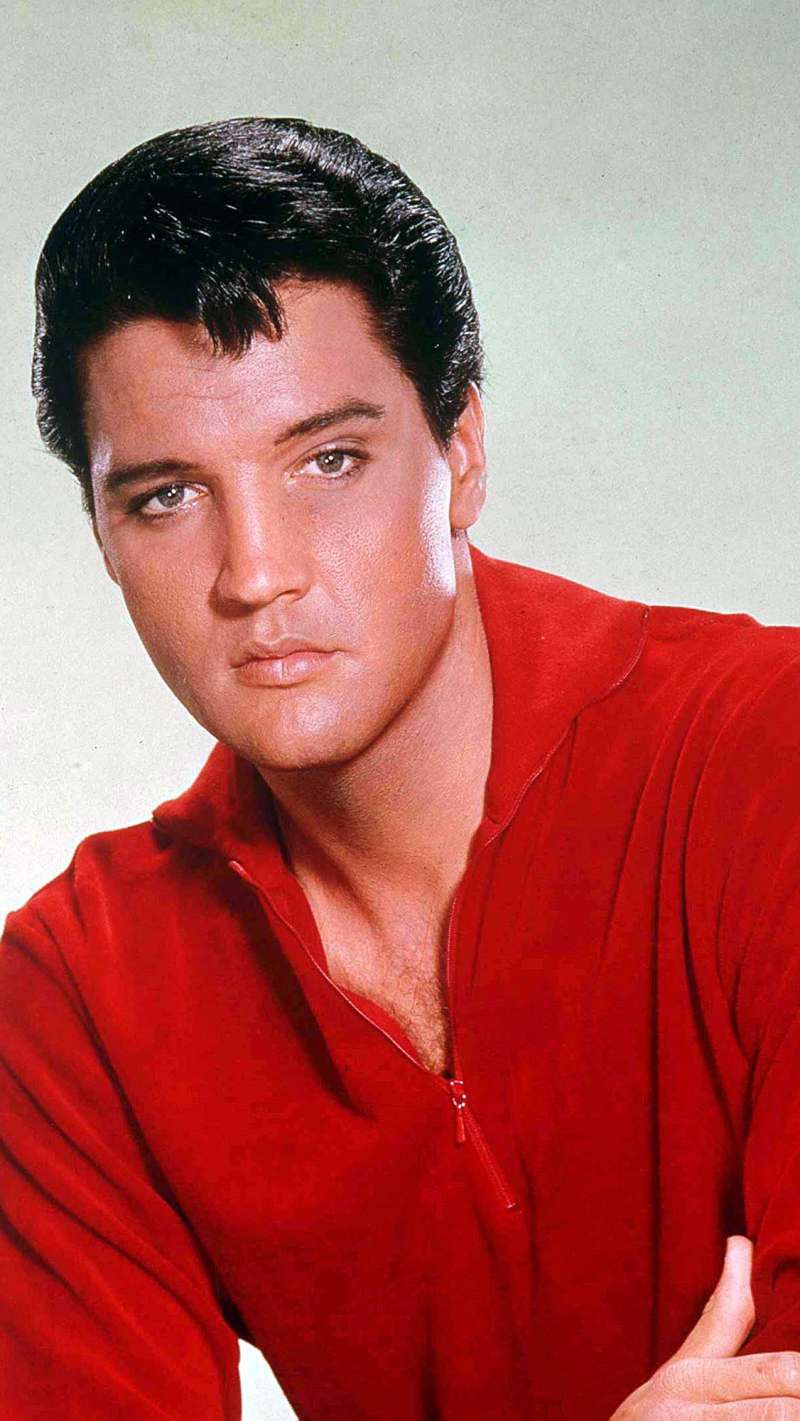
In March 1977, just months before the world would lose one of its most enduring musical icons, Elvis Presley embarked on what would become the final vacation of his life. Far removed from the dazzling lights of sold-out arenas and the constant roar of adoring fans, this journey to Hawaii revealed a different side of the King of Rock and Roll—one that was quiet, reflective, and deeply human. For Elvis, the islands were not merely a destination; they were a refuge, a place where the weight of fame could momentarily dissolve into the rhythm of the ocean.
A Private Retreat Amidst the Spotlight
Elvis arrived on March 4, 1977, accompanied by a close-knit circle of about thirty people, including Ginger Alden and trusted companions like Joe Esposito and Charlie Hodge. These were not just members of his entourage—they were witnesses to his journey, individuals who understood the man behind the legend. Their presence offered Elvis a sense of grounding, a fragile normalcy in a life otherwise dominated by extraordinary expectations.

The group initially stayed at the Hilton Hawaiian Village Waikiki Beach Resort, specifically the iconic Rainbow Tower overlooking Waikiki. The location carried deep personal history for Elvis, who had spent time there during film productions and performances throughout the 1960s and 1970s. Yet, despite its luxury and familiarity, the hotel could not fully shield him from public attention. Even in paradise, the shadow of fame lingered.
Finding Solitude in Kailua
After just two days, Elvis made a quiet decision to move. Seeking greater privacy, he relocated to a beachfront home in Kailua. Here, away from the crowds and cameras, he found the peace he had been searching for. It was in Kailua that some of the most poignant images of his final months were captured—Elvis dressed in a light-blue tracksuit, walking along the shoreline, the Pacific glimmering behind him.
These photographs stand in stark contrast to the electrifying stage presence that defined his career. There were no spotlights, no microphones—only a man and the sea. In these quiet moments, Elvis appeared unburdened, almost weightless, as if the island itself had granted him a brief escape from the pressures that had long defined his life.
Days in Kailua unfolded gently. Elvis rested, listened to the waves, and shared intimate conversations with those closest to him. The simplicity of the environment—the warmth of the sun, the scent of salt air, the steady rhythm of the surf—offered something no audience ever could: stillness.
Hawaii: A Place of Meaning
Elvis’s bond with Hawaii was deeply rooted. The islands had long been intertwined with both his personal and professional life. He filmed the beloved movie Blue Hawaii there and delivered the groundbreaking Aloha from Hawaii concert, which reached a global audience of unprecedented scale. Time and again, he returned to Hawaii not just to perform, but to heal.
During this final visit, friends noticed a subtle but meaningful shift. Elvis smiled more easily, laughed more freely, and seemed, for a fleeting moment, at peace. He would often sit quietly, gazing out over the ocean, lost in thought. These were not the actions of a global superstar—but of a man reflecting on a life lived at extraordinary speed.
The Gentle Pause Before the Storm
Though his health had grown increasingly fragile, Hawaii seemed to lift Elvis’s spirit, even if only temporarily. Surrounded by those he trusted, he experienced a rare sense of comfort. For a few precious days, he was not “The King”—he was simply Elvis.
Soon after, he returned to Memphis to prepare for another demanding tour. No one could have known that this peaceful retreat would mark the closing chapter of his journey. On August 16, 1977, the world would mourn his passing, and the legend of Elvis Presley would be forever etched into history.
Reflections on His Final Days
Elvis Presley’s last vacation in Hawaii remains a deeply moving chapter in his story. The images from Kailua—soft, quiet, and profoundly human—serve as a reminder that behind the legend was a man searching for peace. In those final days, he found a fleeting sanctuary, a place where he could simply exist, breathe, and be.
In a life defined by extraordinary fame, this final journey was not about performance—it was about presence. And in the gentle embrace of Hawaii, Elvis Presley found, at last, a moment of rest.