
Introduction:
Long before Patsy Cline became one of country music’s most celebrated voices, she was already mastering the art of turning heartbreak into timeless storytelling. Among the hidden treasures from her earliest recordings is “Seven Lonely Days,” a song that may never have climbed the charts but continues to reveal the remarkable emotional depth that would later define her legendary career.
Recorded on April 24, 1957, at the renowned Bradley Film and Recording Studio in Nashville, Tennessee, “Seven Lonely Days” was produced by the legendary Owen Bradley during the sessions for Patsy Cline’s self-titled debut album. At the time, Cline was still recording under her Four Star Records contract, with releases distributed through Decca Records. Although she had already begun attracting attention with the breakthrough success of “Walkin’ After Midnight,” many of her early recordings remained overshadowed by the massive hits that followed.
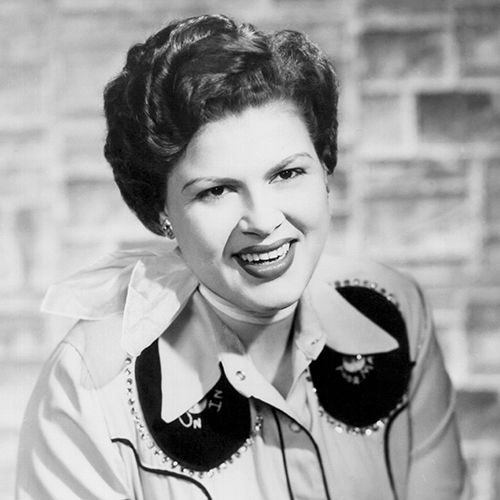
Originally written by Alden Shuman, Marshall Brown, and Earl Shuman, “Seven Lonely Days” first found success as a pop hit for Georgia Gibbs in 1953 before being recorded by several other artists. Yet when Patsy Cline interpreted the song, she transformed it into something unmistakably her own. Rather than relying on elaborate production, her version embraced the traditional honky-tonk sound of the mid-1950s, featuring steel guitar, fiddle, acoustic rhythm guitar, upright bass, and subtle piano accompaniment. The arrangement remained intentionally simple, allowing the true star of the recording—Cline’s extraordinary voice—to command every moment.
Running just over two minutes, the song tells the familiar but deeply relatable story of a woman struggling to cope after the end of a relationship. The unforgettable refrain, “Seven lonely days make one lonely week, seven lonely nights make one lonely me,” captures the quiet pain of separation with remarkable honesty. Each verse unfolds with gentle vulnerability, expressing sorrow, longing, and the enduring hope that love might somehow return.
What makes this recording especially meaningful is its place within Patsy Cline’s artistic evolution. Before the polished Nashville Sound productions that would accompany classics like “Crazy,” “I Fall to Pieces,” and “She’s Got You,” these early recordings showcased a more traditional country style. Owen Bradley wisely resisted overproducing the track, instead allowing Cline’s heartfelt phrasing and natural emotional expression to carry the entire performance. Even in these formative years, her ability to communicate genuine feeling was already extraordinary.
Although “Seven Lonely Days” was never released as a standalone single and did not appear on either the country or pop charts, it found its home on Patsy Cline, released on August 5, 1957. Following her tragic passing in 1963, the recording gained renewed appreciation through numerous compilation albums and retrospective collections, introducing new generations of listeners to the remarkable artistry found in her early catalog.
Today, “Seven Lonely Days” stands as more than just an overlooked album track. It serves as a reminder that Patsy Cline’s greatness was never built solely on chart-topping singles. Even before superstardom arrived, she possessed the rare ability to make every lyric feel deeply personal and every note resonate with sincerity. The song remains a beautiful example of her gift for transforming everyday heartache into something enduring, proving that some of an artist’s most meaningful performances are not always their biggest commercial successes.
For longtime fans, revisiting “Seven Lonely Days” offers a glimpse into the foundation of Patsy Cline’s legacy—a voice rooted in authenticity, compassion, and emotional truth. More than six decades after it was recorded, the song continues to remind listeners why Patsy Cline remains one of country music’s most beloved and influential storytellers.