Introduction:
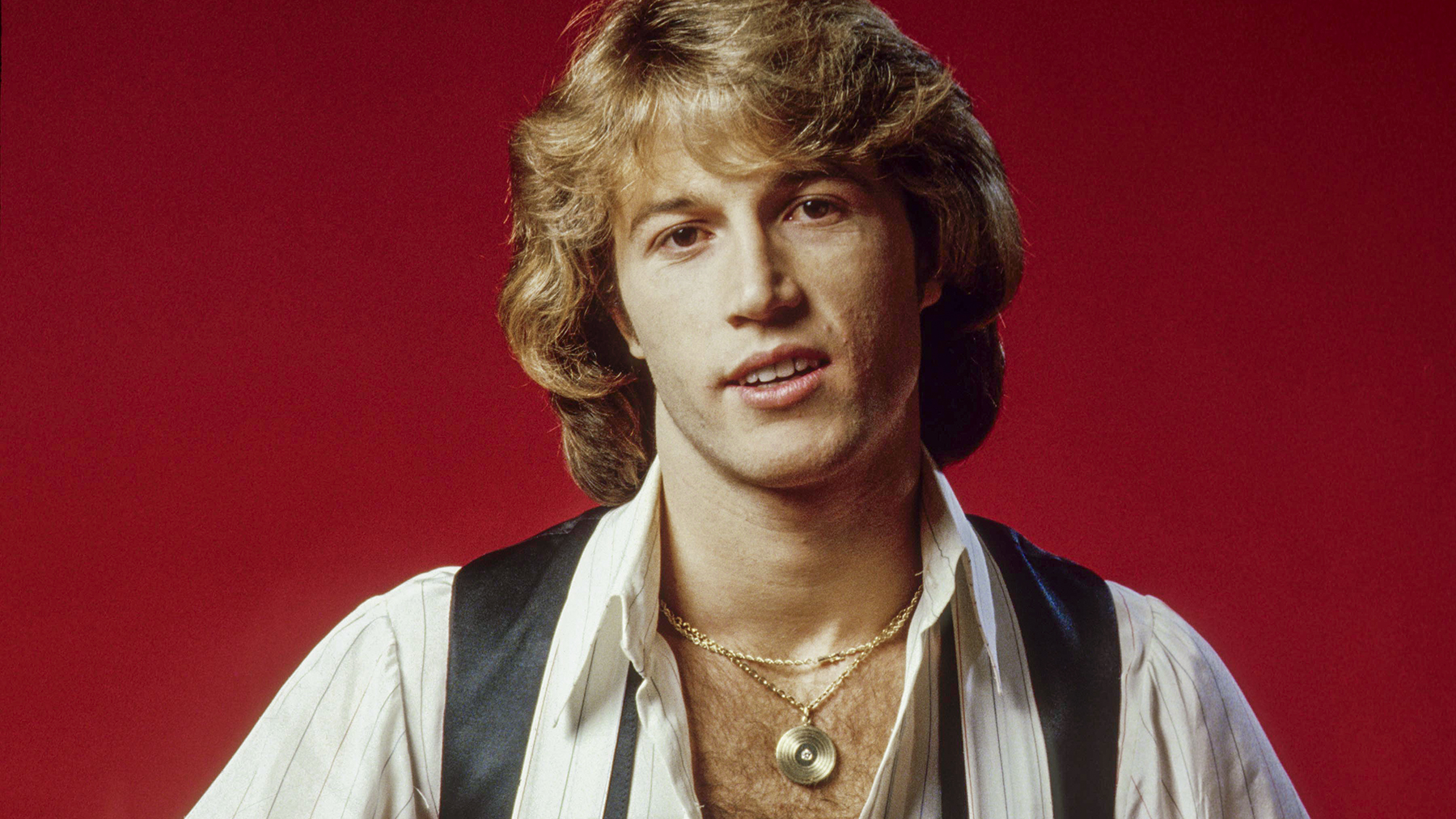
The walls of Andy Gibb’s childhood home still seem to hum with memory. Framed gold records, candid photographs, and carefully preserved mementos line the rooms—each one capturing a fleeting moment from a life that burned brilliantly, yet all too briefly. As the youngest son of Hugh and Barbara Gibb, Andy Gibb grew up in the long shadow—and warm harmony—of his older brothers, the legendary Bee Gees. Their sound shaped his earliest instincts, but nothing could have predicted the extraordinary path he would carve on his own.
Barely out of his teens, Andy achieved what even seasoned artists could only dream of. At just 18, he launched a career that skyrocketed with astonishing force. His first three singles all soared to number one on the charts—an unprecedented streak that set him apart not only from his contemporaries, but even from icons like The Beatles. It was, as many described, “bang, bang, bang”—a rapid succession of hits that transformed him overnight into a global sensation. Songs like “I Just Want to Be Your Everything” and the infectious “Shadow Dancing” didn’t just dominate radio waves—they defined an era.
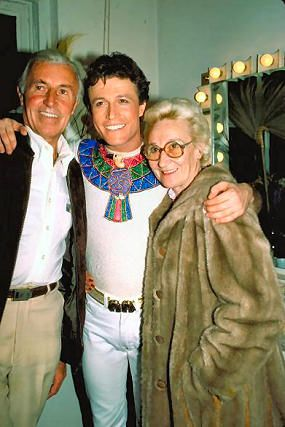
But behind the dazzling rise lay a quieter, more fragile reality. Fame arrived too quickly, and for someone so young, its weight proved overwhelming. Andy’s career soon expanded beyond music, as he took on high-profile television hosting roles that demanded relentless energy and public presence. At the same time, his highly publicized romance with actress Victoria Principal placed his private life under an unforgiving spotlight. To those closest to him, this period marked the beginning of a deeper struggle—one that Andy himself acknowledged, as he grappled with the pressures of fame, expectation, and love.
In the years following his passing, much of the narrative surrounding his relationship with Principal became distorted. Sensational headlines painted a picture of heartbreak that, according to those who knew him best, simply wasn’t true. Principal herself later shared that she had done everything she could to support him, but ultimately had to step away to protect her own well-being. The truth, as it often is, was far more complex than the stories told.
Determined to reclaim control, Andy began working toward recovery. He reemerged in public life with renewed focus, often seen alongside celebrated figures such as Olivia Newton-John and Tanya Tucker. Yet despite the fame and attention, those close to him described a gentler side—a vulnerability that made him seem, in their words, “like a baby,” someone who inspired deep care and protectiveness.

What remained largely unknown, however, was the silent battle taking place within his own body. Andy was suffering from myocarditis, a rare and often unpredictable viral infection that attacks the heart muscle. It was this condition—not the excesses of fame, nor the myths of lost love—that ultimately claimed his life at just 30 years old.
In the wake of his passing, the city of Miami honored his legacy with a lasting tribute: “Andy Gibb Drive,” a street bearing his name. For his family, though, no memorial can fully ease the absence. As one sibling poignantly reflected, it sometimes feels as if he’s simply away on tour—expected to return at any moment, walking back through the door with that familiar smile.
And in many ways, he does return. Through timeless songs like “Shadow Dancing,” “I Just Want to Be Your Everything,” and “An Everlasting Love,” Andy Gibb’s voice continues to resonate—youthful, heartfelt, and unmistakably alive. Long after the applause has faded, it still echoes—far beyond the walls where it first began.