INTRODUCTION:
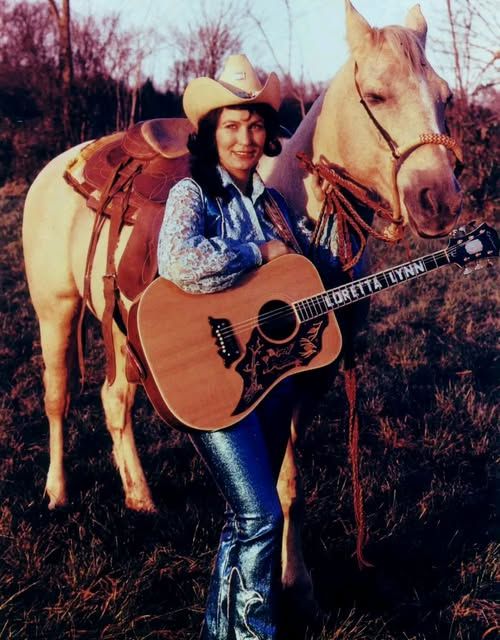
On this day in 1967, a song climbed to the top of the country charts and quietly rewrote the rules of Nashville. When Dont Come Home a Drinkin reached the number one spot for the first time, it was more than a commercial victory. It was a cultural moment — one that announced the arrival of a woman who would no longer ask permission to tell the truth.
That woman was Loretta Lynn.
This was her first number one country hit, but history would soon prove it was only the beginning. What makes this milestone endure is not just chart success, but what the song represented — and why audiences, especially women, instantly knew it was something different.
A Song That Spoke Plainly When Others Stayed Quiet
In 1967, country music was still deeply rooted in tradition. Songs often leaned toward romance, heartbreak, or moral lessons delivered gently. Loretta Lynn took another route entirely.
Dont Come Home a Drinkin didn’t whisper.
It didn’t soften its message.
And it certainly didn’t apologize.
The song spoke from the voice of a woman drawing a clear line — not out of cruelty, but out of self-respect. For many listeners, especially working-class families who recognized the situation immediately, it felt less like entertainment and more like recognition.
That honesty is what propelled the song to number one.
Why This First Number One Meant Everything
Every artist remembers their first chart-topper, but Loretta Lynn’s carried unusual weight. It wasn’t a safe song. It wasn’t designed to please everyone. And it didn’t follow the unspoken rules about what women in country music were supposed to say.
That made its success impossible to ignore.
With this single achievement, Loretta Lynn proved that truth — even when uncomfortable — could resonate more deeply than polish. She didn’t arrive as a novelty. She arrived as a force.
And Nashville took notice.
From Chart Success to Concert Staple

While the song’s chart performance cemented its legacy, its real power revealed itself on stage.
Dont Come Home a Drinkin became one of Loretta Lynn’s most reliable live concert highlights. Night after night, audiences responded with recognition rather than surprise. They sang along not because it was catchy — but because it felt familiar.
For many women in the crowd, it was the rare moment when their unspoken frustrations were voiced out loud. For men, it was a reminder that country music could reflect real consequences, not just romantic ideals.
That reaction never faded.
A Career Built on Courage Not Compromise
Looking back, it’s clear that this song didn’t just open the door — it defined the path Loretta Lynn would walk for the rest of her career.
She would go on to write and record songs that addressed marriage, motherhood, independence, and working-class life with the same directness. The difference was that after Dont Come Home a Drinkin, no one could claim audiences weren’t ready.
They were.
And they had proven it.
Why the Song Still Matters Decades Later
Some songs age. Others endure.
Dont Come Home a Drinkin still resonates because its message is timeless. It isn’t about a specific era — it’s about boundaries, dignity, and emotional honesty. Those themes don’t expire.
That staying power was formally recognized decades later when, in 2003, CMT included the song in its list of the 100 Greatest Songs in Country Music. The honor confirmed what fans had known all along — this wasn’t just a hit. It was a cornerstone.
Loretta Lynn and the Power of the Unfiltered Voice
What set Loretta Lynn apart was never just her voice — it was her perspective. She sang from lived experience, not from imagined narratives. That authenticity gave her songs authority.
With Dont Come Home a Drinkin, she wasn’t creating controversy for attention. She was reflecting reality with clarity.
That clarity became her signature.
Why Older Audiences Feel This Anniversary So Deeply
For listeners who remember hearing the song when it first hit the radio, this anniversary brings more than nostalgia. It recalls a time when country music felt closer to everyday life — when songs mirrored kitchen-table conversations and front-porch truths.
Many fans remember where they were when they first heard it. They remember the feeling of hearing someone say out loud what so many had been thinking.
That kind of memory doesn’t fade.
A First Number One That Changed Expectations
It’s easy to look back and see this as an inevitable success. It wasn’t.
A woman topping the country charts with such a direct message was still a risk in 1967. The fact that Loretta Lynn’s first number one came from a song so unapologetically honest makes the achievement even more remarkable.
It set a precedent — not just for her, but for every artist who followed.
From Then to Now The Legacy Continues
Today, country music is filled with artists who speak openly about personal boundaries and lived experience. That openness didn’t appear overnight.
It began with moments like this one.
A song.
A chart.
A woman refusing to soften her truth.
Conclusion The Number One That Meant More Than Numbers
On this day in 1967, Dont Come Home a Drinkin reached number one, giving Loretta Lynn her first chart-topping country hit.
But what it really delivered was permission — permission for honesty, for female perspective, and for songs that didn’t flinch.
It was the first of many number ones, but it remains one of the most important. Not because it topped the charts — but because it stood its ground.
And more than half a century later, its message still stands just as firmly.