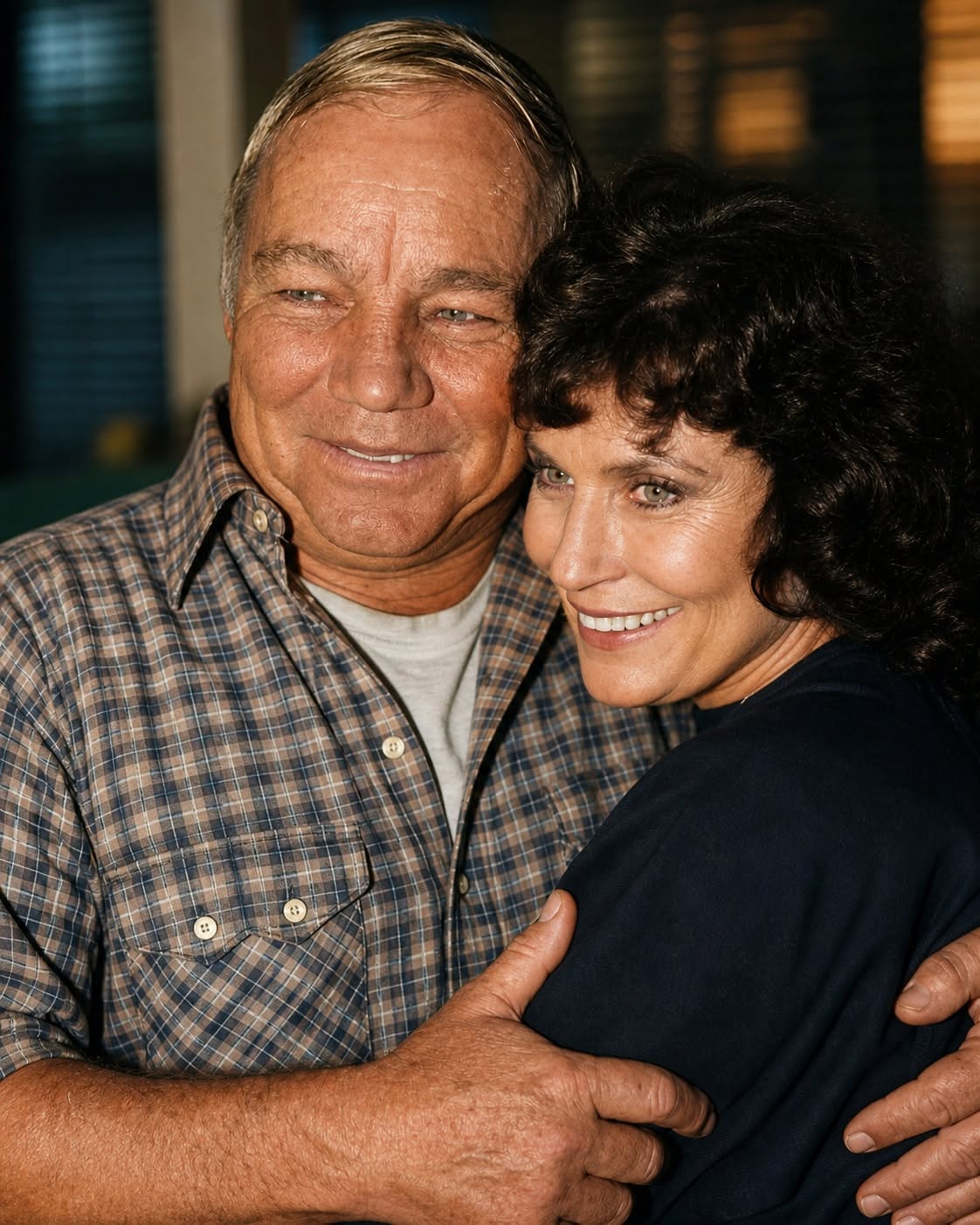
Introduction:
Why Loretta Lynn Avoided One Song Until the End of Doo’s Life
For millions of country music fans, Loretta Lynn earned admiration not simply because of her extraordinary voice, but because she never hid from the truth. Her songs spoke openly about marriage, family struggles, heartbreak, and resilience. She sang about life exactly as she lived it—imperfect, emotional, and deeply human. While many artists created stories, Loretta often shared her own.
Her marriage to Oliver “Doo” Lynn was one of the greatest influences on her songwriting. Married at just fifteen years old, Loretta and Doo built a life together through hardship, raising a family before success finally arrived. Their relationship was filled with love, conflict, forgiveness, and challenges, especially Doo’s battle with alcohol. Rather than hiding those struggles, Loretta transformed them into music that resonated with countless listeners who recognized pieces of their own lives in her lyrics.
One of her biggest hits, “Don’t Come Home A-Drinkin’ (With Lovin’ on Your Mind),” became an anthem because it spoke honestly about the frustrations of loving someone whose drinking affected the family. Yet surprisingly, that wasn’t the song she found hardest to perform around Doo.
That distinction belonged to “Wouldn’t It Be Great.”
When Loretta later spoke about the song, she admitted that she rarely sang it in front of her husband. The reason wasn’t resentment or anger. It was because the lyrics were simply too personal. One line, asking for love “with a sober mind,” reflected a painful truth they had lived together for decades. Singing those words while Doo was listening felt too intimate, almost like exposing a private conversation to the world.
“I always liked that song,” Loretta once recalled, “but I never liked to sing it around Doo.”
Those words reveal something remarkable about her character. Loretta was fearless enough to write honestly about her marriage, yet compassionate enough to protect the feelings of the man who inspired many of those songs. Her honesty was never meant to humiliate. It was meant to tell the truth while leaving room for grace.
The story took on even greater meaning in 1996, when Doo’s health began to fail. During his final days, Loretta remained by his side. According to her later recollections, Doo asked her to sing “Wouldn’t It Be Great.” It was a request that carried the weight of an entire lifetime together.

Loretta tried.
But as she began to sing, emotion overwhelmed her. She couldn’t finish the song.
She didn’t have to.
Doo had already heard what mattered most.
That quiet moment transformed the song forever. It was no longer just another composition in Loretta Lynn’s remarkable catalog. It became a final conversation between two people whose marriage had survived nearly fifty years of joy, disappointment, forgiveness, and enduring love.
Loretta once admitted that there were times she hated Doo—but she never stopped loving him. That single sentence perhaps explains her music better than anything else ever could. She never wrote fairy tales or perfect romances. She wrote about real marriages, where love and pain often exist side by side.
Perhaps that is why “Wouldn’t It Be Great” continues to touch listeners so deeply. Some songs are difficult to sing because the memories have faded. Others remain difficult because the memories never do. For Loretta Lynn, this song belonged to the second kind—a deeply personal farewell that reminded us all that the truest love stories are rarely perfect, but they are unforgettable.