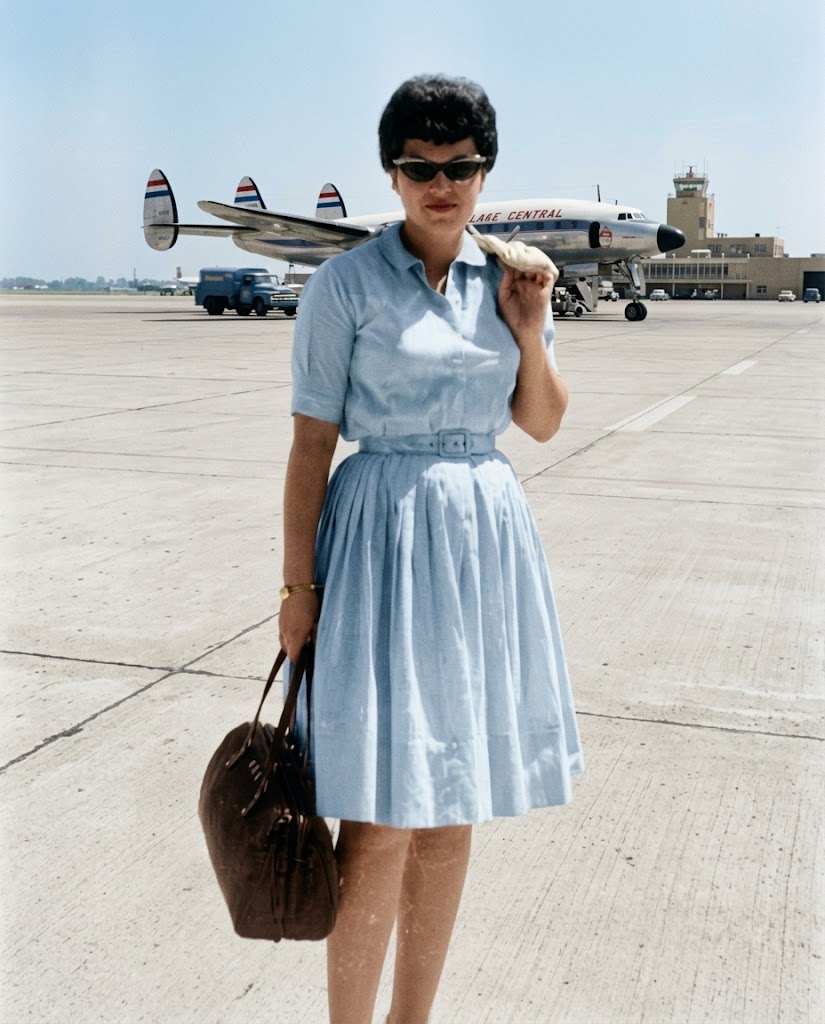
Introduction:
The world remembers Patsy Cline as one of country music’s greatest voices—a woman whose timeless recordings forever changed the sound of American music. Her unforgettable performances of “Crazy,” “I Fall to Pieces,” and countless other classics established her as a trailblazer in an industry where female artists often had to fight twice as hard to be heard. Yet the final performance of her remarkable life revealed something even more enduring than her extraordinary talent: the quiet generosity of a woman who never forgot where she came from.
By the beginning of 1963, Patsy Cline had reached the height of her career. At just thirty years old, she had become one of country music’s brightest stars, admired for her rich, emotional voice and fearless determination. Fans admired the elegant gowns, the signature red lipstick, and the confidence she carried onto every stage. To the public, she appeared unstoppable.
But behind the spotlight remained Virginia Patterson Hensley, the young woman who had grown up in modest circumstances in Virginia. She understood hardship because she had lived it. Long before sold-out concerts and hit records, she knew what it meant to struggle, to hope for an opportunity, and to rely on the kindness of others. Those experiences shaped her character as much as they shaped her music.
That compassion led her to Kansas City on March 3, 1963.

The event was not part of a major concert tour or a glamorous television appearance. Instead, it was a benefit performance organized to support the family of a beloved local country radio DJ who had recently lost his life in a tragic automobile accident. Patsy was battling a severe case of the flu and had every reason to cancel. Her demanding schedule had left her physically exhausted, and rest would have been the sensible choice.
Instead, she chose to perform.
She understood that the evening was about something much larger than herself. A grieving family needed help, and she believed that if her music could provide comfort or raise support, then that was exactly where she belonged.
Taking the stage despite feeling ill, Patsy delivered every song with the same sincerity and emotional depth that had made audiences fall in love with her voice. Those in attendance heard an artist giving everything she had, unaware that they were witnessing the final public performance of one of country music’s greatest legends.
Only two days later, on March 5, 1963, tragedy struck.
After leaving Kansas City, Patsy boarded a Piper Comanche aircraft with her manager and pilot Randy Hughes, along with fellow country stars Cowboy Copas and Hawkshaw Hawkins. They were traveling home to Nashville, eager to return to their families after the benefit concert.

As the flight crossed Tennessee, the aircraft encountered severe weather near Camden. Heavy rain and dangerous conditions proved overwhelming, and the plane crashed, claiming the lives of everyone on board.
The news stunned the nation.
Country music had lost one of its defining voices at the very moment her career was reaching extraordinary heights. Fans mourned not only the songs she had already given the world but also the countless performances and recordings that would never come to be. Her passing left an immeasurable void within her family, among her friends, and throughout the music community she had helped transform.
More than six decades have passed since that heartbreaking day, yet Patsy Cline’s influence has never faded. New generations continue to discover her music, and artists across every era still point to her as an inspiration. Her recordings remain as moving today as they were when they first filled jukeboxes and radio stations across America.
Perhaps that is the most fitting legacy of all.
Patsy Cline’s final performance was not driven by fame, awards, or commercial success. It was an act of kindness—a decision to use her remarkable gift to help others during a difficult time. That final evening perfectly reflected the woman behind the legend: compassionate, loyal, and generous to the very end.
The storm that claimed her life silenced one of country music’s greatest voices, but it could never silence what that voice represented. Every time her songs fill the air, they remind us that true greatness is measured not only by talent, but by the generosity with which it is shared. Patsy Cline’s final notes were offered in service to others, and because of that, her light continues to shine far beyond the stage she left behind.