Introduction:
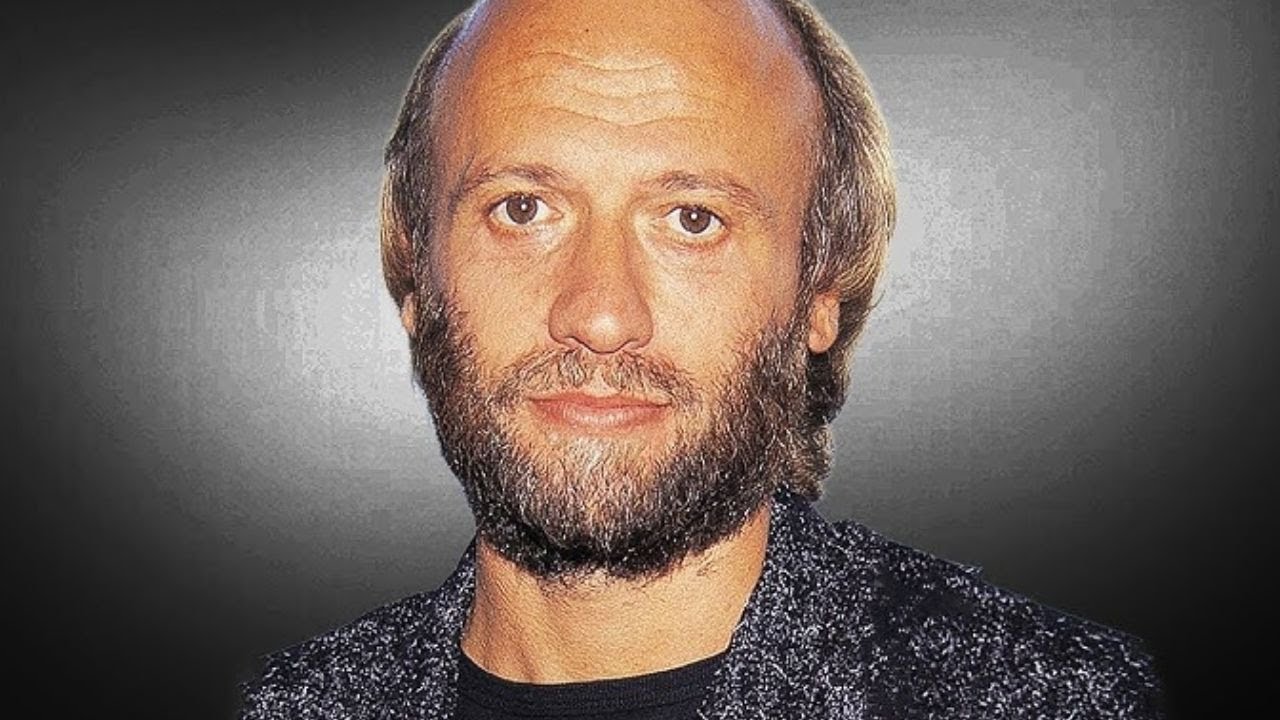
Maurice Gibb: The Silent Heartbeat of the Bee Gees Whose Legacy Still Echoes Around the World
For decades, millions of music lovers celebrated the unforgettable harmonies of the Bee Gees. The soaring falsetto of Barry Gibb, the emotional depth of Robin Gibb, and the timeless songs that defined generations became part of popular music history. Yet behind every unforgettable melody stood a quieter force—Maurice Gibb, the musical architect whose extraordinary talent shaped the band’s unmistakable sound.
Born on December 22, 1949, just 35 minutes before his twin brother Robin, Maurice displayed a remarkable musical instinct from an early age. While Barry naturally gravitated toward songwriting and Robin possessed an emotionally distinctive voice, Maurice became fascinated with the mechanics of music itself. He mastered multiple instruments, experimented endlessly in the recording studio, and developed the layered harmonies and rich basslines that would become the Bee Gees’ signature.
As the family moved from the Isle of Man to Australia, music became both their escape and their future. Performing at local venues eventually led to international success, transforming three talented brothers into one of the best-selling groups in history. Although audiences often focused on Barry and Robin, industry professionals recognized Maurice as the foundation holding everything together. He wasn’t simply playing instruments—he was building entire musical landscapes.
From classics like Massachusetts and To Love Somebody to disco masterpieces including Jive Talkin’, Stayin’ Alive, Night Fever, and How Deep Is Your Love, Maurice’s fingerprints were everywhere. His sophisticated arrangements, inventive bass work, and studio craftsmanship gave the Bee Gees a sound that countless artists would later study and emulate. Even today, echoes of his production style can be heard in the music of modern pop stars, proving that truly great musicians influence generations long after their own era has passed.
Yet extraordinary success often carried a hidden cost. Despite his immense contributions, Maurice frequently found himself standing in the shadows of his brothers’ public recognition. Friends and family spoke openly about his struggles with alcoholism and self-doubt, battles he courageously confronted throughout his life. Behind the applause was a man searching not for fame, but for peace.
Fortunately, Maurice found lasting support in his wife, Yvonne, whose unwavering encouragement helped him rebuild his life and focus on what mattered most—family, music, and recovery. Together they created a home where he could simply be himself, away from the relentless spotlight.
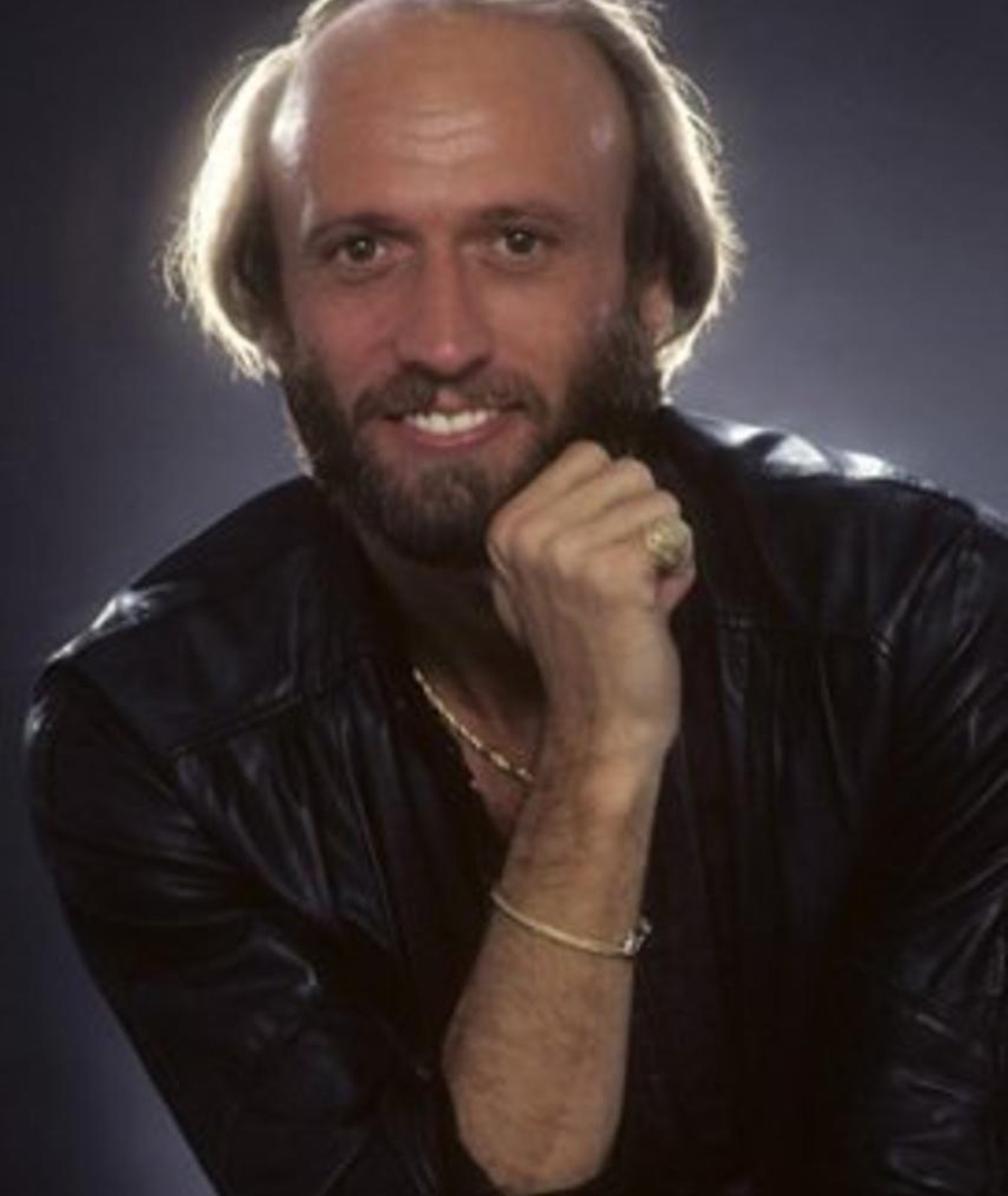
Tragically, that journey came to an unexpected end in January 2003. Maurice died at just 53 years old following complications related to surgery for a twisted intestine. His sudden passing shocked the music world and left fans heartbroken. Over the years, questions have continued to circulate regarding aspects of his medical treatment, although many details remain the subject of public discussion rather than definitive conclusion. What remains beyond dispute is the profound sense of loss felt by those closest to him.
Barry Gibb later expressed a sentiment shared by countless fans: when Maurice died, the Bee Gees lost their heartbeat. It was more than the loss of a bassist or multi-instrumentalist—it was the loss of the quiet creative force who united three brothers into one extraordinary musical voice.
Maurice Gibb may never have sought the spotlight, but his legacy shines through every harmony, every unforgettable bassline, and every timeless Bee Gees recording. More than two decades after his passing, the world continues to dance, sing, and celebrate music shaped by the genius of a man who proved that sometimes the greatest influence comes from those who choose to stand just beyond the light.