Introduction:
The Day the Harmony Broke: Remembering Maurice Gibb and the Heart of the Bee Gees
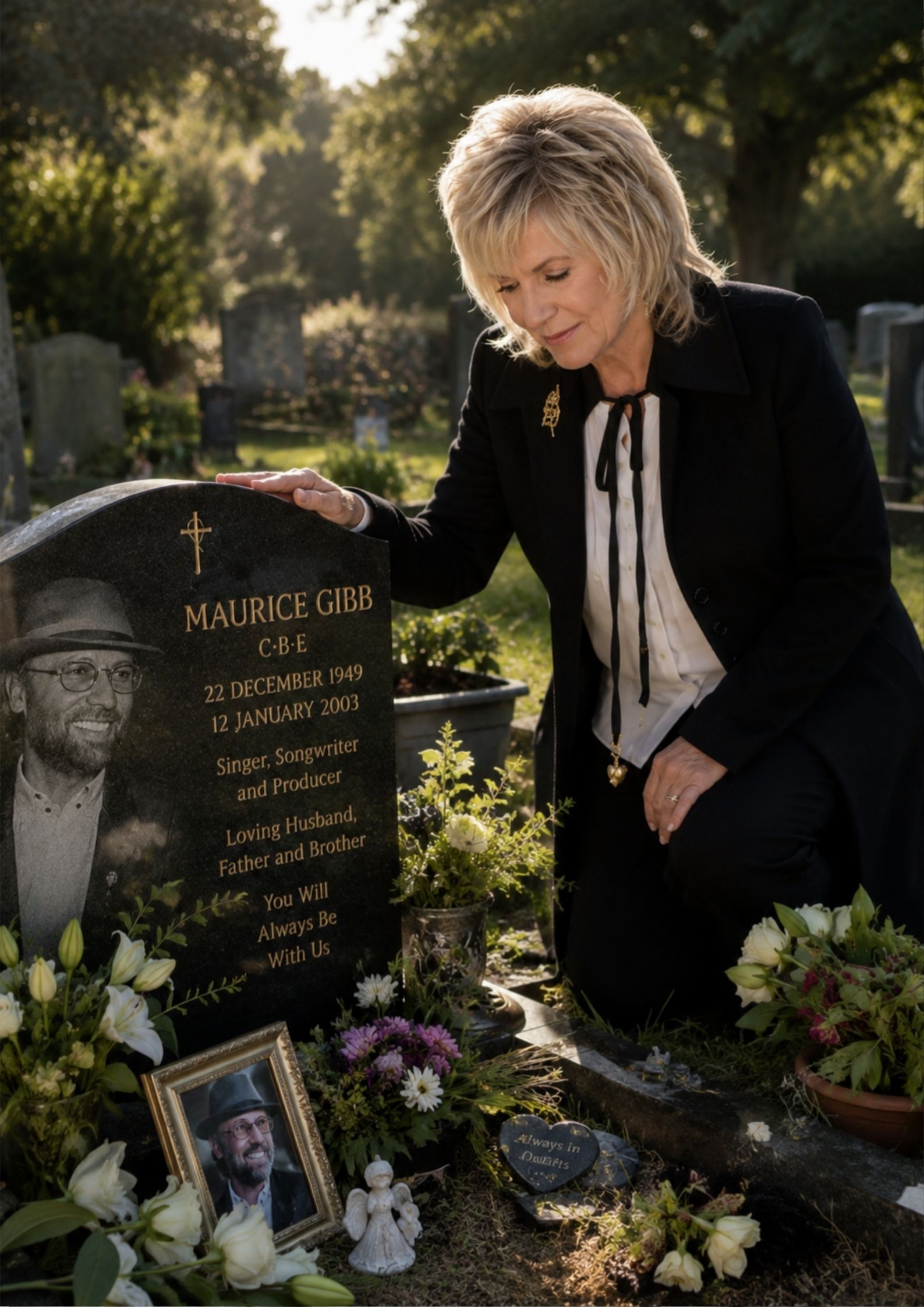
The death of Maurice Gibb was more than the loss of a talented musician. For millions of fans around the world, it marked the moment a musical harmony that had defined generations was forever broken. When Maurice passed away at just 53 years old following a sudden medical emergency in Florida in January 2003, the world did not simply lose a member of the Bee Gees—it lost an essential piece of one of the most extraordinary musical families in history.
For decades, the Bee Gees represented something unique in popular music. Formed in 1958 by brothers Barry, Robin, and Maurice Gibb, the group was built on a rare connection that went far beyond talent. Born in Britain and raised in Brisbane, Australia, the brothers shared an instinctive musical bond that seemed almost impossible to explain. Their voices blended with remarkable precision, creating a sound that felt less like three singers performing together and more like one voice expressed through three hearts.

While Barry often stood at the front with his soaring falsetto and Robin delivered some of the group’s most emotional vocals, Maurice was the quiet force that held everything together. A gifted multi-instrumentalist, he played bass guitar, keyboards, and contributed significantly to arrangements and production. He brought warmth, humor, and stability to the group, earning the admiration of fans and fellow musicians alike. Those who truly understood the Bee Gees knew that Maurice was not simply part of the harmony—he was one of the reasons it existed.
The Bee Gees experienced one of the most remarkable careers in music history. They found success in the 1960s, weathered changing trends and personal challenges, and then achieved global superstardom in the 1970s. With the release of Saturday Night Fever, they became the defining soundtrack of an era. Their music transcended the disco movement, becoming woven into the lives and memories of millions around the world.

Yet behind the fame stood a family that understood heartbreak. In 1988, the brothers suffered the devastating loss of their younger brother, Andy Gibb, who died at just 30 years old. The tragedy deeply affected the family, but Barry, Robin, and Maurice continued performing, united by their shared history and an unbreakable bond forged through music.
That is why Maurice’s passing felt so profound. Reports indicated that he collapsed at his Florida home before being rushed to the hospital, where he later died following complications related to abdominal surgery. Surrounded by loved ones, including his wife Yvonne, his children, and his twin brother Robin, Maurice left behind a legacy far greater than chart-topping hits.
His story was also one of resilience. Maurice had openly battled alcoholism earlier in life but successfully overcame those struggles and rebuilt his life with determination and strength. That journey made him relatable to many who saw in him not only a star but a man who faced challenges and emerged stronger.
Today, Maurice Gibb’s legacy lives on through the timeless music of the Bee Gees. He left behind unforgettable songs, extraordinary musicianship, and the enduring example of a brother whose loyalty helped create one of the greatest vocal harmonies ever recorded.
The world will always remember the Bee Gees for their incredible success and iconic sound. But those who listen closely may hear something even more powerful—the story of three brothers who became one voice.
And when Maurice Gibb was gone, that voice was never quite the same again.