Introduction:
Before “Silent Quitting” Had a Name, Conway Twitty and Loretta Lynn Were Already Singing About It
Every generation eventually reaches a point of exhaustion—not because people stop caring, but because they grow tired of fighting battles that seem impossible to win. In 2026, that reality has found a new label: silent quitting. The term is often associated with workers disengaging from their jobs, but its reach extends far beyond the workplace. It describes relationships running on empty, ambitions quietly abandoned, and dreams surrendered without fanfare.
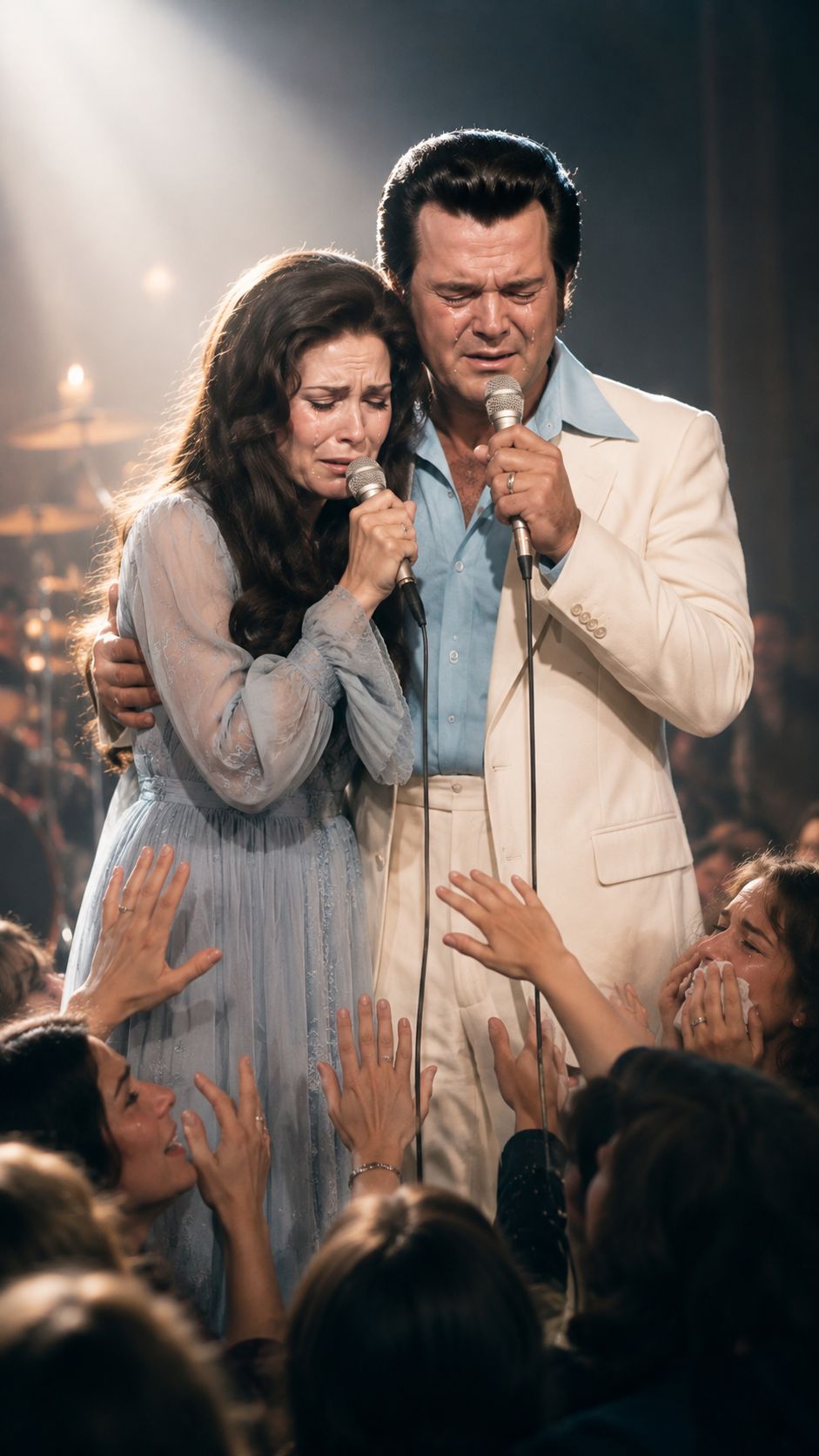
Yet decades before social media turned silent quitting into a cultural phenomenon, Conway Twitty and Loretta Lynn were already telling its story.
Their music was never simply entertainment. It was an honest reflection of ordinary lives weighed down by extraordinary emotional burdens. Through their legendary duets, Twitty and Lynn explored strained marriages, difficult choices, and the painful space between duty and desire. Their songs gave voice to people who remained where they were—not because they were happy, but because they no longer believed change was possible.

That emotional truth feels remarkably relevant today.
In an era defined by burnout, emotional fatigue, and quiet resignation, the music of Conway Twitty and Loretta Lynn resonates with a new generation. What once sounded like classic Country Music storytelling now feels like a soundtrack for modern life. Their songs remind us that heartbreak is not always dramatic. Sometimes the deepest pain comes when people simply stop hoping.
The parallels between their music and today’s silent quitting culture are impossible to ignore. Their duets rarely focused on fairy-tale romance or easy resolutions. Instead, they examined the realities of long-term commitment, disappointment, temptation, and survival. The characters they portrayed often carried on despite emotional exhaustion, choosing endurance over escape because they saw no other option.
That same reality is unfolding across society in 2026.
Millions continue showing up to jobs that leave them drained. Others remain in relationships that have long since lost their spark. Many quietly set aside personal ambitions while maintaining the appearance that everything is fine. The emotional landscape is strikingly similar to the one Twitty and Lynn captured decades ago.
Part of what makes their music so powerful is its honesty. Songs such as After the Fire Is Gone confronted uncomfortable truths about relationships rather than offering idealized fantasies. Their storytelling acknowledged realities that modern culture often avoids: love does not always save people, hard work does not always lead to fulfillment, and staying is not always a heroic choice.
Those themes feel especially powerful today because so many people find themselves trapped between expectation and reality.

The enduring chemistry between Conway Twitty and Loretta Lynn elevated these stories even further. Their performances felt less like scripted songs and more like private conversations between two people wrestling with impossible choices. They understood that human emotions are rarely simple. People can love each other while hurting each other. They can remain loyal while feeling trapped. They can continue functioning while quietly falling apart inside.
Perhaps that is why younger audiences continue discovering their music.
In a world dominated by curated images, endless notifications, and surface-level communication, their voices feel refreshingly human. They remind listeners that emotional exhaustion is not a uniquely modern problem. The language may have changed, but the feelings remain the same.
The lasting legacy of Conway Twitty and Loretta Lynn lies in their ability to transform private pain into shared understanding. Their songs offered no easy solutions and promised no guaranteed happy endings. Instead, they provided something far more valuable: the reassurance that generations before us wrestled with the same doubts, the same disappointments, and the same exhaustion.
And perhaps that is why their music still matters.
Not because it celebrates triumph.
But because it understands survival.