
Introduction:
The Untold Love Story Behind Merle Haggard’s Timeless Classic “Today I Started Loving You Again”
In the history of country music, few songs have captured heartbreak, longing, and enduring love as beautifully as “Today I Started Loving You Again.” Recorded by country legend Merle Haggard, the song has become one of the most cherished ballads ever written, admired for its simplicity, emotional honesty, and timeless appeal. Decades after its release, it continues to resonate with listeners who find pieces of their own stories within its tender lyrics.
What many fans may not realize, however, is that the song’s origins are deeply personal. Behind its unforgettable melody lies a story of love, creative partnership, and a relationship that helped shape some of the most influential songs in country music history.
During the late 1960s, Haggard was experiencing one of the most successful periods of his career. At his side was his wife, Bonnie Owens, a talented performer and songwriter whose contributions to his work often went unnoticed by the public. While many viewed her simply as Haggard’s spouse, those closest to the couple understood that she played a vital role in his creative process.
Haggard frequently credited Bonnie for helping bring his ideas to life. Whenever inspiration struck, she was often the one ready with pen and paper, helping transform fleeting thoughts into songs that would become country music classics. In fact, Haggard once admitted that without Bonnie’s involvement, beloved hits such as “Mama Tried” and “Workin’ Man Blues” might never have taken the form audiences came to know and love.
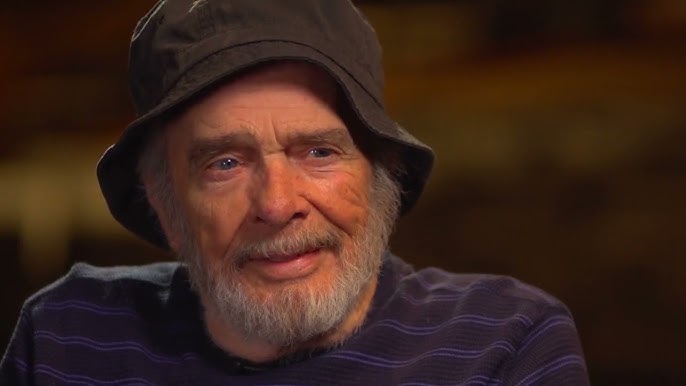
Their collaboration was remarkable. In one extraordinary year, Haggard earned six BMI songwriting awards, and Bonnie had helped document the lyrics for every one of those winning songs. Their creative connection was built not on grand artistic sessions but on everyday conversations, shared experiences, and spontaneous moments of inspiration.
One such moment occurred after a lengthy tour through Texas. While waiting together at Los Angeles International Airport during a rare break from the road, Haggard casually remarked to Bonnie, “Today I’ll start loving you again.” To him, it may have seemed like an offhand comment. To Bonnie, it sounded like the perfect title for a song. She immediately recognized its potential, planting the seed for what would become one of country music’s most enduring masterpieces.
The song itself came together weeks later during a difficult evening in Dallas. Following a demanding performance at the famous Longhorn Ballroom and an emotional disagreement, Haggard returned to his hotel exhausted and frustrated. While Bonnie stepped out to get him something to eat, inspiration suddenly arrived. With no notebook nearby, he grabbed a torn paper bag and began writing lyrics. In that quiet hotel room, the emotional foundation of “Today I Started Loving You Again” was born.

Although the final version would later be refined and shortened, its heartfelt message remained unchanged. Haggard ultimately gifted Bonnie half of the song’s publishing rights, and after their divorce, she later received the remaining share. Over the years, he acknowledged that the song generated an astonishing portion of his royalty income, proving just how deeply it connected with audiences around the world.
Yet perhaps the most touching chapter of the story came years later. As Bonnie battled Alzheimer’s disease, Haggard visited her and discovered that she no longer recognized him by name. Still, she gently guided him to a photograph of the two of them hanging above her bed. Looking at the image, she quietly smiled and said, “He’s my favorite.”
That simple moment echoes the very spirit of the song they created together—gentle, bittersweet, and unforgettable. More than a country standard, “Today I Started Loving You Again” stands as a lasting tribute to a partnership that transcended fame, success, and even time itself. It remains a beautiful reminder that while memories may fade, true love has a way of finding its voice forever.