Introduction:
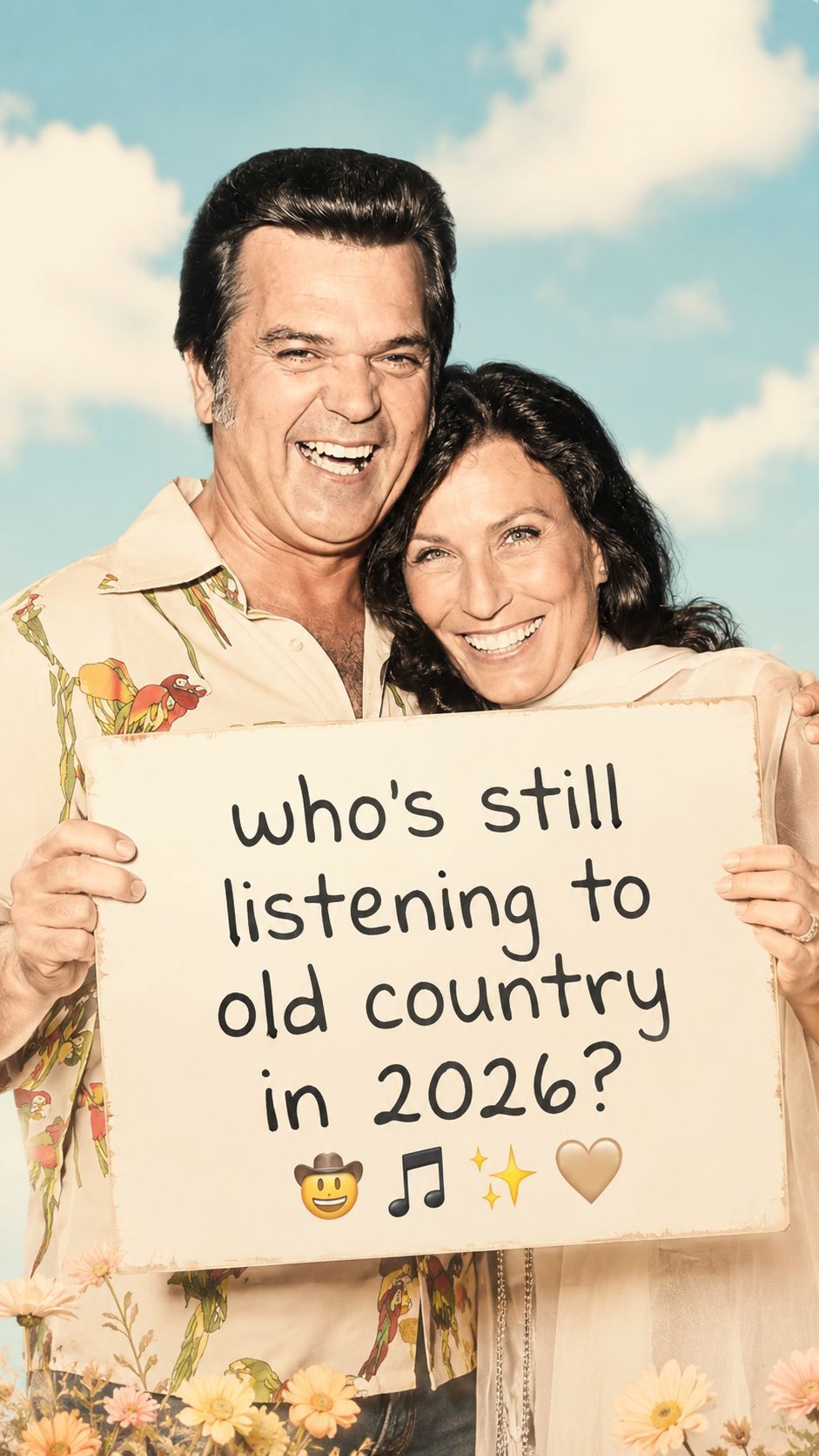
Few partnerships in the history of Country Music ever felt as emotionally natural as the bond shared by Conway Twitty and Loretta Lynn. There were countless duos who could harmonize beautifully, but Conway and Loretta created something far more powerful than polished performances. Together, they made audiences believe every word they sang. Their music did not feel staged or carefully manufactured. It felt lived in — filled with tension, affection, heartbreak, humor, and emotional honesty that could not be faked.
When Conway Twitty stepped beside Loretta Lynn, two completely different personalities somehow merged into one emotional language. Conway carried the smooth confidence of a romantic storyteller, his velvet voice capable of turning even the simplest lyric into longing. Loretta, meanwhile, brought the fierce honesty of Appalachian life — grounded, plainspoken, and deeply human. The contrast between them became their greatest strength. Together, they transformed love songs into conversations and heartbreak into shared experience.
Fans were not simply watching entertainers perform onstage. They felt like witnesses to something personal unfolding beneath the spotlight.

At a time when much of 1970s Country Music was becoming increasingly polished and commercialized, Conway and Loretta kept something raw alive. Their duets felt imperfect in the best possible way — tender, vulnerable, and real. That authenticity became the foundation of one of the most beloved partnerships Country Music has ever seen.
Songs like “Louisiana Woman, Mississippi Man,” “Lead Me On,” and “After the Fire Is Gone” carried an emotional realism that immediately separated them from other duet acts of the era. These were not sterile studio recordings designed only for radio success. They sounded like two people genuinely living the stories they were singing. Every teasing lyric, every pause, every emotional response between them felt natural rather than rehearsed.
“Some duets entertain you. Conway and Loretta made you feel like you were overhearing real life.”
That realism became their signature.
What made Conway especially fascinating in the partnership was the way Loretta softened his larger-than-life image. On his own, Conway Twitty often embodied the charismatic romantic hero of Country Music — confident, smooth, and emotionally intense. But when he sang beside Loretta, audiences saw another side of him. He listened closely to her phrasing, reacted naturally to her expressions, and often allowed vulnerability to replace performance. Their chemistry felt conversational rather than theatrical.
Loretta Lynn grounded everything with emotional truth. She never exaggerated feeling because she did not need to. Her voice carried lived experience — marriage struggles, working-class hardship, resilience, motherhood, and survival. When paired with Conway’s rich emotional delivery, the balance became unforgettable.
Their success arrived during a transformative era in Country Music, when duet recordings were becoming commercially important. Yet while many collaborations focused on catchy harmonies or glamorous presentation, Conway and Loretta prioritized storytelling. Songs like “After the Fire Is Gone” explored loneliness, emotional emptiness, and forbidden desire with remarkable maturity for mainstream Country Music at the time.
“Love wasn’t always clean in Conway and Loretta songs. That’s why people trusted them.”
Rather than glamorizing heartbreak, they exposed emotional vulnerability. Audiences connected with that honesty because it reflected real life — messy, complicated, and deeply human.
Their chemistry became even more remarkable during live performances. Many studio duos struggle to recreate intimacy in front of an audience, but Conway Twitty and Loretta Lynn seemed to grow stronger onstage. Fans constantly noticed the quiet eye contact, spontaneous laughter, and perfect emotional timing between them. A teasing lyric from Loretta would trigger a genuine smile from Conway. A pause in the song would suddenly feel intimate rather than scripted.
There was an unspoken rhythm between them that audiences immediately recognized.
Not necessarily romance — but profound trust.
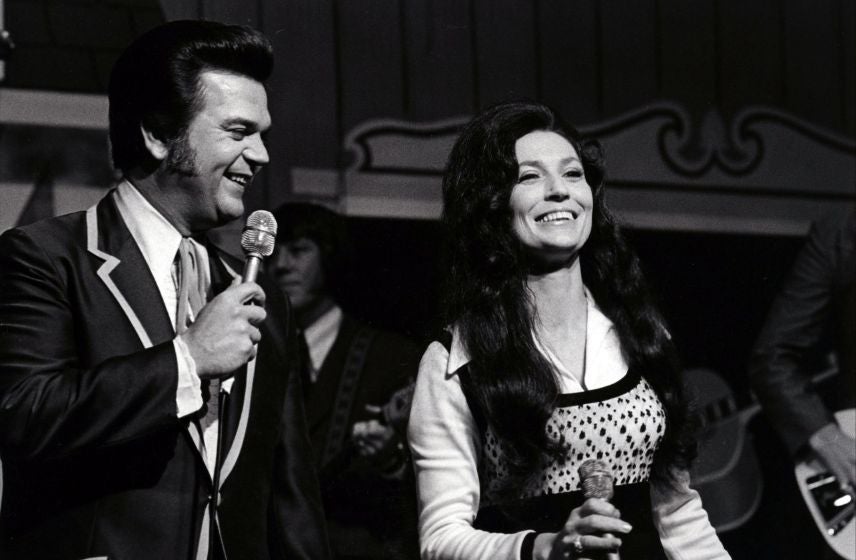
That trust allowed them to sing about marriage tension, regret, desire, reconciliation, and heartbreak without sounding melodramatic. Lesser performers might have turned those themes into performance. Conway and Loretta made them believable.
Even decades later, their music still feels less like nostalgia and more like emotional memory. Younger generations continue discovering their performances because authenticity never loses its power. Modern audiences may not fully relate to every rural setting or traditional relationship dynamic in their songs, but they instantly recognize emotional truth when they hear it.
And that is why the legacy of Conway Twitty and Loretta Lynn continues to endure.
Their connection was never built on trends, marketing, or image.
It was human.
In many ways, Loretta Lynn became the emotional conscience of classic Country Music, while Conway Twitty embodied its romantic vulnerability. Together, they created a balance of strength and softness that few duos in any genre have ever matched.
“Long after the applause faded, people remembered the feeling those two created together.”
The stage lights could illuminate it.
The music could amplify it.
But Conway Twitty and Loretta Lynn never needed to explain their connection.
Everyone could already feel it.