
Introduction:
For many people, Elvis Presley will forever be remembered as the King of Rock and Roll — the revolutionary force whose voice, electrifying stage presence, and undeniable charisma reshaped modern music. His influence is undeniable, his legacy immortal. Yet, beyond the glittering spotlight of sold-out concerts and screaming fans lies a dimension of Elvis that is too often overlooked: his remarkable talent as an actor.
While Hollywood frequently cast him in light musical roles designed to capitalize on his fame, Elvis possessed a depth that far exceeded those expectations. He was capable of delivering performances rich in vulnerability, subtlety, and emotional truth — qualities that distinguished him from many of his contemporaries. Among all his films, one stands above the rest as a testament to his true acting ability: King Creole.
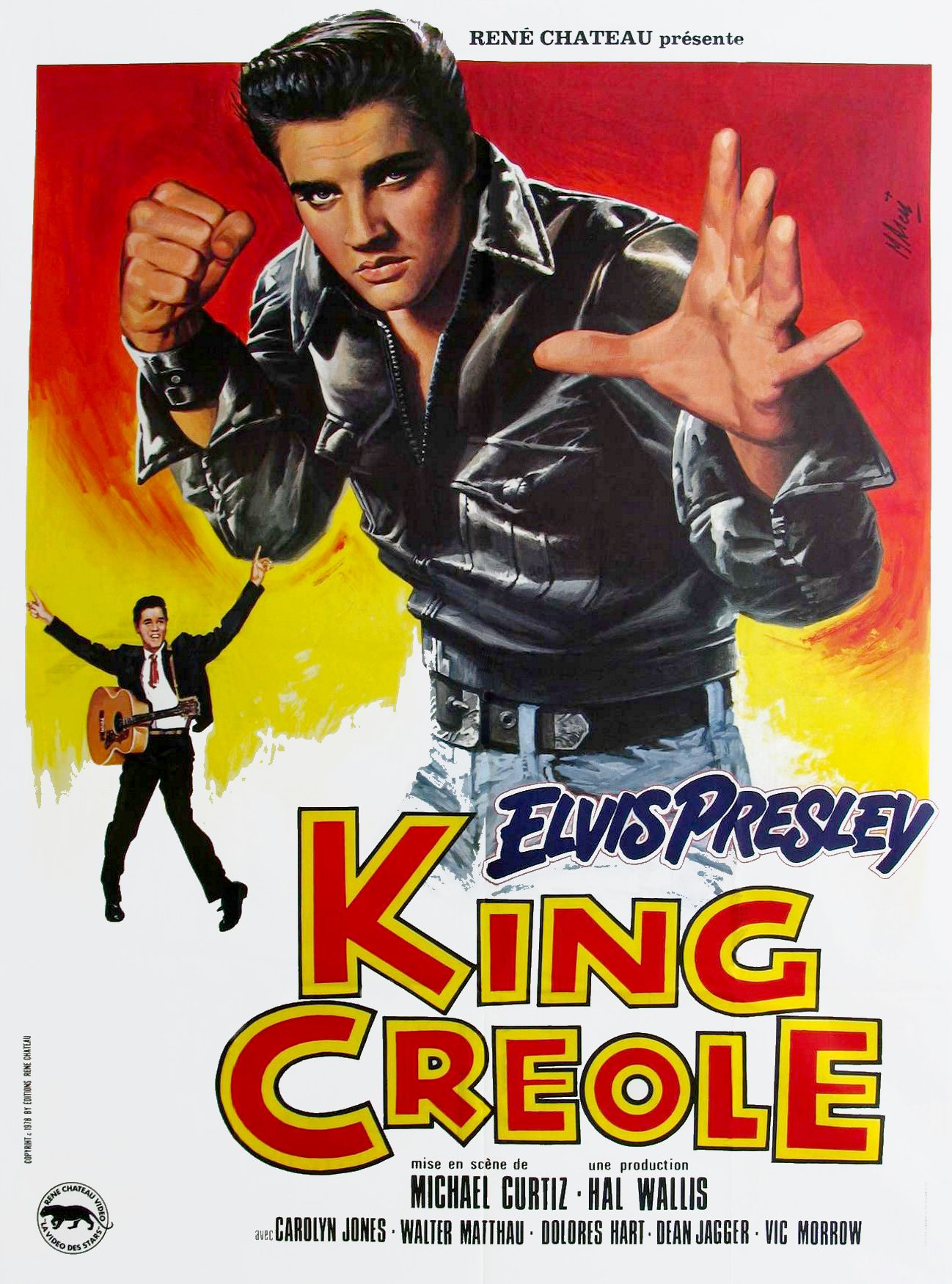
In King Creole, Elvis did not merely play a character — he embodied one. His portrayal of Danny Fisher is layered with pain, defiance, and longing. There is a rawness in his performance that feels strikingly authentic, as though the emotions were not acted but lived. Audiences are not simply watching a performance unfold; they are drawn into the inner world of a young man struggling against circumstance, identity, and expectation.
What makes this performance unforgettable is not just the dramatic moments, but the quiet ones. In the stillness between dialogue and song, Elvis reveals a profound emotional honesty. His eyes carry a quiet intensity — a window into vulnerability, pressure, and the weight of proving oneself in a world that often sees only the surface. It is in these moments that Elvis transcends celebrity and becomes something far more compelling: a true artist.
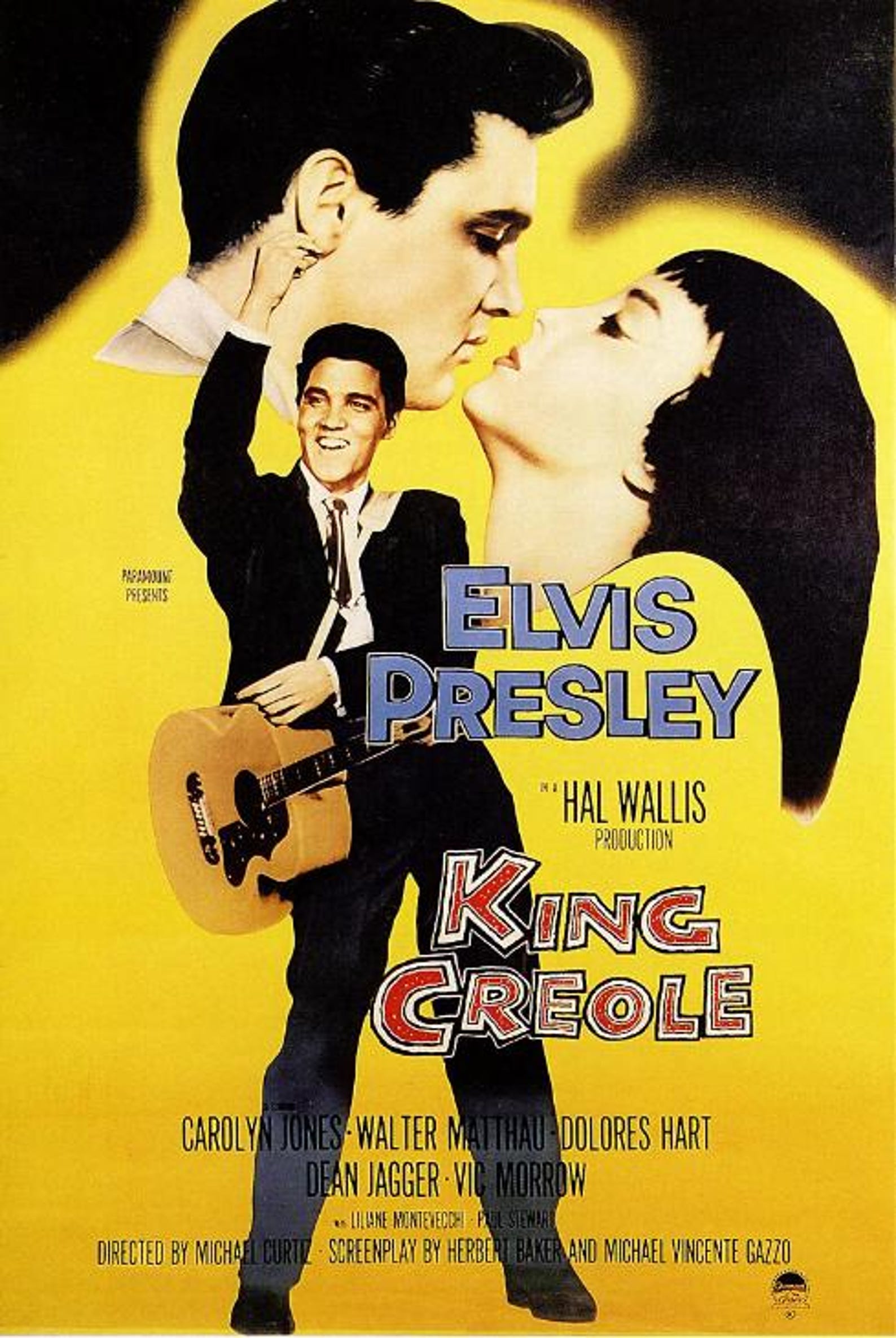
This authenticity is what sets him apart. Whether delivering a heartfelt line or singing a soulful ballad, Elvis never feels artificial. There is an organic quality to his presence — magnetic yet deeply human. At a time when Hollywood often favored polished perfection, Elvis brought something rarer: emotional sincerity. And it is precisely this sincerity that continues to resonate with audiences decades later.
Revisiting King Creole today, many viewers are surprised by how powerful the performance remains. Stripped of the noise of fame and legend, what emerges is an artist driven by a genuine desire to connect. Elvis did not seek only to entertain — he sought to be understood, and in doing so, helped audiences feel understood in return.
That is the essence of lasting greatness. Not just the ability to perform, but the ability to move people — to leave behind something real. In both music and film, Elvis Presley achieved exactly that.