
Introduction:
For decades, Robin Gibb stood as one of the most distinctive voices in modern music — haunting, emotional, and instantly recognizable. As a key member of the Bee Gees, he helped craft harmonies that would define generations. Yet behind the timeless songs and global acclaim was a deeply personal and devastating battle that unfolded far from the spotlight — a fight marked by resilience, faith, and extraordinary courage.
In the early 2010s, the world was shaken by news that Robin had been diagnosed with colorectal cancer. For fans, it was difficult to reconcile the image of a man whose voice seemed so enduring with the reality of such a serious illness. Robin had long symbolized artistic longevity, his presence intertwined with decades of success, making the diagnosis all the more shocking.
Despite this life-altering news, Robin refused to retreat from the very thing that defined him: music. Those closest to him described a man of remarkable determination — deeply spiritual, introspective, and unwavering in his commitment to his craft. Even as he underwent treatment, he continued writing, planning, and creating. Music was not just his career; it was his identity, his refuge, and his way of confronting the uncertainty ahead.

However, his health battle soon took a more dangerous turn. In 2012, Robin was hospitalized after developing pneumonia, a severe infection that rapidly weakened his already fragile condition. What followed was a critical moment that gripped fans around the globe: he fell into a coma as complications from both pneumonia and cancer intensified. Headlines described his condition as life-threatening, and an outpouring of support flooded in from admirers and fellow artists alike.
Then, in a moment that seemed almost miraculous, Robin briefly regained consciousness after several days in the coma. Doctors were surprised, and his family described deeply emotional scenes in which music appeared to reach him even in his weakened state. It was a powerful reminder of how inseparable he was from the art he had devoted his life to — as though melody itself remained a bridge between him and the world.
For a fleeting moment, hope returned.
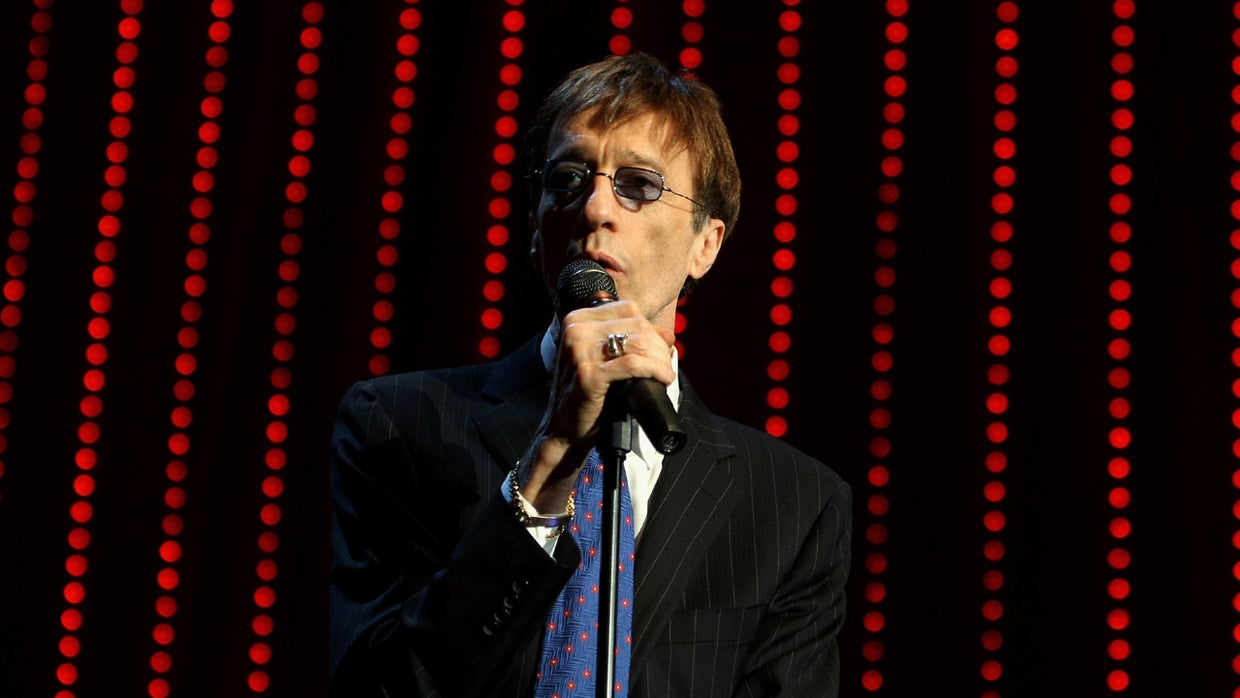
But the toll on his body proved overwhelming. Alongside cancer and respiratory complications, Robin began to suffer from kidney failure, further weakening his chances of recovery. Despite the tireless efforts of medical teams and the unwavering presence of his family, his condition continued to deteriorate.
On May 20, 2012, Robin Gibb passed away at the age of 62.
His death marked more than the loss of a legendary musician — it signaled the passing of a voice that had carried profound emotional depth across decades. Songs shaped by his unmistakable tone continue to resonate, capturing both vulnerability and strength in ways few artists ever achieve.
Today, his legacy endures not only through the music he left behind but through the story of his final years — a story of perseverance in the face of overwhelming odds. For millions, Robin Gibb remains more than a voice from the past. He is a symbol of artistic devotion and quiet bravery, a man who, even in life’s darkest chapter, never let go of the music that defined him.