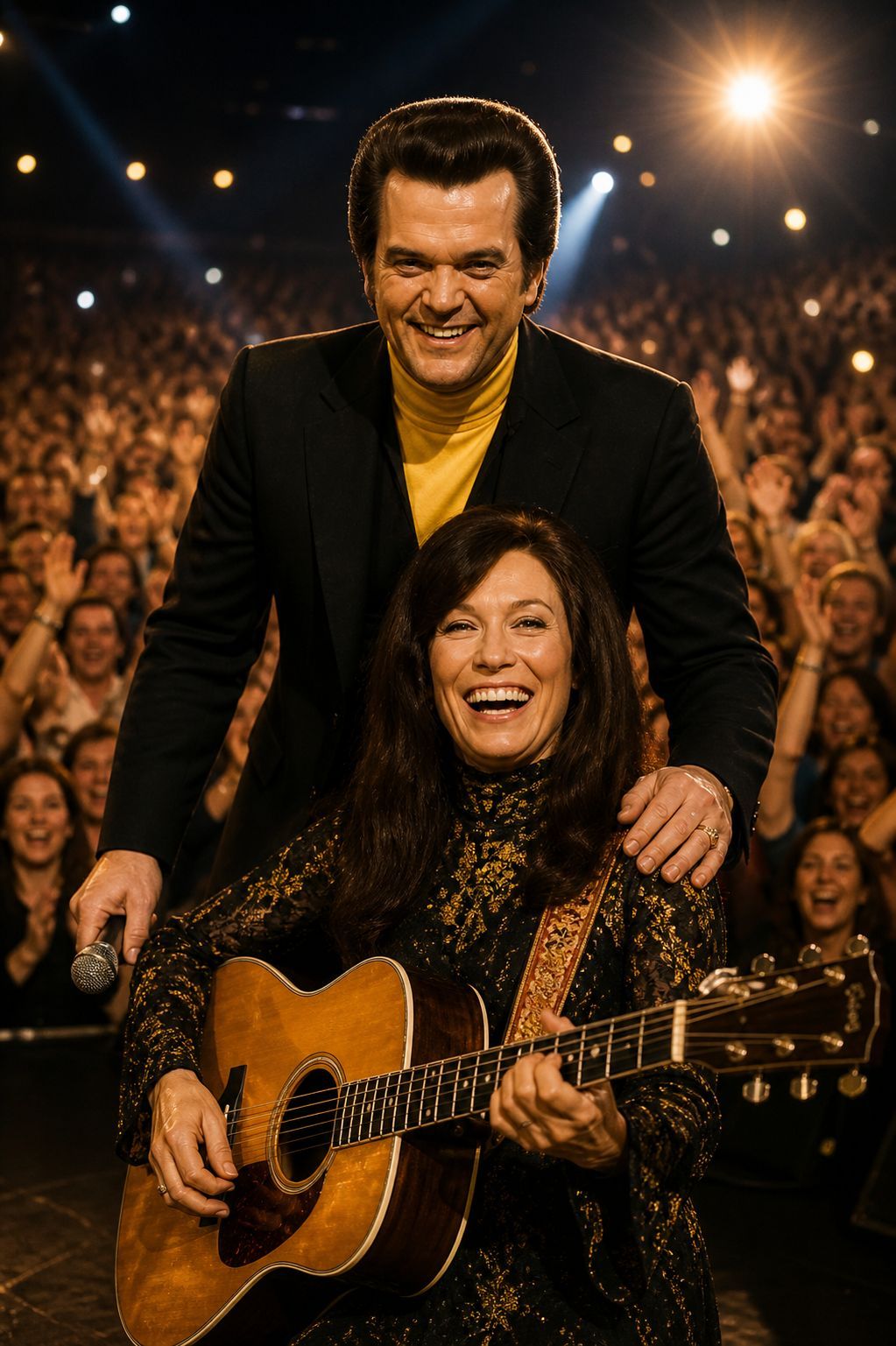
Introduction:
The Love Story Country Music Never Truly Recovered From
Why Conway Twitty and Loretta Lynn Still Feel Untouchable Today
Some duos make hit songs. Others create chemistry. But very few artists ever reach the level of emotional connection that Conway Twitty and Loretta Lynn created together.
Decades later, country music still hasn’t truly found another partnership that mirrors theirs. And that isn’t nostalgia talking. It is a structural reality of how their music was built.
Because what Conway Twitty and Loretta Lynn created was never just a commercial collaboration. It was emotional credibility—something far harder to manufacture than melody or marketing.
When Believability Became the Hook
When audiences first heard them together, the reaction wasn’t driven by perfection or technical brilliance. It came from recognition. Their voices didn’t feel staged—they felt lived in.

Their duets carried a rare sense of conversational realism:
- emotional tension without exaggeration
- vocal interplay that felt spontaneous
- storytelling that sounded experienced rather than performed
They didn’t sound like two artists recording separate lines layered together. They sounded like two people existing inside the same emotional moment.
That distinction is what set them apart.
Why Their Chemistry Felt So Human
A large part of their impact came from contrast.
Conway Twitty brought smoothness, warmth, and controlled emotional depth. Loretta Lynn brought directness, clarity, and an unfiltered sense of lived experience. Individually, each was compelling. Together, they created friction—and friction is what gives storytelling its energy.
Their songs often explored difficult emotional territory: complicated love, misunderstandings, loyalty tested by temptation, and vulnerability hidden behind pride. But they rarely overplayed these themes. Instead, they trusted restraint.
A pause carried meaning.
A breath shifted tension.
A slight hesitation revealed more than lyrics could.
That subtlety is why the performances still feel alive today.
Why Their Music Hasn’t Aged
From a structural standpoint, their recordings remain timeless because they prioritized human interaction over production trends.
Many older duets feel locked into the sound design of their era. In contrast, Conway and Loretta focused on elements that don’t expire:
- vocal dialogue instead of static harmony
- conversational pacing
- emotional realism over arrangement complexity
These choices made their music resistant to time. New listeners often discover them and react with surprise—not because the songs feel old, but because they don’t.
The Psychology Behind Their Appeal
Their duets worked because they reflected emotional situations people already understood. Not fantasy, but contradiction. Not ideal romance, but real relationship complexity.
Their songs acknowledged frustration alongside affection, distance alongside intimacy, and disagreement inside love itself. That honesty created trust. Audiences didn’t just listen—they believed.
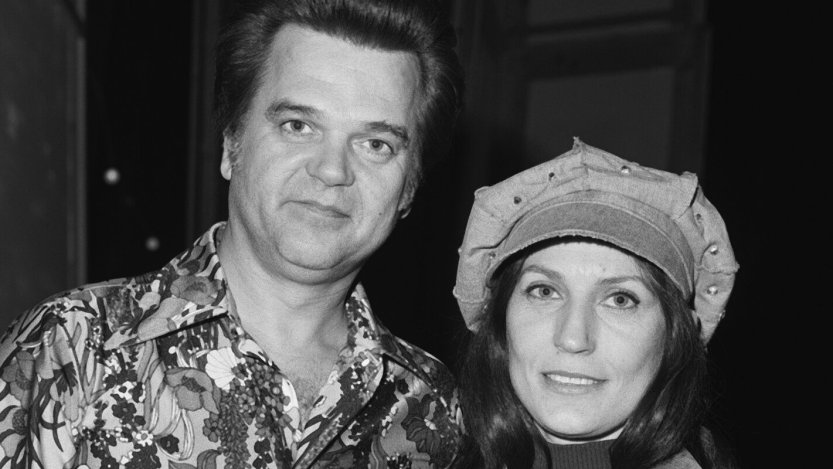
Why Country Music Still Searches for Their Equal
Modern country continues to produce collaborations, but many are designed for timing, branding, or short-term appeal. What Conway and Loretta represented was different: long-term emotional compatibility expressed through music.
Their partnership felt less like a project and more like an ongoing conversation—one that unfolded song after song.
That kind of artistic alignment is rare. Possibly irreplaceable.
The Legacy They Left Behind
Their influence permanently reshaped how country duets are written and heard. Before them, harmony was often enough. After them, audiences expected interaction, tension, and emotional realism between voices.
They raised the standard without announcing it.
And that is why their music still endures. Not because it belongs to the past—but because it continues to feel emotionally present.
Trends fade. Production styles evolve. But emotional truth—when it is captured honestly—does not age.