
Introduction:
In 1968, Loretta Lynn stood firmly at the forefront of country music as an artist unafraid to confront life’s most delicate and often controversial realities. At a time when many performers played it safe, Lynn leaned into subjects others avoided—motherhood, infidelity, hardship, and even death—delivering them with an honesty that resonated deeply with her audience. Her fearless storytelling became her signature, and it was once again on full display in her eleventh studio album, Who Says God Is Dead.
This record marked a distinctive moment in Lynn’s career, offering a collection of spiritually driven songs infused with her unmistakable vocal warmth and sincerity. Among its most poignant tracks is I’m Getting Ready to Go, a deeply moving composition written by Lynn herself. The song stands as a testament to her ability to transform complex emotions into something both accessible and profoundly comforting.
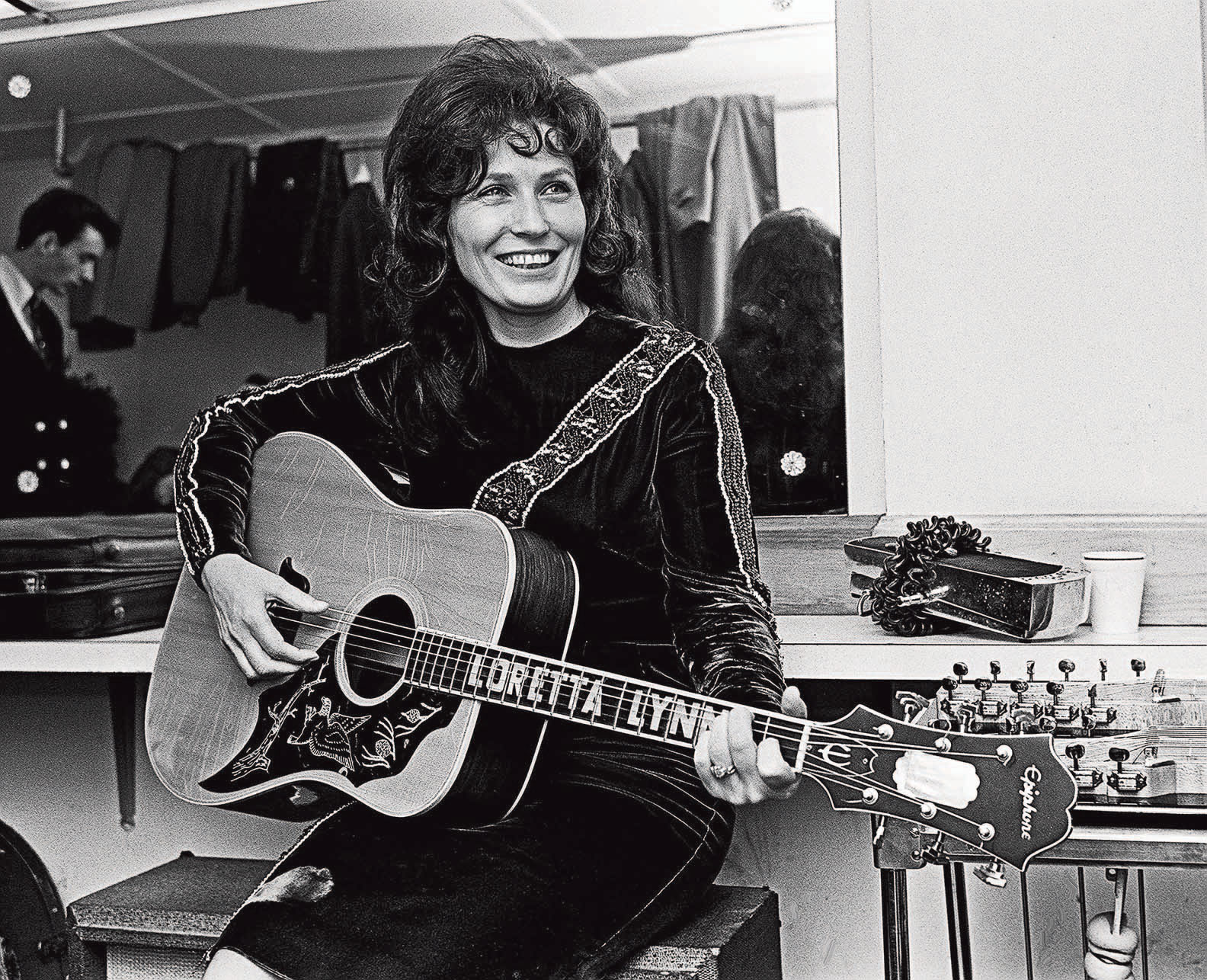
At its core, “I’m Getting Ready to Go” explores a paradox that few artists have captured so gracefully—the quiet joy and peace a person can feel even when facing the certainty of death. Rather than framing mortality as something to fear, Lynn presents it as a transition, a passage toward something greater. Her lyrics reflect a steadfast faith, rooted in the belief that earthly struggles are temporary, and that a heavenly home awaits beyond them.
Lynn’s delivery elevates the message even further. Her voice, rich and earthy, carries a sense of lived experience—one that cannot be manufactured. There is no theatricality here, no overstatement; instead, there is calm assurance. She sings not as someone speculating about faith, but as someone who fully inhabits it. In doing so, she invites listeners to share in that sense of peace, offering reassurance that even in the face of life’s greatest uncertainty, hope remains.
The spiritual foundation of the song draws heavily from Christian belief, particularly the idea of eternal life made possible through the resurrection of Christ. For Lynn, this was not merely a theological concept but a deeply personal conviction. It shaped her music and allowed her to connect with audiences on a level that went far beyond entertainment. Songs like this became a source of comfort, especially for those navigating grief, loss, or hardship.

Despite the emotional depth and sincerity of the album, Who Says God Is Dead did not achieve significant commercial success upon its release. No singles were issued, and the album peaked modestly at No. 44 on the Billboard Hot Country Albums chart. Yet, its impact cannot be measured solely by numbers. Over time, the album has come to be appreciated for its authenticity and spiritual resonance.
Other tracks on the album, including The Old Rugged Cross, I Believe, In the Garden, and Mama, Why?—the latter featuring her son Ernest Ray Lynn—further reinforced the album’s reflective and devotional tone.
Looking back, “I’m Getting Ready to Go” stands as a powerful reminder of Lynn’s unique artistry. She did not simply sing songs—she told truths, embraced vulnerability, and offered comfort where it was most needed. In a world often uneasy with discussing mortality, Loretta Lynn faced it head-on, transforming it into a message of hope, faith, and quiet, unwavering joy.