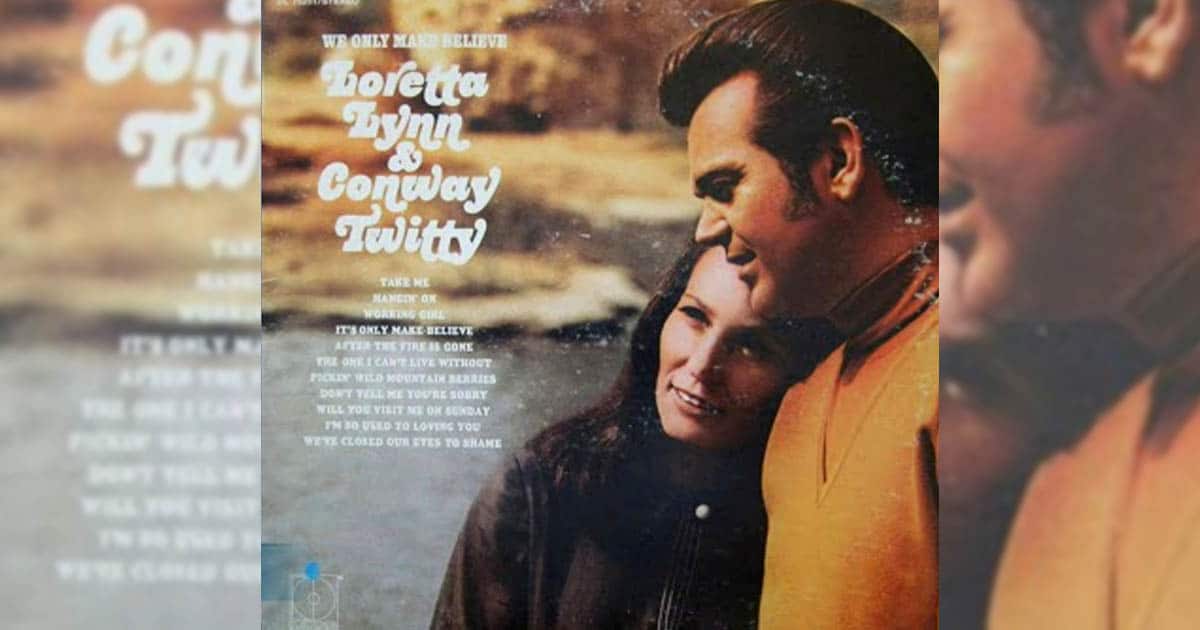
Introduction:
Few duets in country music carry the emotional weight and timeless chemistry of “After the Fire Is Gone,” a song that marked a defining moment for both Conway Twitty and Loretta Lynn. Written by L.E. White, the track was released on January 4, 1971, as the lead single from their first collaborative album, We Only Make Believe. What followed was not just a chart-topping success, but the birth of one of the most compelling partnerships in country music history.
From the very first note, Twitty’s rich, velvety baritone wraps around the listener with a sense of intimacy and depth, while Lynn’s unmistakable, sharp-edged country drawl cuts through with emotional clarity. Together, they create a vocal contrast that feels both natural and electrifying. It’s this balance—his smoothness against her grit—that transforms “After the Fire Is Gone” into more than just a duet; it becomes a lived-in story, full of tension, longing, and unspoken truths.

The song quickly resonated with audiences. It climbed to the top of the Billboard Hot Country Singles chart, where it held the No. 1 position for two weeks. Beyond the United States, it reached No. 4 on the Canadian RPM Country Tracks chart and even crossed over to the Billboard Hot 100, peaking at No. 56. Its impact was further cemented when Twitty and Lynn won Best Country Performance by a Duo or Group with Vocal at the Grammy Awards—a recognition that validated both the song’s artistry and its cultural significance.
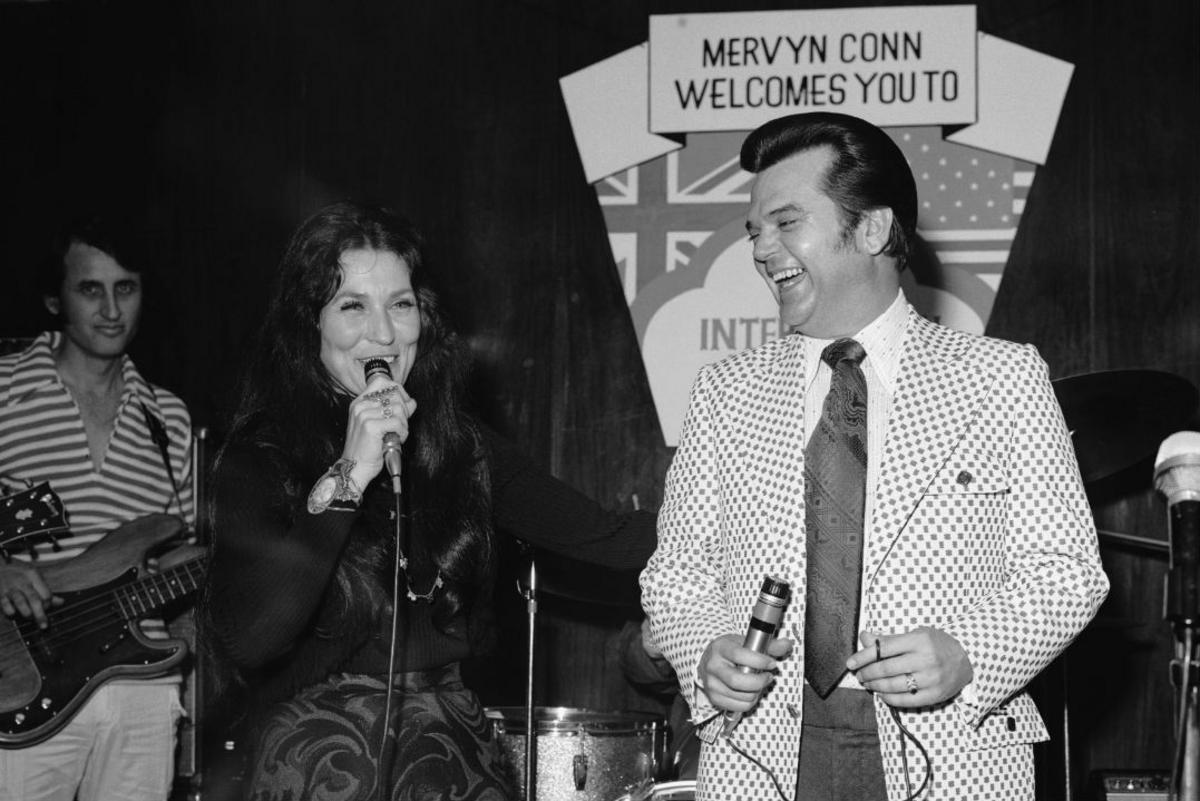
What made the performance so captivating, however, was not just the technical excellence, but the believable chemistry between the two artists. Despite persistent rumors, Lynn later clarified in a 2010 interview with NPR that their connection was purely professional. Still, as even Rolling Stone once noted, the passion in their performance was so convincing that it felt real. Their voices, carried by the mournful cry of a steel guitar, painted a vivid picture of a relationship teetering between desire and consequence.
At its core, “After the Fire Is Gone” tells a story of forbidden love—two individuals drawn together not by circumstance, but by emotional absence elsewhere. Lyrics like “Your lips are warm and tender; your arms hold me just right” reveal a yearning that neither can deny. The line “Each time we say it’s the last time but we keep hangin’ on” captures the internal conflict perfectly: a battle between knowing what’s right and chasing what feels right.
The phrase “when you find no love at home” hints at deeper dissatisfaction, suggesting that both characters are seeking solace in each other’s arms because something essential is missing in their lives. It’s a narrative that is as uncomfortable as it is relatable—exploring themes of loneliness, temptation, and emotional survival.
Over the years, the song has been reinterpreted by artists such as Willie Nelson and Tanya Tucker, proving its lasting influence. Yet, no version quite captures the raw, magnetic pull of the original.
“After the Fire Is Gone” remains a cornerstone of country music storytelling—a duet that doesn’t just entertain, but invites listeners into a deeply human moment.