Introduction:
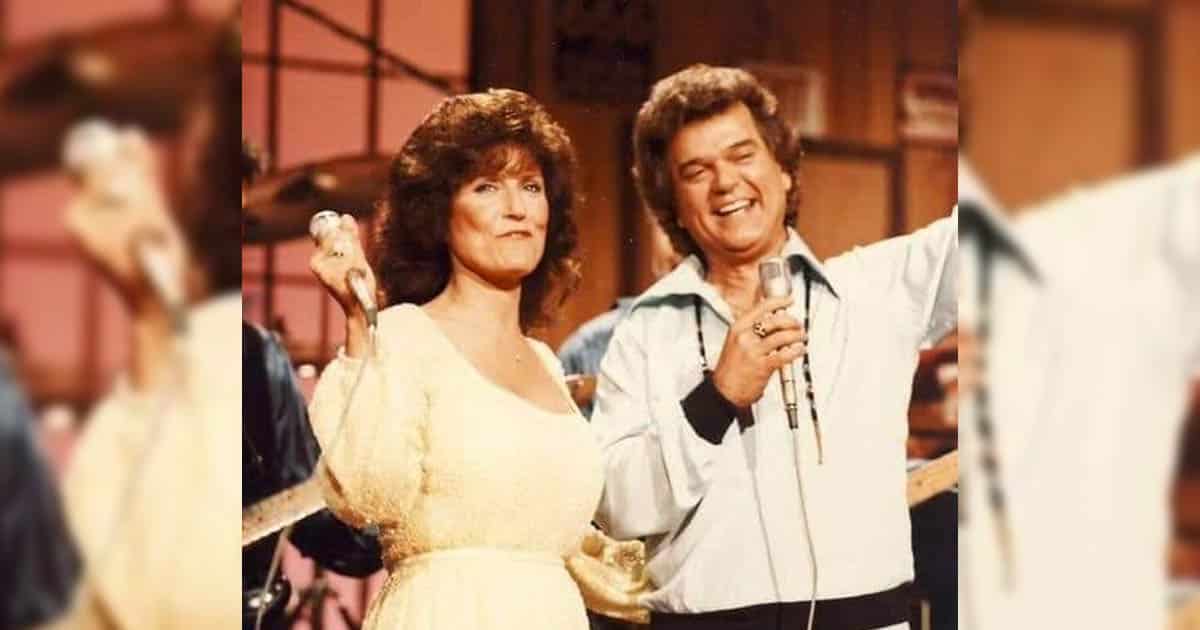
In the golden era of country music, few partnerships burned as brightly—or as intriguingly—as that of Conway Twitty and Loretta Lynn. Long before they ever shared a microphone, both artists had already carved out legendary solo careers, dominating the charts and redefining the genre in their own distinct ways. Yet when they finally joined forces in the early 1970s, they didn’t just collaborate—they reshaped the very fabric of country duets.
By the late 1960s, Conway Twitty had already transitioned from his rock ’n’ roll roots into a commanding presence in country music. His velvety voice and emotional delivery found their perfect expression in hits like Hello Darlin’, a track that would become synonymous with his name. At the same time, Loretta Lynn was captivating audiences with songs drawn from a life story so raw and authentic it felt almost mythical. Known widely for Coal Miner’s Daughter, Lynn gave voice to working-class struggles and triumphs, forging a deep and lasting bond with her fans.

Then came 1971—a turning point not just for the two artists, but for country music itself. With the release of After the Fire Is Gone, Twitty and Lynn introduced a chemistry that was impossible to ignore. The song soared to No. 1, igniting a partnership that would produce a string of unforgettable hits, including Lead Me On. Their voices, distinct yet perfectly complementary, seemed to weave together stories of love, heartbreak, and temptation with an authenticity that resonated deeply with listeners.
Two years later, the duo reaffirmed their magic with Louisiana Woman, Mississippi Man, a lively and passionate track that further cemented their status as country royalty. Over the course of eleven studio albums, they achieved remarkable success, including four No. 1 country albums. Their influence extended beyond charts and sales—between 1972 and 1975, they were named Vocal Duo of the Year by the Country Music Association, a testament to their undeniable impact. Their collaboration even played a role in Lynn becoming the first woman to win Entertainer of the Year at the CMA Awards in 1972.
Much of their music explored the complexities of relationships—often delving into heartbreak, forbidden love, and emotional conflict. On stage, their connection was electric, blurring the line between performance and reality. It was this palpable chemistry that fueled widespread speculation among fans. Rumors swirled for years, with many wondering if their onstage passion reflected a deeper, real-life romance.

But Lynn was always clear in setting the record straight. Their bond, she explained, was rooted in deep friendship and mutual respect—not romance. Her candid reflections revealed a relationship built on trust, admiration, and shared artistry, rather than anything more sensational.
Tragically, their story was cut short in 1993 when Conway Twitty passed away at the age of 59 due to complications from surgery. His death marked the end of an era, leaving behind a legacy that continues to echo through country music history.
Today, decades later, the memory of their partnership remains vivid. Loretta Lynn, reflecting on their time together, has shared heartfelt tributes, including rare photographs that capture moments of genuine joy and companionship. These glimpses into their offstage lives confirm what their music always suggested: that while their love songs may have told stories of complicated romance, their real connection was something just as powerful—a rare and enduring friendship that helped define a generation of country music.