
Introduction:
In 2026, Barry Gibb stands as the last surviving cornerstone of the legendary Bee Gees, a living bridge to one of the most influential musical dynasties of the twentieth century. His presence represents far more than nostalgia—it embodies an era defined by songwriting brilliance, cultural transformation, and emotional storytelling that shaped generations of listeners worldwide. To reflect on Barry Gibb’s journey is not simply to remember a band, but to honor a life devoted to melody, memory, and meaning.
Born in 1946 on the Isle of Man and raised in Manchester before relocating to Australia, Barry’s early life was marked by humble beginnings and an extraordinary creative bond with his younger brothers, Robin Gibb and Maurice Gibb. Music was not a distant dream; it was the family’s shared language. Long before international fame, the Gibb brothers performed in small venues, honing the harmonies that would later become instantly recognizable. Those formative years forged not only a musical partnership but a deep emotional unity that would define the Bee Gees’ unmistakable sound for decades.

When the group rose to prominence in the late 1960s, their songwriting quickly set them apart. Barry emerged as the principal creative architect, crafting melodies that balanced vulnerability with strength. Songs like To Love Somebody and Massachusetts revealed a rare sensitivity that resonated across continents. Rather than chasing trends, the Bee Gees created music rooted in universal emotion—songs that allowed listeners to recognize fragments of their own lives within each lyric and note.
The 1970s marked a defining transformation. As disco surged onto the global stage, the Bee Gees became its most iconic architects through their work on Saturday Night Fever. Barry’s soaring falsetto, paired with layered harmonies and rhythmic precision, gave rise to timeless hits that dominated charts worldwide. Yet beneath the glitter and commercial success, Barry remained, at heart, a storyteller—one who prioritized emotional connection over spectacle, ensuring that even their most dance-driven tracks carried a deeper resonance.
Behind the public triumphs lay profound personal bonds. Barry’s relationship with his brothers was complex but anchored in love and creative interdependence. Each brother contributed a distinct musical voice, while Barry often served as the steady force guiding their collective vision. Together, they navigated evolving musical landscapes, public scrutiny, and the relentless pressures of global fame, always returning to the shared purpose that first united them: the music.
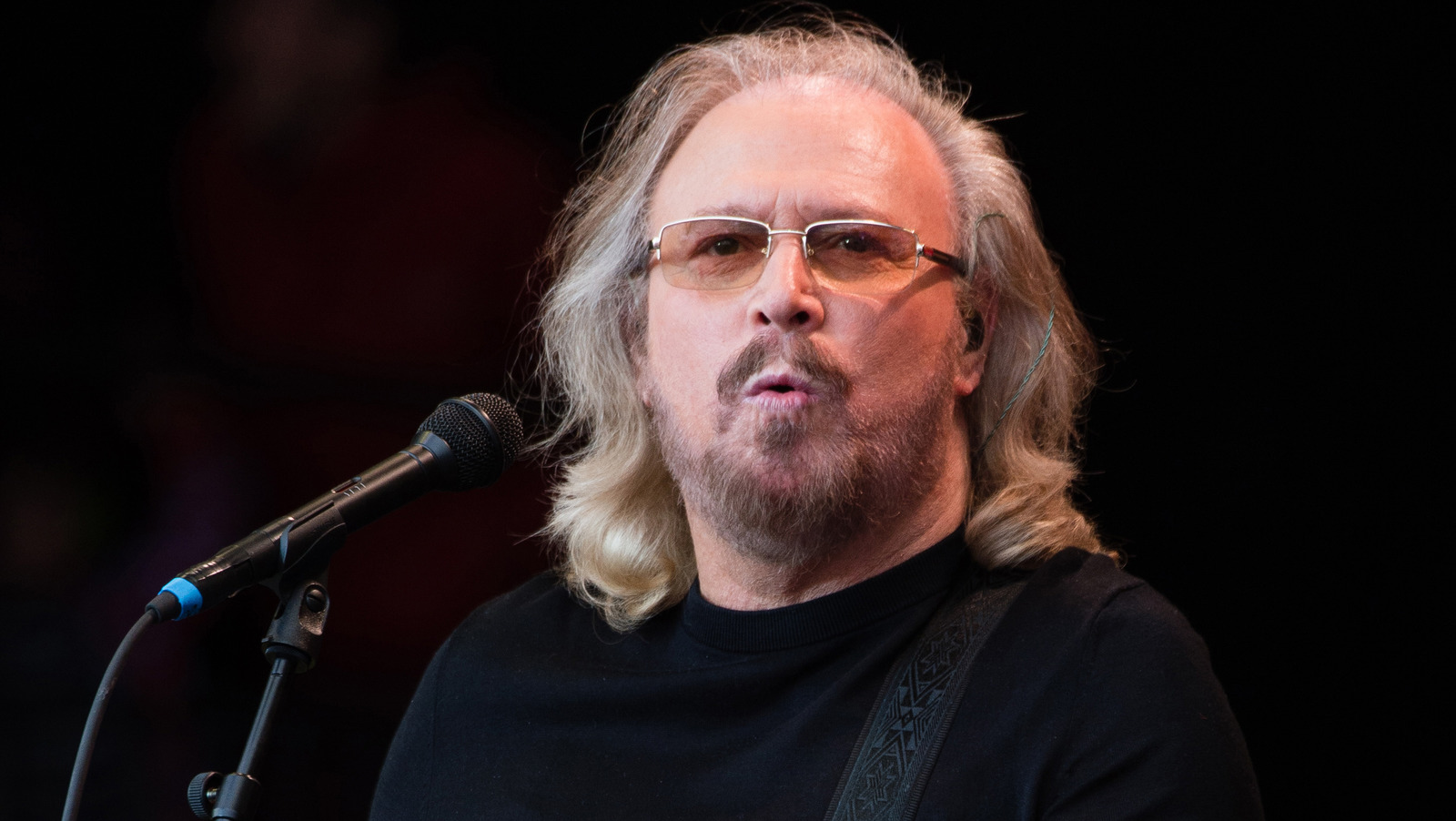
The later chapters of the Bee Gees’ story were marked by deep loss. The passing of Maurice Gibb and Robin Gibb transformed Barry into the sole living custodian of their extraordinary legacy. Rather than retreating from the spotlight, he embraced a quiet but powerful responsibility—to preserve and carry forward the music they created together. In performances and reflections, he speaks not only as an individual artist but as the voice of a shared history that transcends any single lifetime.
What makes Barry Gibb’s legacy truly enduring is the universality of the songs he helped bring to life. Classics such as How Deep Is Your Love and Stayin’ Alive continue to resonate across generations, finding renewed meaning in films, television, and personal soundtracks around the world. Their emotional clarity allows them to transcend time, speaking to listeners who may not even know the stories behind the melodies they cherish.
As 2026 unfolds, Barry Gibb’s continued presence feels both comforting and symbolic. He stands as a reminder that true musical legacy is built on authenticity, collaboration, and emotional truth. As the last living legend of the Bee Gees, he carries forward not only the memory of his brothers, but the timeless spirit of their music—proof that great songs never truly fade; they simply find new hearts, new voices, and new moments in which to live again.