Introduction:
Few artists in country music have managed to bridge sincerity and commercial success as seamlessly as Conway Twitty. Among his many achievements, his rendition of “I May Never Get To Heaven” stands as a testament to his ability to reinterpret a song and elevate it into something timeless. Released in 1979 as the second single from his album Cross Winds, the track quickly captured the hearts of listeners, becoming his 22nd No. 1 hit on the Billboard US Hot Country Songs chart. It held the top position for a full week and remained on the chart for ten weeks—a clear indication of its widespread appeal.
What makes “I May Never Get To Heaven” particularly compelling is its rich musical lineage. The song was originally written by Bill Anderson and Buddy Killen, two respected figures in the industry known for their emotional depth and storytelling. It was first recorded in 1960 by Don Gibson, whose version carried a gentle, heartfelt tone that perfectly suited the era’s traditional country sound. Years later, the legendary Aretha Franklin brought her own interpretation to the song, infusing it with a powerful gospel influence that added a new layer of emotional intensity.

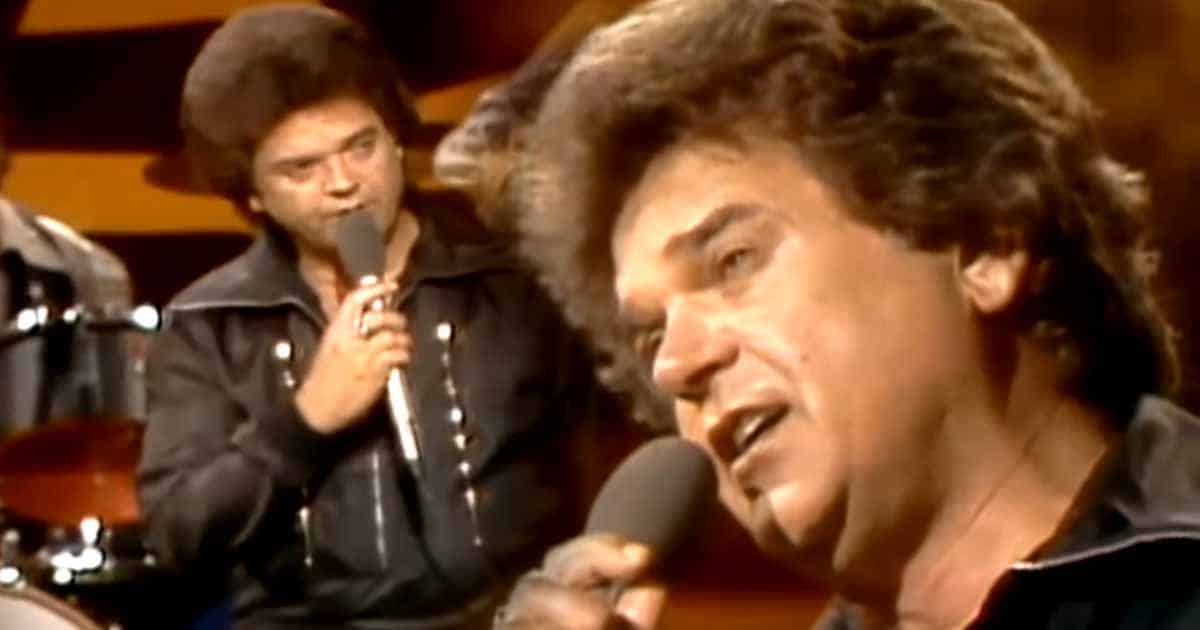
Yet, it was Conway Twitty’s version that ultimately defined the song for a new generation. By returning the piece to its country roots while incorporating his signature vocal style, Twitty created a rendition that felt both authentic and refreshed. His unmistakable twang, combined with a controlled yet deeply expressive delivery, allowed the song’s emotional core to resonate more profoundly with listeners. Rather than overcomplicating the arrangement, he let the melody and lyrics breathe, giving space for the story to unfold naturally.
Twitty’s interpretation struck a delicate balance between vulnerability and strength. The song’s theme—reflecting on love, longing, and the possibility of redemption—was delivered with a quiet confidence that only a seasoned artist could achieve. It is no surprise that Buddy Killen himself expressed great enthusiasm upon hearing Twitty’s version. According to Killen, Twitty performed the song exactly as he had envisioned when it was first written: emotional, sincere, and ultimately inspiring.

This success was not an isolated moment in Twitty’s career but rather part of a broader legacy. With a remarkable string of chart-topping hits, he solidified his place as one of the most influential figures in country music history. His ability to consistently connect with audiences—whether through original recordings or carefully chosen covers—set him apart in an industry that constantly evolves.
“I May Never Get To Heaven” remains a shining example of how a great song can transcend time when placed in the right hands. Through Conway Twitty’s voice, it was not merely revived—it was reborn. Even decades later, the track continues to echo with the same emotional clarity and timeless appeal, inviting listeners to rediscover its beauty with every play.