Introduction:
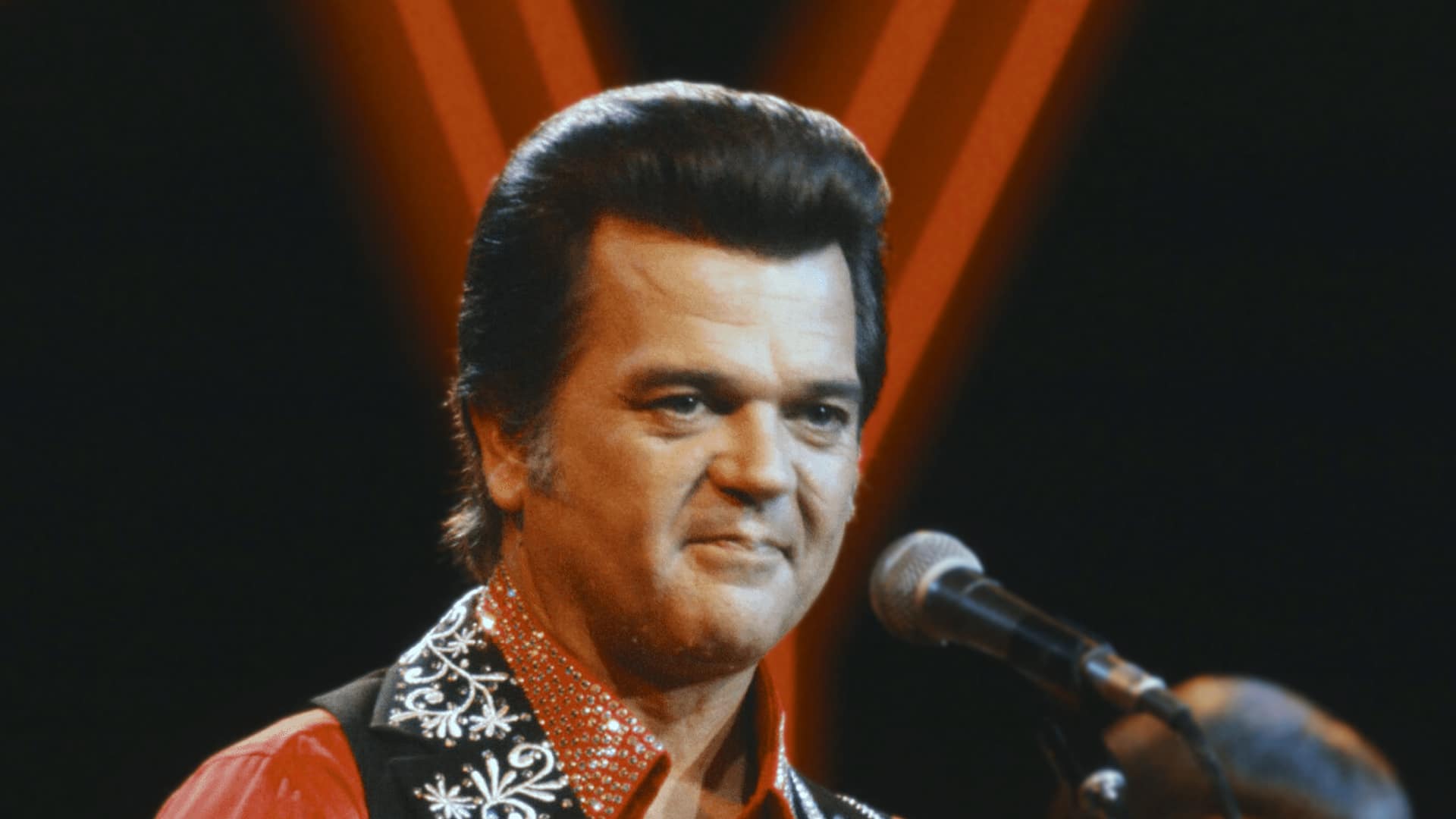
There are voices you remember—and then there are voices that stay with you, long after the music fades. Conway Twitty belonged to the latter. There’s only one man who could make two simple words feel like both a love letter and a gut punch at the same time. And on this day in 1993, the world lost him—but not the legacy he left behind.
He wasn’t just a country singer. Conway Twitty was a force of nature—a genre-defining, boundary-breaking hitmaker whose career didn’t just evolve, it conquered. Inspired early on by the seismic impact of Elvis Presley, Twitty began his journey chasing rock and roll dreams. But where others might have stayed in one lane, he pivoted—decisively and brilliantly—into country music, and in doing so, he didn’t just join the genre. He owned it.
Born Harold Jenkins, he crafted the name “Conway Twitty” by blending two towns—Conway, Arkansas, and Twitty, Texas—into something as memorable as his voice. His 1958 smash hit “It’s Only Make Believe” didn’t just top the Billboard Hot 100—it sparked rumors that the singer behind the mic might secretly be Elvis himself. With slicked-back hair and a voice that could melt even the coldest room, Twitty had already begun carving out a sound that was unmistakably his own.

Country radio didn’t immediately roll out the red carpet. He didn’t quite fit the mold they were used to promoting. But Twitty didn’t wait for permission. By 1968, “Next In Line” hit No. 1, and the floodgates opened. Then came “Hello Darlin’”—a song he had written years earlier and nearly forgotten. That track didn’t just become a hit; it became a signature. Conway didn’t simply perform songs—he inhabited them. Every lyric felt personal, every note deliberate.
And when it came to duets, few partnerships in music history could rival his chemistry with Loretta Lynn. Together, they turned songs like “After the Fire Is Gone” and “Louisiana Woman, Mississippi Man” into living, breathing stories. Their voices didn’t just harmonize—they sparked. It was raw, authentic country music, delivered without pretense.

Offstage, Twitty’s work ethic became just as legendary as his voice. For 36 consecutive years, he toured relentlessly without missing a single show. While others might have rushed offstage, he stayed—meeting fans, shaking hands, showing gratitude. No theatrics, no ego—just respect for the audience that stood by him.
On June 4, 1993, after a performance in Branson, Missouri, Conway collapsed on his tour bus. The next morning, he passed away from an abdominal aortic aneurysm at just 59 years old. He was still in his prime, still commanding the stage like a man who had something left to prove.
Today, it’s difficult to find an artist who embodies that same blend of consistency, humility, and emotional depth. Conway Twitty didn’t follow trends—he set them. His music didn’t just entertain; it connected, it comforted, it lingered.
There’s a reason why, decades later, people still turn up “Hello Darlin’” when nostalgia hits hardest. Because Conway had a rare gift—he made heartbreak feel sacred, and love feel enduring.
And more than thirty years later, one truth remains undeniable: nobody’s done it better.