Introduction:
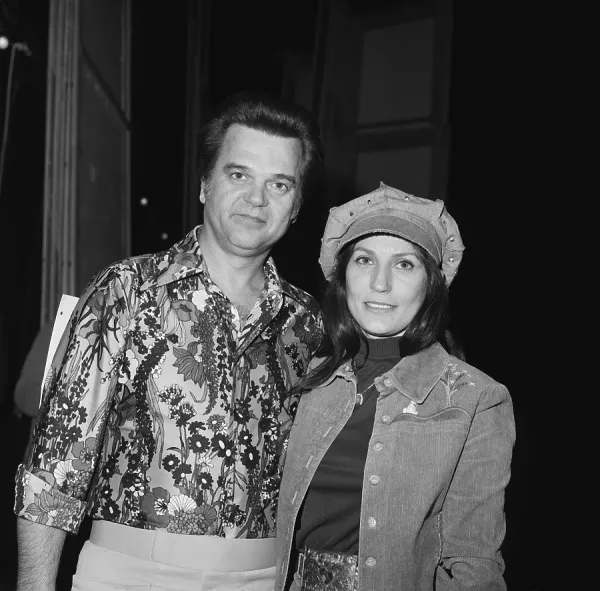
For decades, country music fans have returned to the timeless duets of Conway Twitty and Loretta Lynn with the same lingering question: was there something more between them than music? Their performances felt too real, too emotionally charged to be merely professional. The glances, the pauses, the way their voices intertwined — it all suggested a deeper, perhaps unspoken connection.
Yet the truth, while far from scandalous, carries a meaning that is far more profound — and far more enduring.
During the golden age of classic country music, few partnerships resonated with the same authenticity as Conway and Loretta standing side by side. They didn’t just sing together; they communicated. Each lyric felt lived-in, each harmony carried the weight of shared experience. To audiences, especially those raised on storytelling-driven country traditions, their performances felt less like entertainment and more like witnessing a private conversation unfold in real time.
But behind that undeniable chemistry was not romance. It was something rarer — trust, respect, and an almost telepathic artistic understanding.
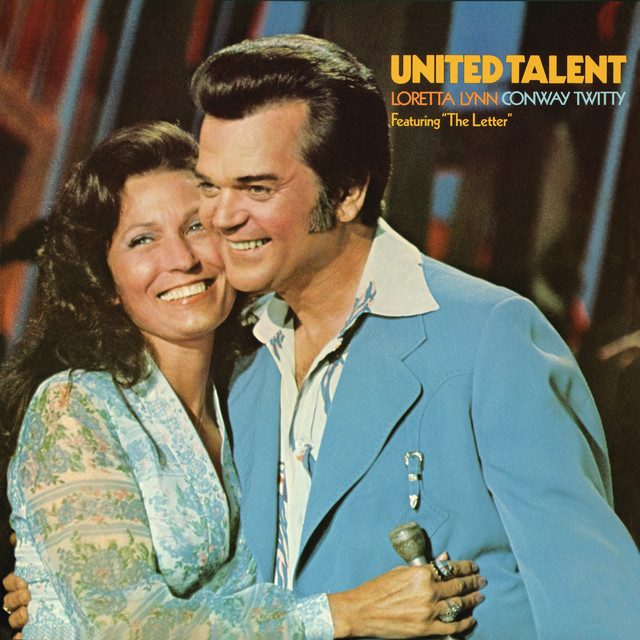
By the time their collaboration took off in the early 1970s, both artists were deeply grounded in their personal lives. Loretta Lynn had been married to Oliver “Doolittle” Lynn since 1948, a relationship that profoundly shaped her songwriting and public persona. Conway Twitty, likewise, was devoted to his own family and maintained a clear boundary between his stage presence and private life. There was no hidden affair, no secret heartbreak fueling their duets — only a professional partnership built on shared values and mutual admiration.
What made their collaboration extraordinary was their ability to express emotional intimacy without crossing into personal entanglement. Songs like After the Fire Is Gone and Louisiana Woman, Mississippi Man demanded vulnerability, tension, and authenticity. Rather than simply performing these emotions, Conway and Loretta embodied them. They understood that country music, at its core, is storytelling — not just sung, but felt. And in every note, they invited listeners into those stories as if they were their own.
Loretta Lynn addressed the rumors many times over the years, always with warmth and sincerity. She described Conway not as a romantic partner, but as a brother in music — someone who instinctively understood her voice, her phrasing, and her emotional rhythm. Perhaps even more telling, her husband fully supported the partnership, recognizing that what audiences perceived as chemistry was, in fact, the result of genuine artistry.

This is precisely why their legacy continues to endure. In a world that often confuses chemistry with controversy, Conway Twitty and Loretta Lynn offered a powerful reminder: creative intimacy does not require romantic involvement. Their bond was built on professionalism, emotional intelligence, and a shared dedication to honoring the storytelling tradition of country music.
Their story is not one of forbidden love, but of artistic truth. It is about two masters who trusted each other enough to explore the deepest corners of human emotion through song — and in doing so, created moments that still resonate with listeners decades later.
Because sometimes, the most powerful love stories in music are not about romance at all. They are about friendship, respect, and the rare magic that happens when two voices find the same truth — and dare to share it with the world.