INTRODUCTION
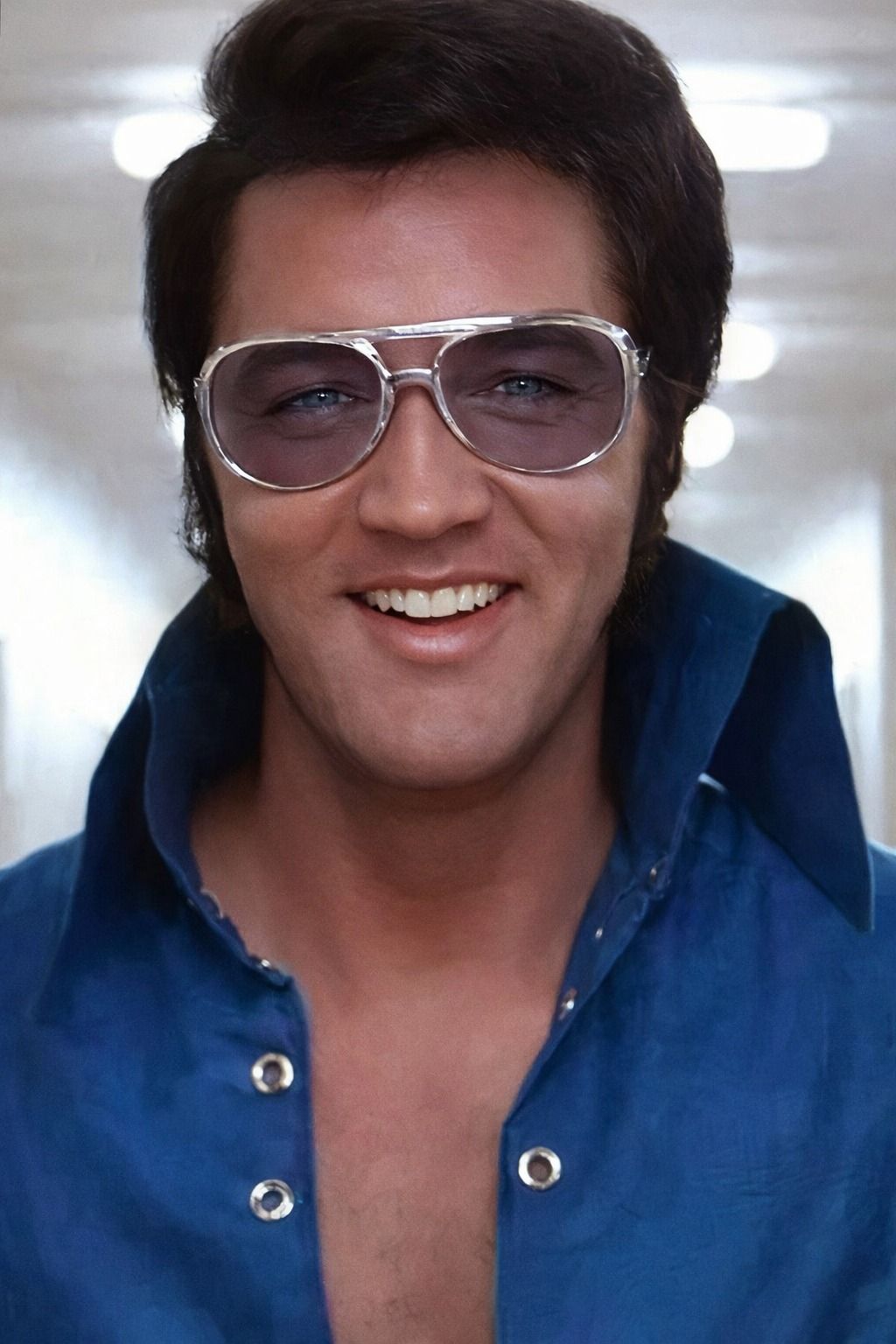
“The most famous person in the world at 21; dead at 42.” The sentence feels stark, almost too brief to hold the enormity of a life like Elvis Presley. Yet within those few words lives the outline of a journey that moved with breathtaking speed, intensity, and consequence. It is a life that still invites reflection not because of spectacle alone, but because it tells a deeper story about talent, pressure, faith, and the fragile human being behind the legend.
Born into modest circumstances in the American South, Elvis did not set out to become a symbol. He was simply a young man shaped by gospel hymns, country storytelling, and the emotional honesty of blues. When his voice first reached the airwaves, it carried something familiar yet startlingly new. It spoke to longing and hope in equal measure, and listeners felt it instantly. By twenty-one, the world had crowned him a phenomenon. Stages shook, radios blared, and a generation suddenly recognized itself in the sound of his voice.
What made that rise so powerful was not only the energy of the performances, but the sincerity beneath them. Elvis sang as if he believed every word mattered. His phrasing carried tenderness even in moments of excitement, and his timing revealed an instinctive understanding of emotion. Audiences did not merely watch him; they felt accompanied by him. In an era searching for identity and freedom, his music offered both permission and comfort.
Yet fame, arriving so swiftly, reshaped his life in ways no young person could fully prepare for. As records topped charts and films filled theaters, the demands multiplied. Schedules grew tighter, expectations heavier. Still, amid the whirlwind, Elvis often returned to the music that grounded him. Gospel songs were not a performance choice for him; they were a refuge. Late at night, away from flashing lights, he found steadiness in harmonies that connected him to family, faith, and a simpler sense of belonging.
As the years progressed, his artistry matured. The voice deepened, carrying weight and nuance earned through experience. When he returned to the stage after time away, audiences felt something different, something more intimate. The excitement remained, but it was joined by reflection. In those performances, one could hear joy alongside weariness, confidence alongside vulnerability. It was no longer only about capturing attention; it was about communication, about reaching people on a human level.
By his early forties, the cost of a life lived at full speed was visible. The pace, the pressure, and the unrelenting spotlight had left their mark. Yet even then, Elvis continued to give himself fully to the music. His later performances carried a tenderness that resonated deeply with listeners. Each lyric felt personal, almost confessional, as though he were inviting the audience to share both his strength and his struggles.
When he died at forty-two, the shock rippled across the world. The silence that followed felt unnatural, as if a familiar presence had suddenly vanished. But silence was never the end of his story. Recordings continued to play, influence continued to spread, and new generations discovered the honesty in his voice. Artists across genres drew inspiration not only from his sound, but from his courage to blend styles and speak openly through music.
Looking back, “The most famous person in the world at 21; dead at 42.” is not just a summary of dates. It is a reminder of how brilliance can rise quickly, how human limits can be tested, and how art can outlive the artist. Elvis Presley’s life may have been brief, but its echo remains vast. His voice still reaches across decades, reminding us that some musicians do more than entertain. They accompany us through our own memories, our questions, and our quiet moments, long after the final note fades.