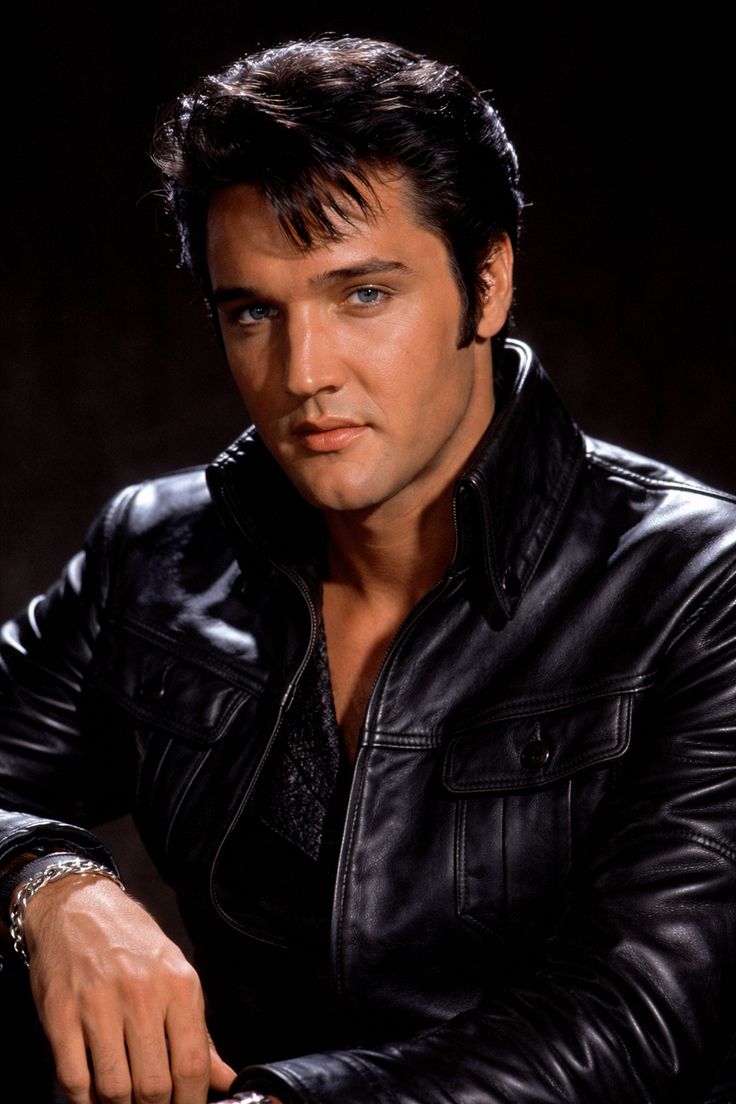
Introduction:
There are rare moments in music history when time seems to pause—when an artist doesn’t simply perform, but reshapes how they are remembered in real time. One such moment arrived in 1968, when Elvis Presley stepped back into the spotlight and delivered what would become the legendary Elvis (1968 TV Special).
This was not merely a television event. It was a cultural reset.
By the mid-1960s, Elvis remained one of the most recognizable figures in entertainment, yet his image had begun to drift. The rebellious force who had once ignited a musical revolution seemed to be fading into a safer, more controlled version of himself—anchored in Hollywood films, predictable scripts, and formulaic soundtracks. The danger, the unpredictability, the raw energy that once defined him had softened into something more distant.
And then, in one unforgettable night, everything changed.
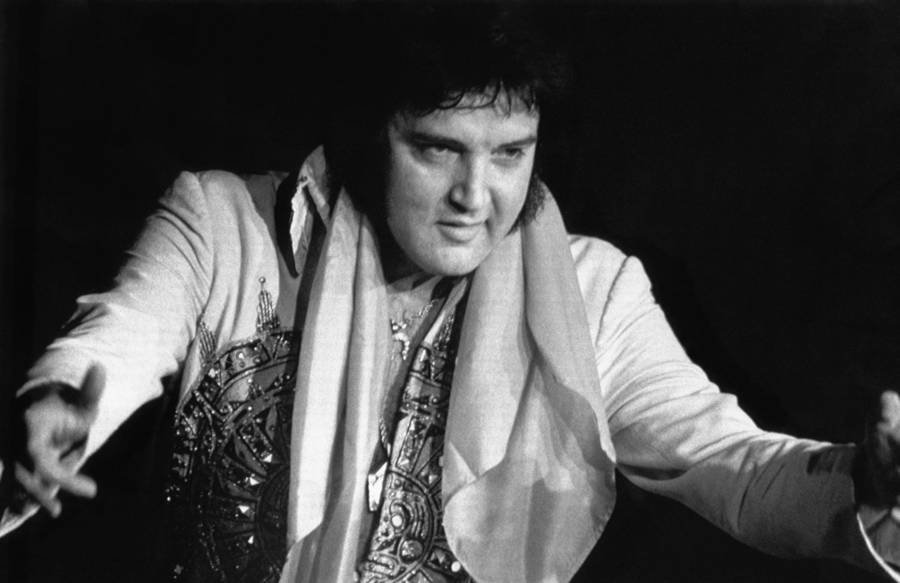
By the late 1960s, music itself had transformed. New genres were emerging, artists were experimenting fearlessly, and authenticity had become the defining currency of relevance. Against this backdrop, Elvis faced a quiet but pressing question: could he still matter—not as a legend of the past, but as a living, breathing force in the present?
The answer came with striking clarity.
From the moment he appeared in the special, the transformation was undeniable. Gone was the polished Hollywood persona. In its place stood an artist stripped down to his essence—focused, deliberate, and intensely real. The production embraced this shift, abandoning elaborate staging in favor of intimacy. The camera lingered on him, the space felt close, almost confrontational, as if he were performing directly to each viewer alone.
It was a risk. It paid off completely.
Perhaps most remarkable was his voice. Time had not diminished it—it had refined it. There was a deeper richness now, a maturity that gave every lyric greater emotional weight. Yet the urgency remained intact. He sang with control, precision, and instinct, blending experience with immediacy in a way that felt both reflective and alive.
It didn’t feel like he was revisiting old songs. It felt like he was rediscovering them—and inviting the audience to rediscover him in the process.
The now-iconic “sit-down” sessions became the emotional core of the special. Surrounded by musicians and friends, Elvis performed in an atmosphere that felt spontaneous and unguarded. There was laughter, looseness, and a sense of genuine connection. In those moments, it became clear that his relationship with music had never been about spectacle. It was about energy, chemistry, and shared experience.

And that energy had never left him.
To call this a “comeback” is almost too simple. A comeback suggests something lost and then regained. But what Elvis revealed that night was not a return—it was a reawakening. He didn’t chase trends or attempt to reinvent himself to fit a changing industry. Instead, he did something far more powerful: he returned to his foundation.
He reminded the world who he was.
Decades later, the significance of that performance still resonates—not because of nostalgia, but because of its authenticity. It stands as a testament to the idea that true artistry doesn’t disappear. It waits. And when given the right moment, it rises again with undeniable force.
In the end, Elvis Presley didn’t reclaim his crown that night.
He proved it had never left him.