
Introduction:
For the first time in a career that helped define modern pop harmony, Barry Gibb stepped onto the stage alone. There were no brothers beside him—no shared glance with Robin Gibb, no grounding presence of Maurice Gibb—only the quiet weight of memory and a lifetime of music. On a subdued evening at TD Garden in Boston, the last surviving member of the Bee Gees began his first-ever solo tour. It was not a grand spectacle, but something far more powerful: a deeply symbolic step forward. For Barry Gibb, this walk represented everything—because music has always been the language of his life.
Moments like this once seemed unimaginable. Even Barry himself has admitted that the idea of being the last Bee Gee felt distant, almost impossible. As children, he and his brothers believed in a shared destiny. From their early beginnings in Australia to global superstardom, that belief never wavered. Together, they created a sound that would echo across generations, producing 15 number-one hits and reshaping the landscape of popular music. Their work on the Saturday Night Fever soundtrack became a cultural phenomenon, dominating charts for months and selling over 40 million copies worldwide.
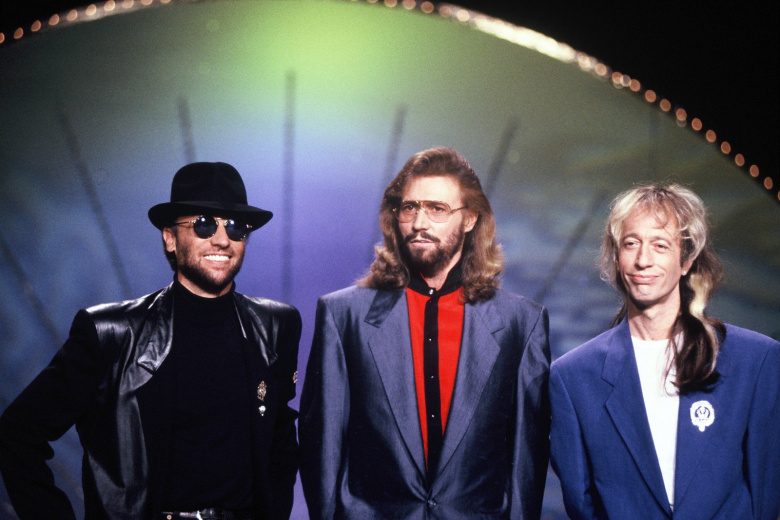
Yet behind the extraordinary success was a story marked by profound loss. Miami became both a creative sanctuary and a personal refuge for Barry, especially after he and his wife Linda Gibb settled there in the late 1970s. It was Linda who would later encourage him to return to music after years of silence. The sudden death of Maurice in 2003 at just 53 left Barry devastated, retreating inward as grief took hold. The family had already endured the earlier loss of their youngest brother, Andy Gibb, but Maurice’s passing fractured what remained of the Bee Gees. Barry and Robin, once inseparable, found themselves drifting apart, each processing loss in his own way.
A brief reunion in 2009 offered a glimpse of healing. Back in Barry’s Miami studio, the brothers revisited their timeless songs, their voices still intertwined with a rare and unmistakable magic. Yet even then, there was a quiet sense of foreboding. Barry sensed that Robin was unwell. Three years later, that fear became reality when Robin passed away after a battle with cancer. Before his death, Barry reminded him of a simple but powerful truth: their dream had already come true. There was nothing left to prove.
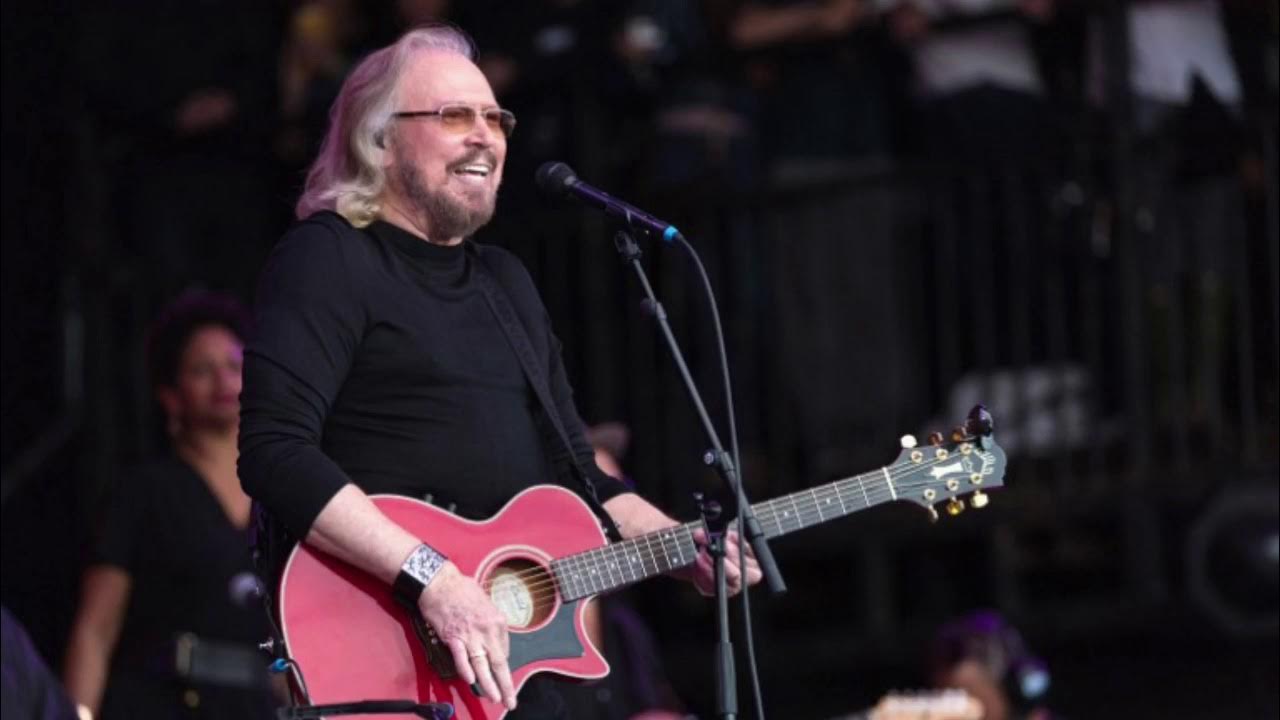
At 67, Barry Gibb faced a question that lingers for many artists: does the world still care? Encouraged by his family, he chose not to retreat, but to find the answer onstage. His solo tour became both a risk and a release—a deeply personal journey shaped by memory and resilience. Joined by his son Stephen Gibb and his niece Samantha Gibb, Barry transformed each performance into something intimate and profoundly human. When they sing How Can You Mend a Broken Heart, it is no longer just a song—it becomes a shared expression of grief, healing, and continuity across generations.
Though his voice remains unmistakable—his falsetto still soaring with clarity—what audiences witness today is something even more compelling: vulnerability. The loss of his brothers has reshaped him, revealing a deeper emotional openness that resonates with listeners. Onstage, when images of Robin and Maurice appear behind him, the absence is palpable. The pain never fully fades.
And yet, night after night, something remarkable happens. The audience remains. The connection endures. The walk may be solitary, but the journey is shared. For Barry Gibb, this chapter is not defined by endings, but by renewal—a quiet, powerful affirmation that while the band of brothers may be gone, their music, their legacy, and their meaning will live on.